
Winter may slow plant growth due to the cold, but it's the perfect time to prepare your garden for a spectacular spring. As seasoned horticulturists, we've helped countless gardens thrive through the seasons—here's how to care for yours effectively.
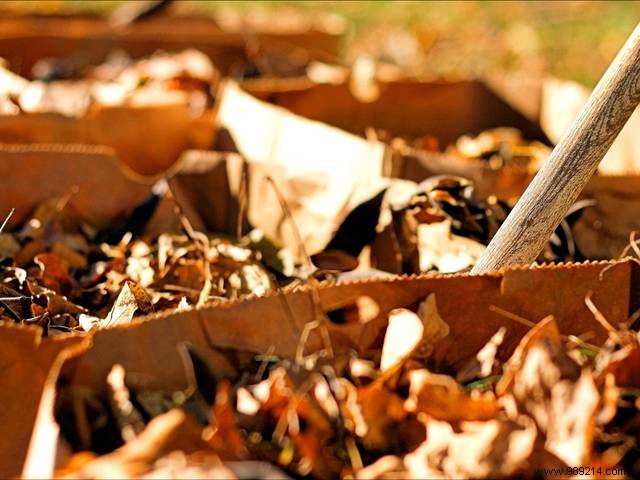
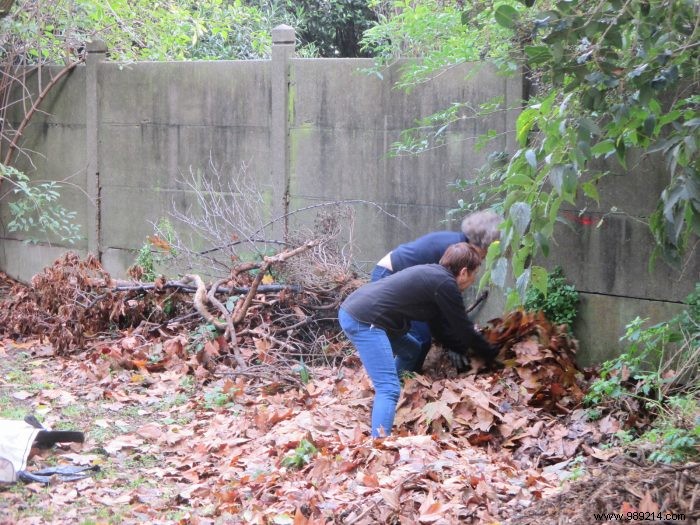
With trees bare, gather every fallen leaf to keep your garden tidy and prevent excess organic buildup on the soil surface. Rather than discarding or burning them, compost these leaves. Use non-waterlogged ones as mulch, balancing your compost with dry (brown) and fresh (green) materials for optimal decomposition.
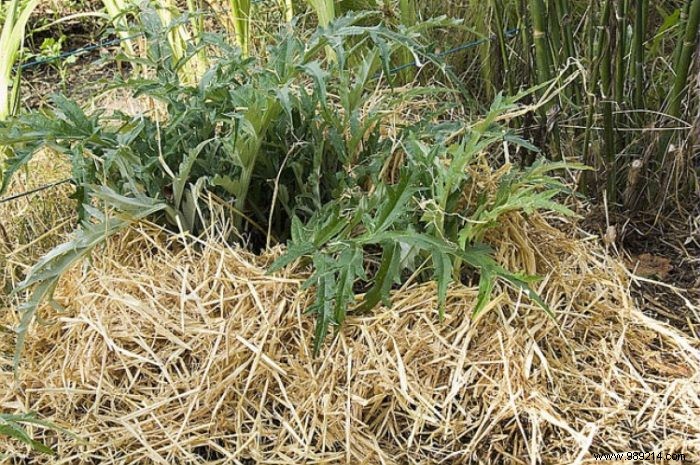
Mulch or surface compost is essential for shielding frost-sensitive plants, helping them retain soil warmth. Underground life persists despite the chill. Opt for bark, dried grass, or dead leaves. For extra protection, winter fleece or breathable thermal covers allow plants to respire while staying insulated.
Even without sowing, nurture your plants to ensure they survive. Dahlias finish their cycle now—lift them and replace with cold-hardy options like ferns, winter jasmine, pansies, irises, cyclamen, or Christmas roses. In vegetable gardens, remove damaged leaves promptly. You have plenty of resilient choices.
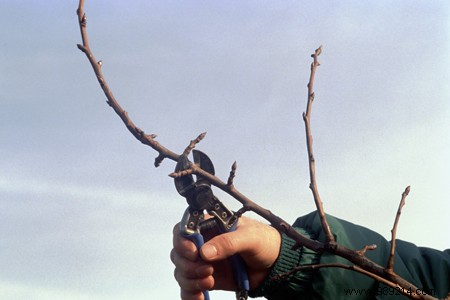
Post-autumn, prune stone fruit trees, other fruit trees, and perennials to boost spring fruiting and flowering. Never prune during frost. Apply preventive treatments to fruit trees for healthy growth ahead.
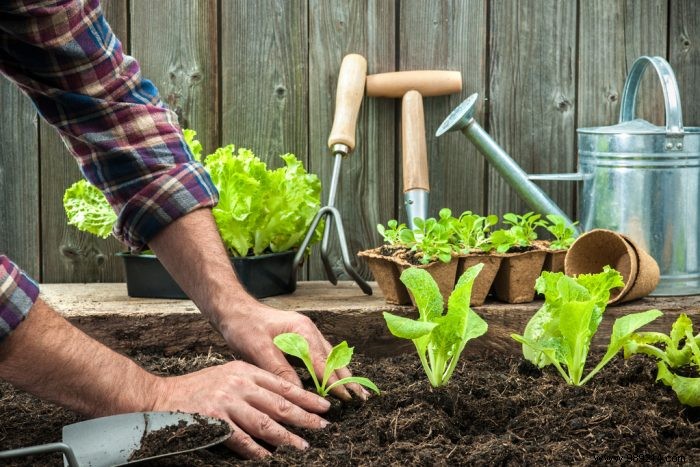
Winter is ideal for bare-root trees, shrubs, and container plants—the roots establish deeply without leaf evaporation stress. Plant ornamental and fruit trees like pears, apples, and berries. For veggies, choose lettuces, Jerusalem artichokes, leeks, parsnips, cabbage, and parsley (though its season is short). Succulents add winter flair, ferns bring vibrant hues, and fescue grasses provide volume. Bulbs such as daffodils, snowdrops, grape hyacinths, and hyacinths bloom in winter, alongside certain clematis varieties. Plan your next vegetable cycle now for bountiful rewards.
