Magnesium sulfate, commonly known as Epsom salt, is a gardener's trusted ally. This powerful, eco-friendly fertilizer delivers essential nutrients to houseplants, garden beds, and vegetable patches, promoting vibrant growth and abundant yields.
It's an economical way to create homemade organic fertilizer with proven results. Here are 10 key benefits and practical applications for your plants.

Magnesium sulfate provides sulfate and magnesium—two critical minerals for plant health. These nutrients support everything from cell development to photosynthesis.
They're also useful for baths or household cleaning. (Click here to learn about the uses of magnesium sulfate at home.)
Unlike many fertilizers, it doesn't accumulate in soil, making it safe for repeated use without risk.
Magnesium supports plants at every stage, from seed germination—where it strengthens cells and boosts mineral uptake—to photosynthesis, via chlorophyll production.
It enhances absorption of phosphorus and nitrogen, leading to bigger fruits and flowers. Experienced gardeners rely on it for larger harvests and stunning displays.
Sulfate, the mineral form of sulfur, aids chlorophyll production and amplifies the effects of phosphorus, nitrogen, and potassium.
Paired with magnesium, it acts like a multivitamin, improving overall plant health and nutrient efficiency.
Here's how to apply it effectively across your garden:

Start with houseplants or terrace pots for quick wins—expect more blooms and healthier foliage.
1. Dissolve 1 tablespoon in 2 liters of water.
2. Water plants monthly (or more—it's safe).
Natural salts build up in pots, blocking roots. Magnesium sulfate breaks them down, restoring vitality, especially after repotting. Pair with sunlight for best results. For container veggies, it boosts fruit production—ideal for small spaces.
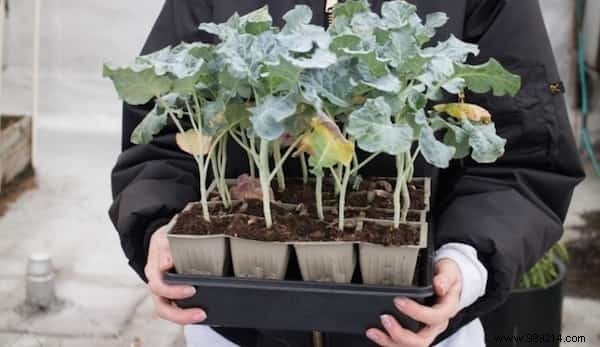
Enhance root establishment and nutrient uptake from the start.
1. Sprinkle up to 250 g per 10 m².
2. Mix into soil.
3. Plant seeds or seedlings.
It eases transplant shock for mature plants too.
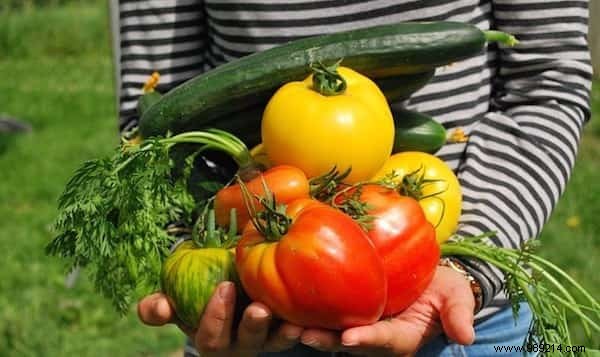
Revitalize existing plots or start new ones. Great for fruits, veggies, and herbs (except sage). Safe at all growth stages.
1. Mix 1 tablespoon per 4 liters water; spray post-planting, germination, or on enlarging produce. Wait 1 month for transplants.
Gardeners report lusher patches and superior yields.
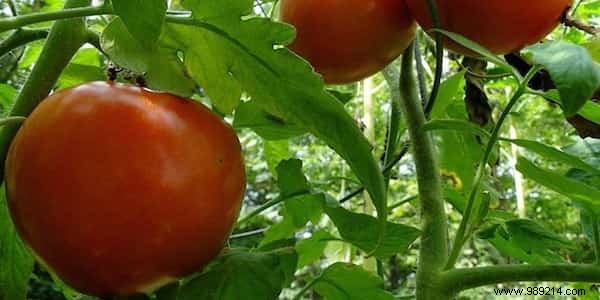
Combats late-season yellowing and low yields naturally.
1. Add 1-2 tablespoons per planting hole.
2. Mix 1 tablespoon per 30 cm plant height at base when mature.
3. Spray (1 tablespoon per 4 liters) every 15 days.
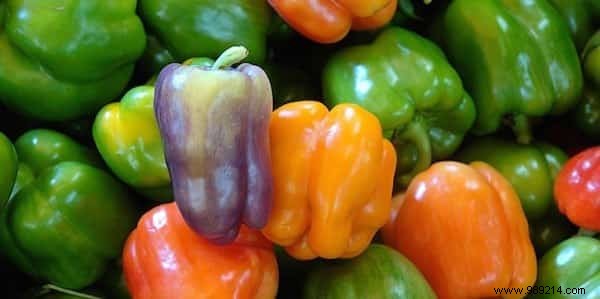
Prevents deficiencies for bigger harvests.
1. 1-2 tablespoons per planting hole.
2. Mix 1-2 tablespoons into soil twice weekly.
Studies and gardeners confirm larger peppers.
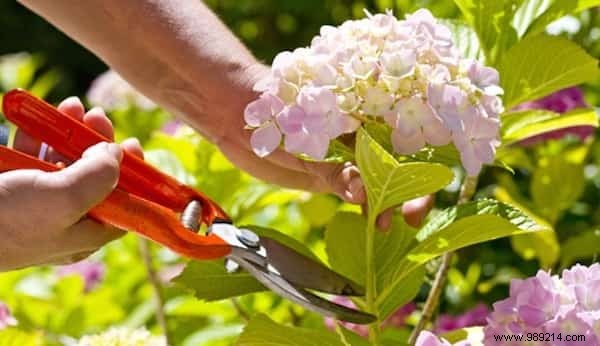
Vibrant, abundant blooms transform your garden.
1. 1-2 tablespoons per hole.
2-5. Spray (1 tablespoon per 4 liters) during growth, flowering; or add to watering can.

Lusher leaves, more stems and flowers.
1. Soak roots (1 teaspoon per 4 liters).
2-5. 1 tablespoon per hole, base, or spray; ½ tablespoon per bush early season.
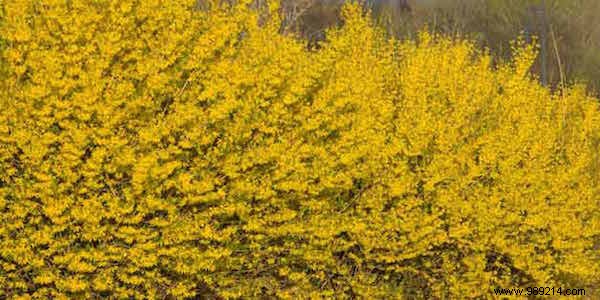
Ideal for evergreens like azaleas; greener foliage, better blooms.
1. 1 tablespoon per m² at base.
2. Every 2-4 weeks.
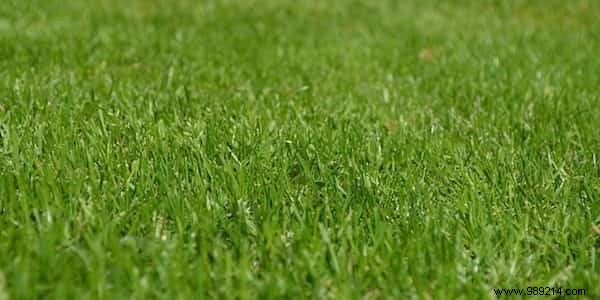
Greener, more resilient turf—fixes yellowing.
1-3. Spray solution: 1 kg per 100 m², etc.; dilute for tank sprayers.

Stronger roots, better nutrient uptake; boosts fruit trees.
1. 1 tablespoon per m² around roots.
2. 3-4 times yearly, pre-season changes.
Find magnesium sulfate, sprayers, and tank guns at garden centers like Gamm Vert, Truffaut, or Jardiland.
Recommended: magnesium sulphate, 5 l sprayer, spray gun with tank.
Share your magnesium sulfate garden tips in the comments!
