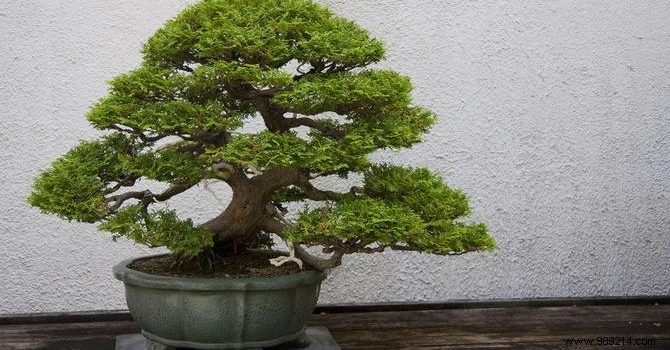
The bonsai, this miniature tree originating from Japan, captures the elegance of its full-sized counterparts in a compact form. While many trees thrive outdoors, bonsai—especially varieties like Ficus—adapt beautifully to indoor environments, making them ideal for homes and offices.
Among indoor bonsai options, the Ficus bonsai stands out as the most forgiving for beginners. It tolerates low humidity and common indoor challenges. Bonsai typically stay under 15 centimeters tall, fitting effortlessly into any space. Here's our proven guide to keeping yours healthy, drawing from years of hands-on cultivation.
Indoor bonsai care differs from standard houseplants due to their shallow pots, which restrict roots, nutrients, and water. They crave ample light and humidity—conditions we must replicate indoors.
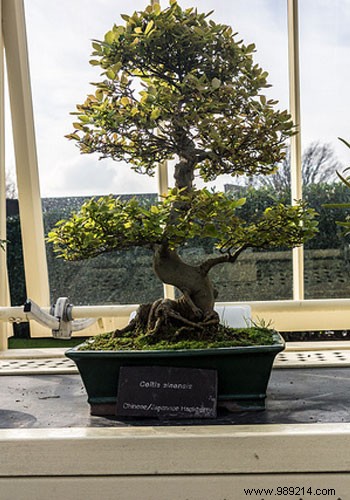
Tropical indoor bonsai need bright light to thrive. Indoor settings often fall short, slowing growth. Position yours near a south-facing window for best results. Supplement with grow lights, like horticultural bulbs or LEDs, for 10 hours daily if natural light is limited.
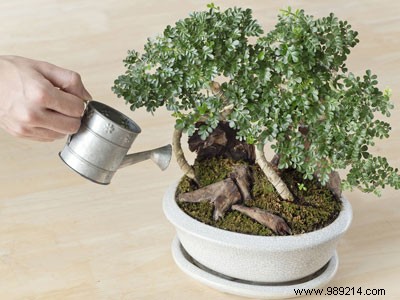
Bonsai flourish in higher humidity. Place the pot on a tray of pebbles and water to boost moisture around the roots. Improve air circulation by opening windows during the day, mimicking their natural habitat.
Avoid rigid schedules—water based on the plant's needs. Check the tag for guidance, but small pots dry out quickly, so monitor soil closely. Underwatering can kill a bonsai fast; aim for moist but not soggy soil.
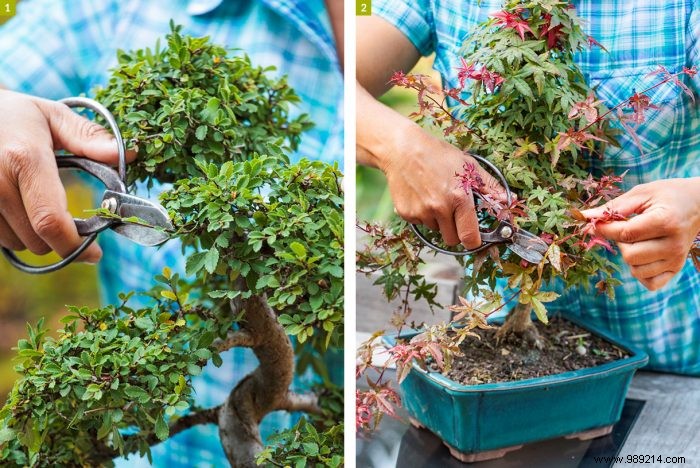
Regular pruning maintains the bonsai's miniature shape. Shorten overly long stems to encourage bushier growth, much like shaping a hedge. This selective trimming decides which branches to keep, promoting balanced development.

These plants prefer consistently warm conditions year-round. Subtropical species handle cooler indoor winters well, even below typical room temperatures, without stress.
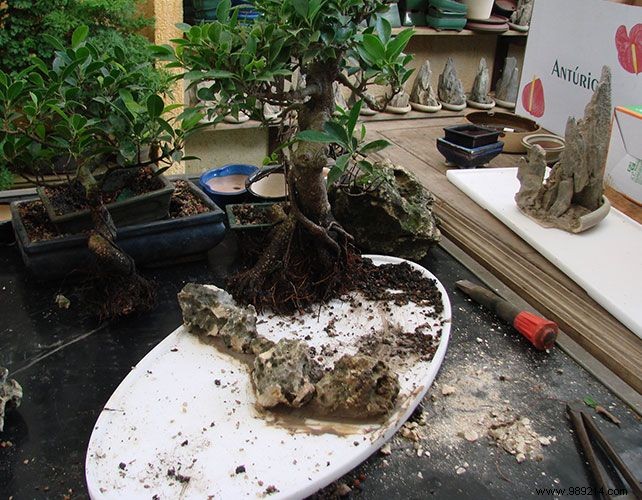
Refresh the soil regularly to sustain health. Though disruptive for potted plants, repotting replenishes nutrients and prevents root binding—essential for long-term bonsai vitality. Paradoxically, consistent pruning stimulates stronger growth.
