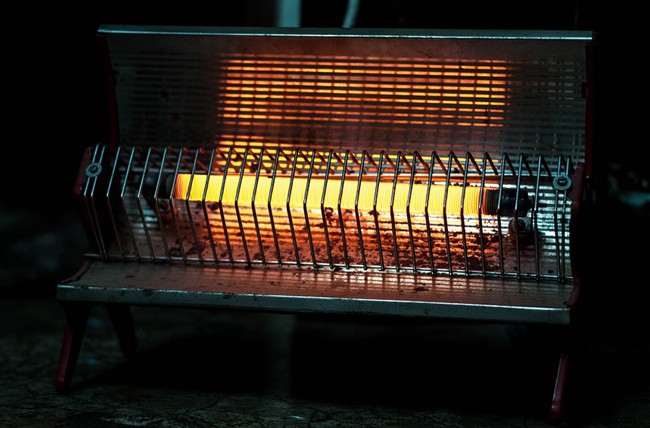
Designed for quick, targeted heating in specific areas, auxiliary heaters are ideal for off-season use, adjacent rooms, or homes with uneven central heating. With so many options available, selecting the best model can be challenging. As heating specialists with years of experience, we break down the types and key selection criteria to help you find the perfect fit.
Auxiliary heaters complement central systems during early autumn chills or late winter thaws, providing efficient warmth without permanent installations in spaces like workshops, garages, laundry rooms, mezzanines, or guest rooms.
Gas models, fueled by propane or butane, deliver powerful heat for reliable comfort. Available as infrared, catalytic, or brazier styles, they excel in performance but can be bulky and less visually appealing.
Electric options stand out for their portability, precision temperature control (down to the degree), and ease of use. Popular varieties include convectors, ceramic radiators, fan heaters, electric fireplaces, and radiant panels.
Oil heaters offer economical, autonomous operation for up to 48 hours with strong heat output for entire rooms. Models like electronic or wick stoves provide steady warmth, though some may emit a mild oil odor during startup.
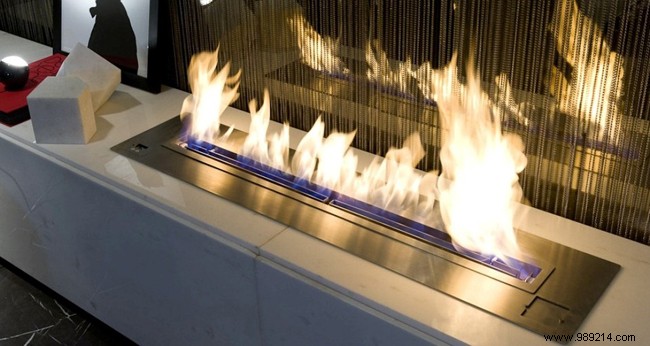
Bioethanol heaters blend high performance with sleek design, making them a modern choice. Ensure excellent ventilation in your space for safe use.
Prioritize power output matched to your room size—aim for 100 watts per square meter for optimal comfort. Look for models with variable heat settings to fine-tune based on the space.
Tailor your choice to needs: opt for oil or gas in large, ventilated areas; fan-assisted electrics for quick bathroom warm-ups; avoid wick kerosene or bioethanol if small children are present. Electric fireplaces add cozy ambiance to living rooms or bedrooms.
