Comfort and energy efficiency in your home start with selecting the right heating system. With so many options on the market, choosing wisely can be challenging. As heating specialists with extensive experience advising homeowners across France, we've outlined key considerations to help you decide.
Electric heating tops the list in France, especially in apartments. Its popularity stems from simple, affordable installation—no pipes or ducts required. Maintenance is straightforward, typically just dusting. It's perfect for extensions, as radiators install anywhere and deliver strong performance.
The downside? It's costly to run—20-25% more than gas. Best for small spaces like studios or as supplemental heat. For an 80 m² area with 3 radiators, expect 4000-6000 euros upfront. Annual costs, including consumption, maintenance, and subscription, range from 1500-2500 euros.
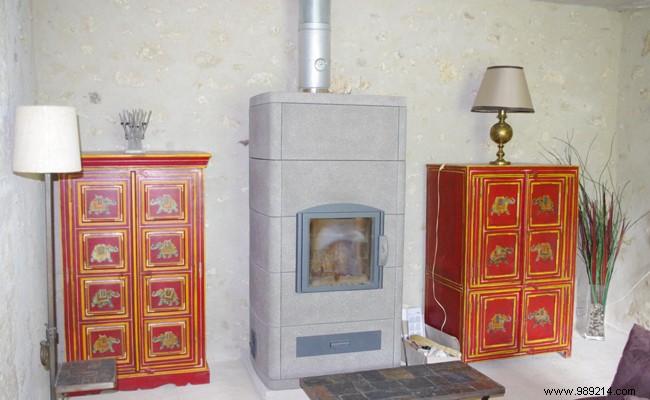
Combustion options abound, with wood heating standing out as eco-friendly and budget-savvy. Modern wood boilers and stoves integrate seamlessly into central systems, moving beyond backup roles. You'll qualify for a 30% tax credit, plus other subsidies. Fuel choices include logs, chips, reconstituted logs, or pellets—all cheaper than oil or gas. Installation for a wood heater runs 1000-4000 euros.
Gas heating shines with efficient condensing or low-temperature boilers, outperforming older models while saving energy and earning tax credits. However, gas prices track oil and keep climbing.
Oil boilers are fading fast due to soaring fuel costs, despite reliable heating. Usage drops yearly for good reason.
Prioritizing sustainability? Renewable systems align with energy-saving goals and environmental needs. France offers generous incentives like the Energy Bonus, Tax Credit, zero-rate eco-loans, and ANAH grants for solar thermal or heat pumps.
Solar thermal heating is free post-installation (beyond minor maintenance), making it a green leader. Initial equipment costs pay off long-term, though it needs a backup for full coverage.
Heat pumps—geothermal or air-source—pull ambient heat from outside, operating independently without fuel storage. They heat quickly and efficiently, but installation is pricey and complex.
Effective heat spread relies on quality emitters. Radiators are time-tested: easy to control, fast-heating, and affordable at around 2000 euros for a 100 m² home.
Underfloor, ceiling, or wall systems offer even warmth across large areas, justifying higher upfront costs with superior comfort.
