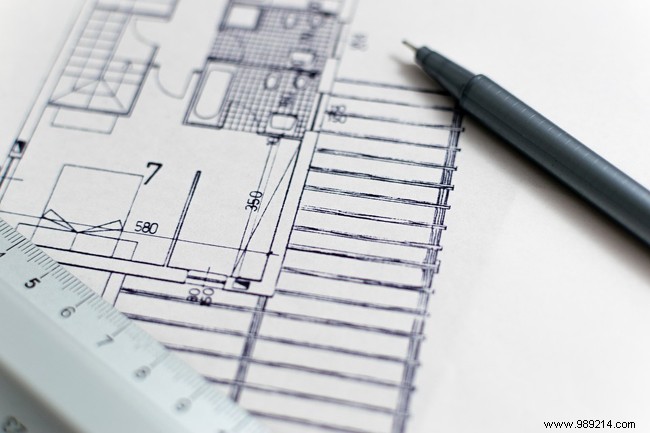
Expanding your home by adding space through an extension is a smart way to accommodate a growing family or enhance everyday comfort. Whether it's a new family member or simply more living area, a well-planned extension can transform your property.
Options vary based on your home's current structure—elevating to add a floor or building out new rooms are common choices. As experienced renovation experts, we'll outline the key steps and costs to guide you through this process effectively.
Start by understanding local regulations, as they differ by extension type and size. Some projects need a full building permit, while others require only a prior declaration of works.
A building permit is mandatory for extensions exceeding 20 m²—or 40 m² in urban zones or if the total living area reaches about 170 m².
A prior declaration suffices for extensions over 5 m² but under 40 m² in urban areas with a total dwelling surface around 170 m². Always secure administrative approval to prevent legal issues down the line.
Engage a qualified professional for your extension project—it's complex work beyond DIY capabilities, ensuring structural integrity and compliance.
Costs depend on the method and materials. For elevation extensions—raising the structure to add floors—expect foundation reinforcements. A full elevation with development and roof extension ranges from 900 to 2000 € per m², depending on specifics.
Converting an attic into usable space is cost-effective if the structure allows it, typically 500 to 1500 € per m² for redevelopment.
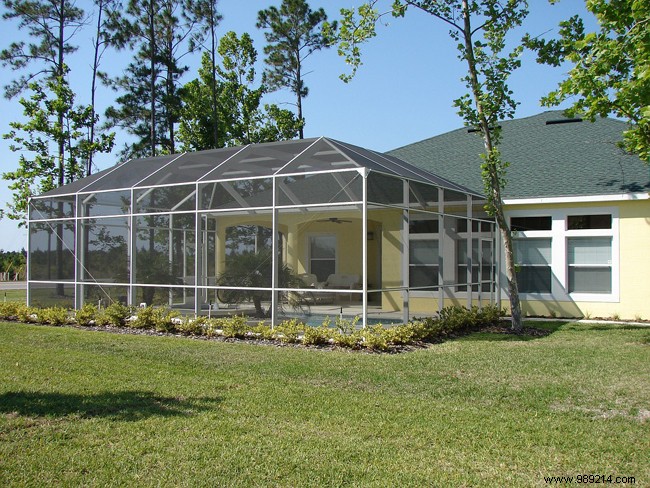
Side extensions or verandas offer quick volume gains. Veranda prices hinge on materials: 500 to 2500 € per m² overall, with glass/steel at around 2000 € per m² and wood at about 1000 € per m².
Factor in ongoing expenses like property taxes and utilities—electricity, heating, and water—for the new area.
