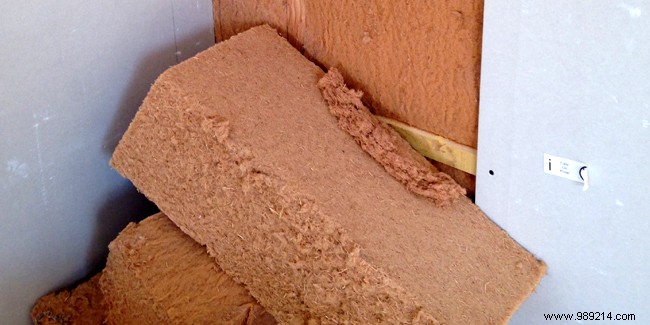
Insulating an old house is crucial for boosting thermal and acoustic comfort, slashing energy bills, and reducing environmental impact. You can choose interior or exterior insulation depending on your needs. Each method addresses specific challenges while enhancing drawbacks and protecting the building's aesthetic and architectural charm. Here's a comprehensive overview from experienced renovation professionals.
Interior insulation is ideal when preserving the stunning beauty of stone walls is a priority. Despite their thickness, these walls in older homes struggle with temperature swings more than you might expect. Stone alone doesn't provide adequate protection from extreme heat or cold.
Uninsulated old homes often suffer major heat loss and condensation issues, leading to mold that poses health risks like allergies. This creates ecological, economic, and health challenges—families resort to constant heating or air conditioning, inflating costs and harming the planet. Stone walls act as thermal bridges, so insulation is non-negotiable.
Yet, concealing the building's charm behind insulation could diminish its value. Interior insulation strikes the perfect balance, offering these key benefits:
For interior thermal insulation (ITI), consider these proven materials:
Complement wall insulation with professional advice on ceiling and roof insulation. Add controlled mechanical ventilation (CMV) for optimal results. Upgrading to double-glazed windows further enhances performance. A fully insulated vintage home can rival modern low-energy buildings (BBC standards).
Exterior techniques suit older structures when you want to retain interior charm. They're perfect for:
Professionals recommend an insulating 'coat' over walls and roof, which can refresh the facade. Note: this alters the original look by smoothing the structure. Effective options include:
Exterior insulation costs 100-130 €/M² (materials and labor incl. tax), quoted precisely after project details.
Whether interior or exterior, insulation dramatically cuts heating/cooling costs and elevates family comfort. Always address capillary rise first—a detail pros spot immediately.
Entrust your project to specialists like Acorus for a tailored quote and expert guidance on the best fit. This is essential even for pre-purchase cost calculations to ensure a sound investment.
Owners qualify for energy-saving aids via RGE-certified pros (Recognized Environmental Guarantor), including CITE tax credit, zero-rate eco-loans (combinable), and reduced VAT. With grants and long-term savings, it's a smart, profitable move. Well-insulated historic homes sell faster and fetch higher prices while retaining their original allure.
