Asbestos, a fibrous mineral once prized for its properties, poses severe health risks. Banned in 1997 after widespread use, it lingers in older household items like hair dryers, toasters, stoves, and fireplaces.
Homes built before 1997 often contain asbestos, valued then for its superior thermal and acoustic insulation, fire resistance, and affordability. If you suspect its presence, consult a certified expert immediately for peace of mind.
Affordable and versatile, asbestos featured in construction materials like false ceilings, glues, putties, pipes, and flooring.
Its ultra-fine fibers easily infiltrate lung alveoli, resisting natural defenses and causing grave illnesses such as respiratory failure, pulmonary fibrosis, and lung cancer.
Prolonged occupational exposure in plumbing, heating, or carpentry trades heightens risks most. For residents, dangers stem from degrading materials in pre-1997 homes.
Asbestos also contaminates fabrics like oven mitts, tablecloths, and ironing board covers, releasing fibers when handled. Discard worn old appliances without delay.
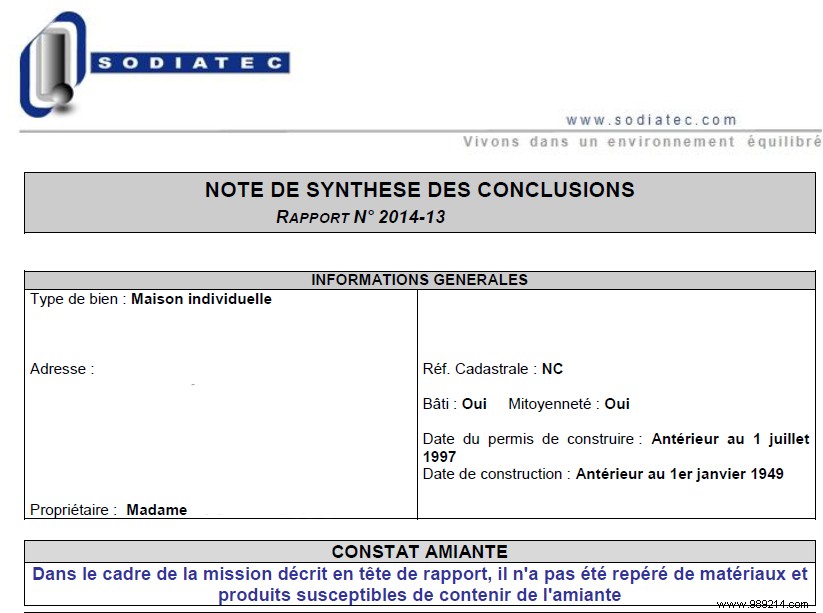
Suspect asbestos? Engage a certified expert for a thorough diagnosis to assess fiber release risks and necessary abatement. Purchasing a pre-1997 home mandates an asbestos report from a Cofrac-accredited professional.
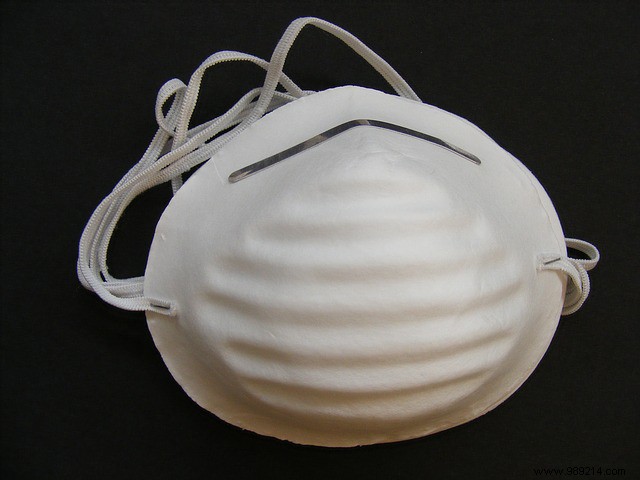
For small-scale asbestos cement removal, proceed cautiously: don your mask and gloves, wet surfaces to minimize dust, wipe with cloths (no vacuuming), seal waste—including PPE—in labeled "asbestos" bags, and transport to authorized recycling centers, not household trash.
Structural work demands licensed pros to comply with rigorous safety standards.
