Constructing a home to professional standards is a dream for many, but mastering the key steps sets successful projects apart. Drawing from years of industry expertise, this guide outlines the process to ensure a smooth build.
The foundation of any great home starts with site selection—crucial if you don't already own land. Location directly impacts daily comfort, from nearby schools and workplaces to shops and public transport. It also influences resale value.
Opt for a plot in a housing estate or secluded spot that fits your budget and vision. Always verify constructibility with the local town hall's planning department. If utilities need connection, budget 5,000 to 15,000 euros.
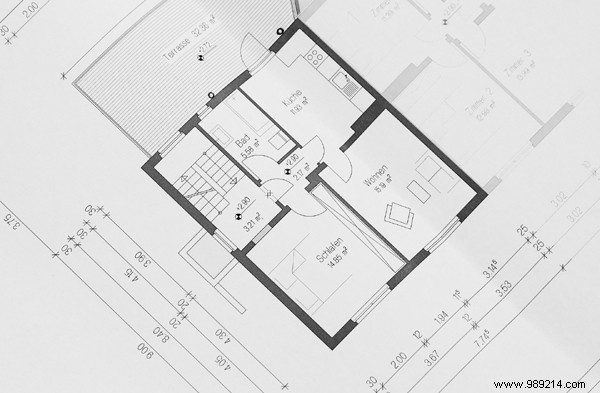
While not required for homes under 170m², engaging an architect is highly recommended. These experts optimize room layouts, ensure compliance with modern building standards, and deliver precise plans. For cost savings, consider manufacturers' catalog models.
Every house build requires a permit from your local town hall. Without a builder handling it, compile essentials: a project notice describing the land and plans, site location plan, cross-section of land and build, and detailed construction drawings.
Most owners finance via bank mortgages or loans, but contribute at least 10% of the budget upfront. Keep debt ratios under 33%. Shop around for the best rates and terms before committing.
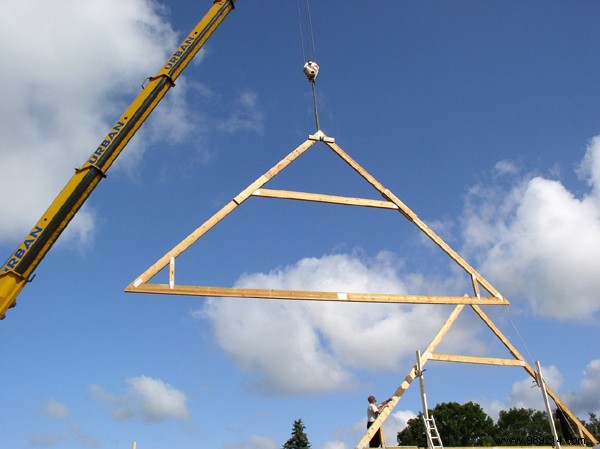
Reputable builders, ideally union-affiliated with strong regional reviews, are the go-to choice. Sign a detailed contract covering house specs, costs, and delivery timeline.
Alternatives include a project manager for oversight or self-build, coordinating trades yourself.
Don't overlook frequent site visits—they confirm work quality, timeline adherence, and early issue detection. Regular check-ins with your builder, manager, or trades prevent costly surprises.
Upon completion and key handover, hire an independent expert to identify defects for prompt fixes. Post-acceptance, activate the manufacturer's ten-year guarantee and secure property insurance.
