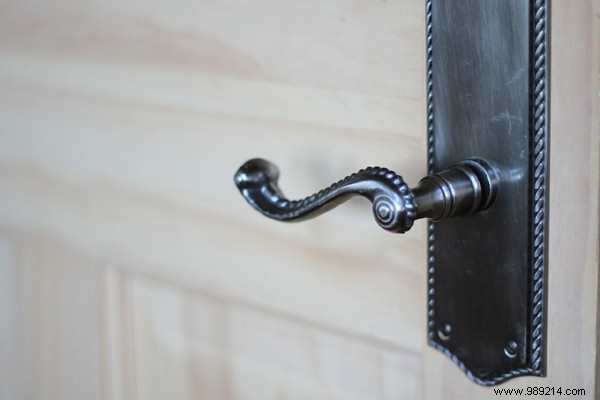
Door handles serve both practical and aesthetic purposes, enhancing your interior and exterior doors while complementing your home's decor style. Proper installation ensures they function reliably for years.
Start by considering the door's location—bedroom, kitchen, or entryway—as this influences your choice.
Distinguish between interior and exterior handles. For outdoor doors, opt for durable models resistant to cold, humidity, and heat, prioritizing security and robustness.
Next, choose the style: crutch (lever) or knob (button). Crutch handles are elongated and popular in modern homes. Knob handles suit traditional interiors and older doors, turning sideways to open or lock. For added security, select models with cylinder locks; non-locking doors don't require them.
For privacy in bathrooms or toilets, choose handles with a locking button. Materials vary widely—wood, brass, aluminum, stainless steel, glass, or porcelain—with finishes like matte, brushed, chrome, polished, or glossy to match your style.
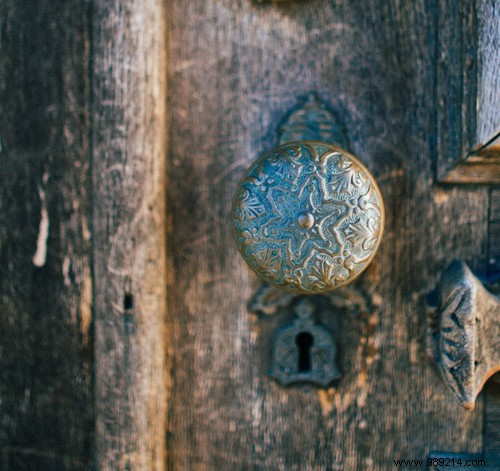
When purchasing, match the center distance of your old handle—19.5 cm is most common, though some are 16.5 cm—to avoid redrilling. Ensure the lock and square dimensions align.
Remove the old handle first to check specs. Older models have a central pin through the handle and square; simply pull it out. Newer ones unscrew via visible axes.
For installation, slide the new handle onto the square. If center distances differ, drill new holes perpendicular to the door using a drill.
