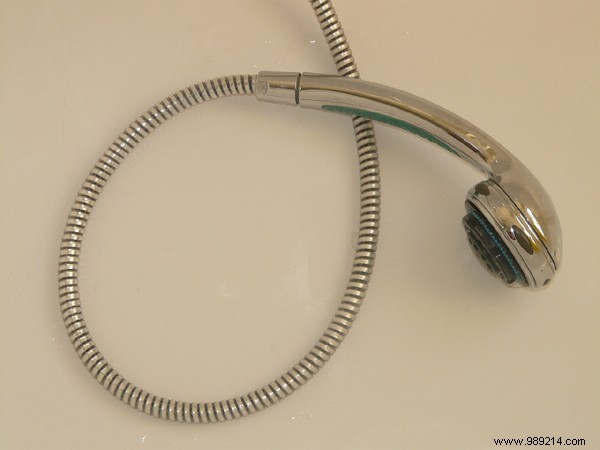
As experienced plumbers, we know the shower hose is a vital part of your faucet system, channeling water from the tap to the showerhead. Over time, it can kink, crack, or leak, reducing flow and causing water waste. Replacing it restores strong pressure and prevents drips—a quick DIY fix most homeowners can handle.
Shower hoses vary by material and construction for different needs. The basic PVC model is a simple, flexible pipe that's hygienic, easy to clean, and budget-friendly. However, it may wear faster under heavy use.
For added durability, opt for reinforced PVC hoses braided with metal wires—antibacterial and highly resistant to kinks. Another option is smooth PVC reinforced with nylon for smooth flexibility.
Premium metal hoses, made from stainless steel or brass, offer superior longevity. Look for single or double interlock braiding; the double interlock version provides exceptional flexibility and strength, ideal for long-term reliability.
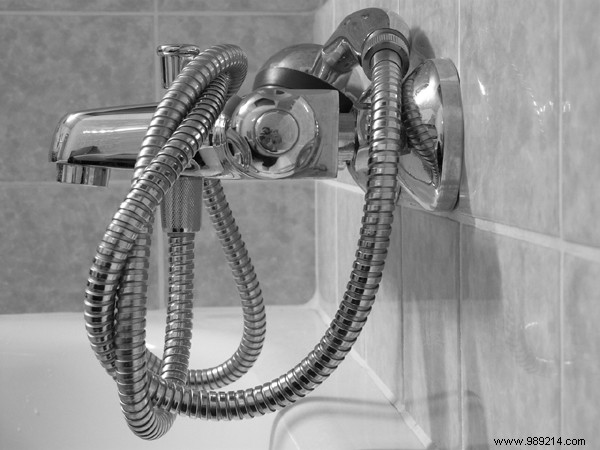
Choose based on your budget and space, but always prioritize quality—measure the length first, as sizes vary. Investing slightly more ensures years of leak-free performance.
To install: Shut off the water. Use an adjustable wrench or pump pliers to unscrew both ends. For stubborn limescale, soak in white vinegar to dissolve buildup. Insert the new gasket into the hose base, then hand-tighten the connections before using the wrench—avoid over-tightening to prevent damage. Turn water on and test for leaks.
