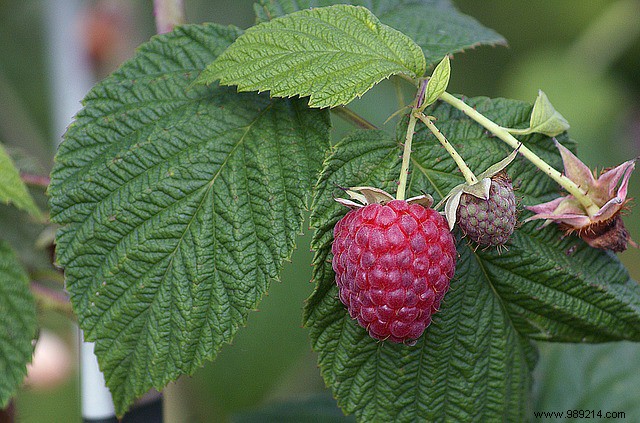
Raspberry bushes are straightforward to plant and can create a productive hedge when sited correctly (refer to the raspberry culture sheet). Select varieties suited to your soil, maintenance routine, and desired garden look.
As these shrubs sucker vigorously with somewhat thorny canes, plan for appropriate sizing in your space. Cold-hardy, they thrive across diverse climates.
With low-maintenance appeal and delectable fruits, raspberries are ideal for home gardens—just follow proven practices for success.
Choose from two main types: non-remontant varieties that fruit in June and July on last year's canes, or remontant ones that produce in July and again in September. Pruning varies by type.
Available bare-root, potted, or in containers, they're trickier in pots due to suckering. For best results, plant in autumn into light, cool soil to encourage rooting—avoid frost periods for stronger next-year yields. Sun exposure boosts fruit quantity and sweetness. Trellising optimizes growth, pruning, and production.
Plant in rows with a wire frame forming two parallel lines, 1m apart and 60cm off the ground. This simplifies maintenance: tie canes, prune spent ones in winter, and train new growth.
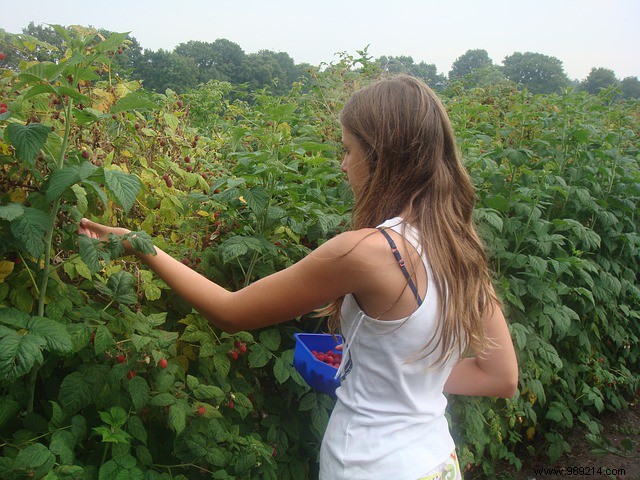
Fertilize with compost at the base in autumn and spring; trellis new shoots regularly.
Water deeply in summer, especially during fruit swell and ripening—drought stresses them. Protect against pests like aphids (which curl and discolor leaves) and raspberry worms (from beetles laying eggs in flowers). Plant forget-me-nots at the base to deter worms naturally.
Skip chemical insecticides and fungicides to keep fruits safe and chemical-free!
