As winter approaches, it's crucial to harvest delicate vegetables from your garden before the first frosts arrive. With years of hands-on gardening experience, I've learned which crops to prioritize for the best flavor and storage. Here's a guide to the key ones.
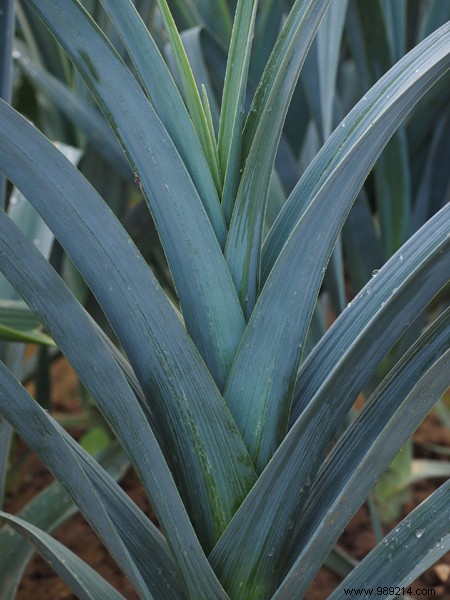
Harvest winter leeks about five months after transplanting, typically by year's end. Use a digging fork next to the plant to gently lift it, removing the roots. Leeks are remarkably hardy and can withstand light frosts.
If the soil is frozen solid, pour a foot of lukewarm water to soften it. Wait until leaves are fully developed before harvesting, but act quickly if leek moths are present—consider freezing for preservation.
Pull carrots 4 to 6 months after sowing, depending on the variety. Use a spade fork to extract them with their tops intact. For best results, harvest on a sunny autumn day to dry clinging soil.
This protects them from frost damage. Store in crates of dry sand for long-term freshness through winter.
Harvest beets from August to November—they're frost-sensitive and need prompt attention. Create a silo like for carrots or store in a cool cellar. Properly protected, they'll stay fresh until spring.
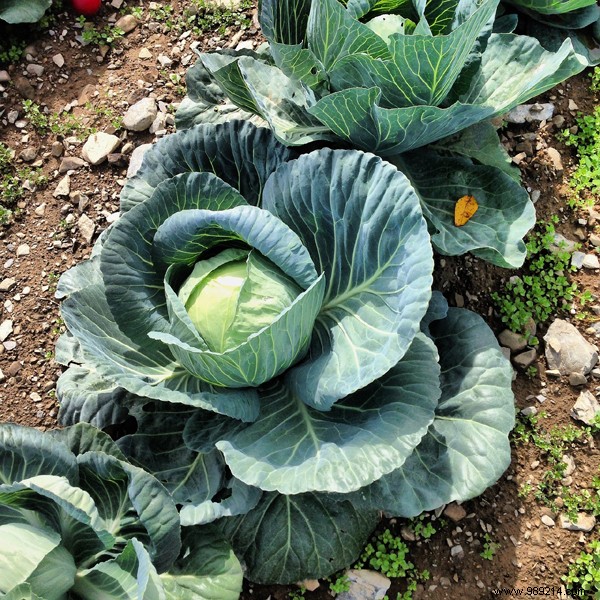
From green cabbage and cauliflower to Brussels sprouts, these varieties offer diverse flavors and uses. Many tolerate winter frosts well. Sow between April and May, harvesting from September onward for continuous supply.
A winter salad favorite, lamb's lettuce delivers tender leaves with subtle flavor. Sow in August; it's highly cold-resistant, though harvesting requires care to avoid damage.
Begin harvesting this low-calorie powerhouse from November. Packed with vitamin C and fiber, its leaves cook like spinach for quiches or stuffings. Ribs can be braised, boiled, or steamed.
