As seasoned gardeners know, composting transforms household waste into black gold for your garden. It slashes waste, supports recycling, and nurtures the planet while fueling bountiful vegetable harvests.
Creating your own compost shines if you have garden space—a yard works perfectly, though balconies may suit vermicomposting better. For vegetable patches or flower beds, it outperforms chemical fertilizers, cuts costs, and delivers proven results from real-world use.
Fully natural and risk-free, compost appeals to organic enthusiasts. Skip store-bought fertilizers; homemade versions match their efficacy, and anyone can master the process with basic know-how.
Start by designating a spot away from the house to minimize any maturing odors, yet close enough for convenience when adding greens.
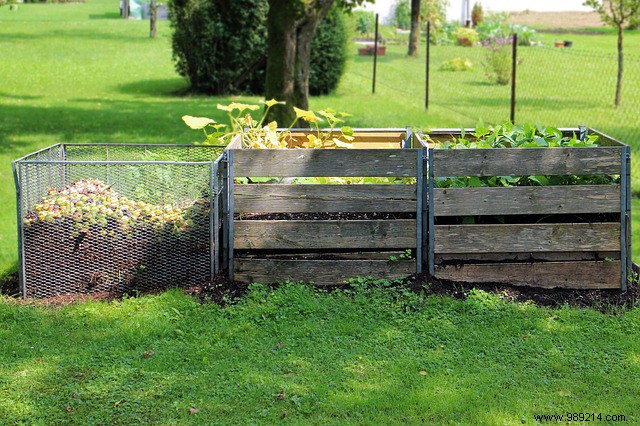
Invest in a reliable composter: opt for a wooden bin or a commercial model from garden specialists. Dual units allow easy mixing, or select one with a base door to access mature compost below.
Fill it with veggie peels, eggshells, plain paper, garden trimmings, and leaves. For optimal breakdown, layer wet (greens) and dry (browns) materials. Add daily after meals or mornings—stir weekly for even decomposition.
Expect 2-6 months for maturity, varying by volume and climate. Aerate regularly so microbes thrive, and maintain sponge-like moisture by feel.
Avoid non-biodegradables like glass, fabrics, glossy paper, or synthetics—microbes can't process them. Chop large items with a shredder to speed things up.
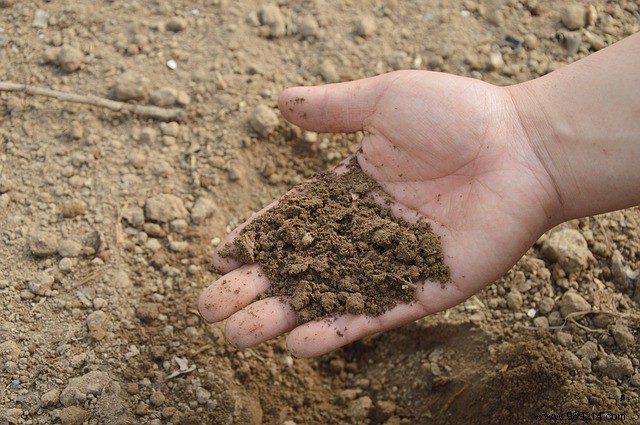
Ready compost is dark, earthy-smelling, and crumbly. Blend it into soil to supercharge plant growth.
