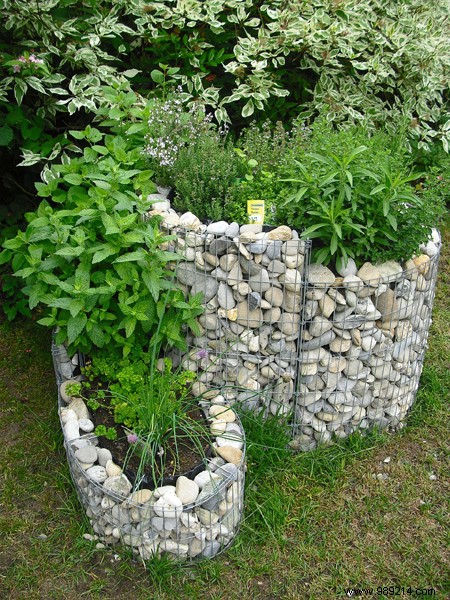
Aromatic herbs elevate salads and summer dishes with their signature flavors while providing proven health benefits in cooking and medicine. As seasoned gardeners, we've cultivated these essentials in vegetable gardens for years—here's our trusted guide to the top performers.
Chives produce slender, upright stems with a mild garlic scent when snipped. They're indispensable for green salads, omelets, or fresh cream sauces pairing perfectly with cold cuts or asparagus. Harvest regularly to prevent seeding and exhaustion. These perennials thrive for 4-5 years, regrowing after winter frosts. Divide bulb clumps to propagate. Related options include cives and spring onions.
Renowned for its intoxicating aroma, basil is a summer kitchen staple, especially with tomato-mozzarella dishes. It's straightforward to grow: plant in April after frost risks pass, in sunny, warm spots sheltered from drafts. Opt for cool, light, fertile soil, spacing plants 25-30 cm apart.
Reaching 20-30 cm, thyme imparts a subtle fragrance to saucy dishes and boasts strong medicinal virtues, including antiseptic and disinfectant properties. A sun-loving Provençal native, it excels in calcareous soils amended with sand. Plant in April; it's frost-resistant and long-lived—prune to encourage fresh growth. Varieties abound, from wild thyme to lemon thyme.
This evergreen Mediterranean shrub offers rustic charm and thrives on acidic, calcareous, well-drained soils. Avoid excess moisture; it tolerates sun, drought, and pairs well with parsley, broccoli, cabbage, peas, turnips, or beans. Its bushy form adds structure among herbs. Propagate by layering. Ideal for roasting chicken, saucy meats, fish, or grilled fare.
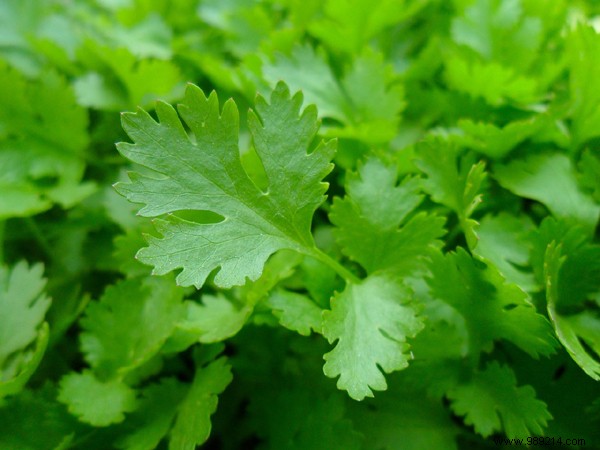
Parsley is a kitchen cornerstone, from everyday garnishes to Lebanese tabbouleh. Choose curly or flat-leaf varieties—the latter offers bolder flavor and height. It handles full sun or light shade. Sow seeds patiently (germination may take a month; soak overnight in warm water to hasten it). Thrives in pots too.
Dill is fish's perfect partner, with edible seeds and fresh or dried leaves. It favors rich, well-drained, cool soils in sunny, wind-sheltered spots. Avoid drought or heat waves, which prompt premature seeding. Plant post-frost in spring for open-ground success.
Also known as Chinese parsley, this Near Eastern, Asian, and southern European native shines in Indian, Oriental, and Asian recipes. Celebrated for aphrodisiac and muscle-relaxing properties, it prefers friable, humus-rich, light soils in sunny, wind-protected areas. Companions include potatoes, onions, cabbage, and anise—avoid fennel.
Don't overlook mint, sage, bay leaf, tarragon, oregano, savory, or chervil for even more variety.
