If you missed the previous episodes:
Following our exploration of biodiversity in part one, we're now focusing on fertilization. As seasoned gardeners know, well-nourished plants are resilient against pests and diseases. Healthy feeding and adequate water are key factors in building that strength.
Pests target the weakest plants first. While not the only cause, proper nutrition plays a vital role. Fertilization must be tailored to plant varieties, seasons, soil types, and more—no one-size-fits-all solutions exist. However, proven principles can guide you effectively.
Fertilization should be ongoing and timed right: use fall formulas for root development and others during growth or fruiting. Always check packaging for usage, timing, dosage, and frequency. The golden rule? Trust nature with organic and mineral fertilizers, skipping synthetic chemicals. Soil dwellers like worms, insects, and microbes break them down into plant-available forms, creating living soil rich in humus. As philosopher-farmer Pierre Rabhi often notes, "humus," "human," and "humility" share the same roots—grounded in the earth.
Supplying organic matter (from living sources) gradually nourishes the soil ecosystem. Microbes transform it step by step, stocking the 'pantry' for plants to draw from as needed. Avoid 'doping' plants with excess—it weakens them and attracts hungry pests. Even natural fertilizers can harm if overdone—moderation is essential.
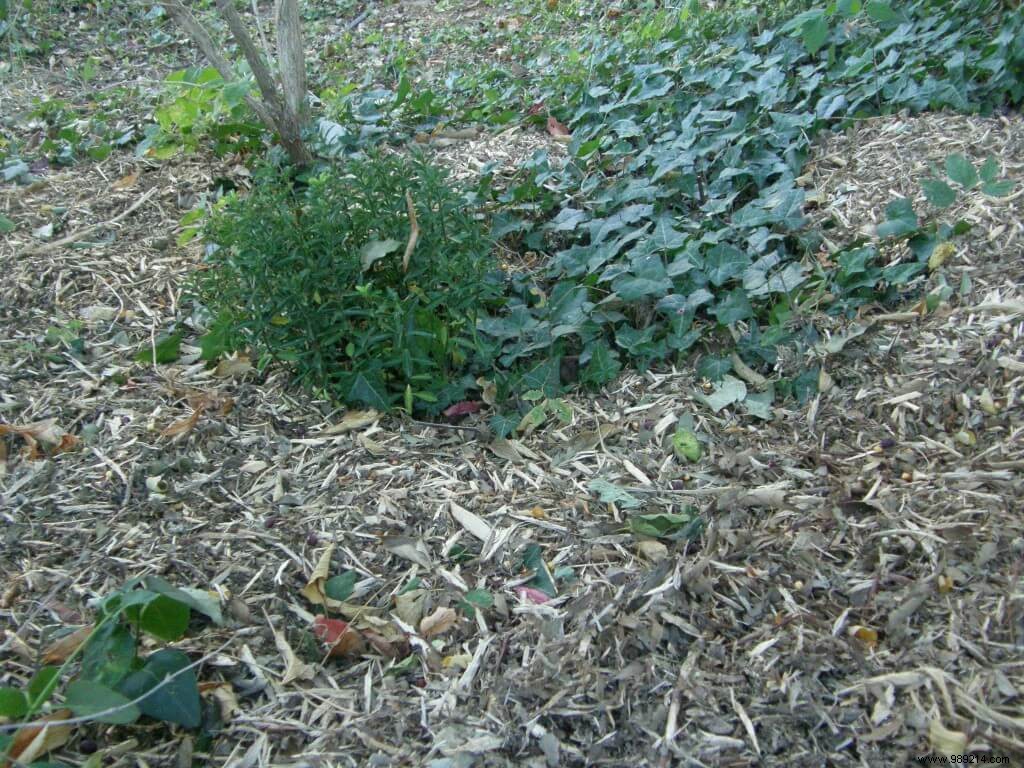
Mulching: A natural boost for soil fertilization
For soil organisms to process fertilizers effectively, they need protection. Mulching acts as a blanket, shielding them from extreme cold, heat, drought, and heavy rain. These unsung heroes deserve our support for their tireless work.
With organic fertilization and mulching in place, monitor watering closely. Opt for mornings in hot weather, using room-temperature rainwater. Skip evenings—wet leaves overnight invite fungal pathogens thriving in humidity. Morning watering lets foliage dry quickly, and generous amounts sustain plants for days.
To be continued…
