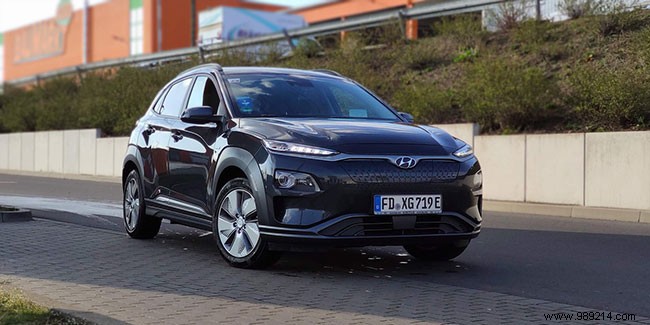
Electric vehicles deliver undeniable benefits—practicality, cost savings, and eco-friendliness—driving their surge in popularity among French drivers. As the new standard in mobility, owning one requires thoughtful home preparation, particularly installing a reliable charging point.
When purchasing an electric car, prioritize a seamless home charging setup to recharge quickly and access full range. While public stations are expanding, they serve best as backups due to availability and location issues. For convenience, install a dedicated home solution. Options include the standard outlet—no upgrades needed, compatible with all EVs, but risky and slow (up to 24+ hours).
For safer charging, opt for the reinforced outlet with built-in protections against short circuits. Still, its power falls short. Most manufacturers endorse the wallbox charging station (3.7–22 kW output)—secure, efficient, and user-friendly. A certified professional must install it, adding to the purchase cost, though some EV leasing plans cover it.
Start by selecting the right station based on your needs, vehicle specs, and home electrical capacity. A high-power unit ensures fast charging if it matches your car's limits and your home's supply. Options range from basic standalone models to smart connected ones.
Next, hire a licensed electrician to handle installation. Collaborate on placement—ideally in a garage for weather protection and cable proximity to the vehicle's charging port. Mount on a wall or pedestal, then connect to your electrical panel. Wiring distance impacts costs due to cabling and any civil engineering needs.
Evolving standards mean many older homes lack EV-ready wiring. For safety and performance, upgrade to current regulations. Begin with an electrical diagnostic, followed by a full system overhaul—panel, cables, outlets, and switches. Expect costs of €120–200 per m².
