Planning to install an armored door for your home, office, or property but overwhelmed by the options and varying prices? As security professionals with years of experience, we recommend focusing on models that balance top-tier protection with affordability. Prioritize your specific needs and consult a trusted expert to ensure lasting quality without unnecessary expense. Here's your comprehensive guide.
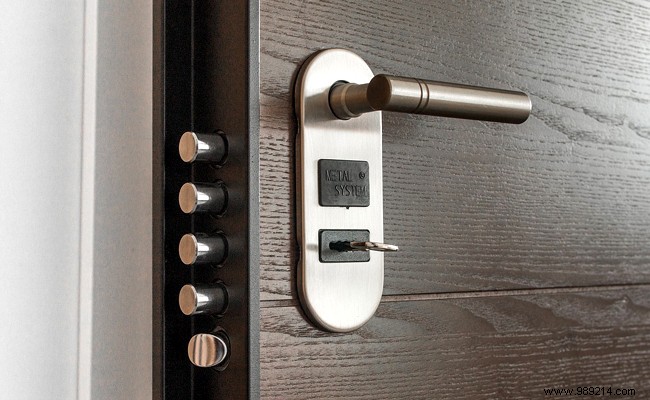
You have two main options for an armored door. The first involves reinforcing your existing door with steel plating and a high-security lock. The second replaces it entirely with a pre-assembled unit featuring a steel frame and multipoint locking system.
These doors deter break-ins, safeguarding your home, occupants, and valuables—or those of a business or premises. They also provide excellent thermal and acoustic insulation, plus protection against water, fire, and wind.
Several rigorous standards ensure armored door performance:
Certification applies to the complete assembly: frame, door, and lock. Altering any component voids the rating.
To get the best quality-to-price ratio, evaluate these proven factors:
Invest in a model matching your risk profile. Select based on desired resistance time (5, 10, or 15 minutes) and an A2P-certified multipoint lock. Skip cheap entry-level options—they offer little real protection. Professionals can guide you to cost-effective, reliable choices where quality trumps short-term savings.
Core construction uses steel and metal for strength. Enhance aesthetics with wood or painted aluminum exterior finishes.
Today's armored doors blend security with style, matching your home's architecture seamlessly.
Opt for 3-, 5-, or 7-point locks based on door size and needs. Doors over 210 cm benefit from 7 points. Hooks can be side-only or include floor engagement (if drilling is feasible).
Choose energy-efficient models to prevent heat loss and reduce heating costs—a worthwhile upgrade despite a slight premium.
Ideal for noisy urban areas or busy streets, ensuring quieter, more comfortable living.
Recommended for apartments and businesses; these hold back flames for 20-30 minutes.
Enhance with seals for better insulation, solid fillers, or anti-pinch systems for superior lock security.
Installation requires skilled professionals—never DIY for safety and certification integrity. Expect €1,000–€1,500 for basic reinforcement of an existing door, or €1,500–€4,000 for a full door replacement including install. Costs vary by provider rates, model, options, and finishes.
Average burglars spend 10–20 minutes inside, netting ~€5,000 in goods. Tailor protection to your area's crime rate, property value, and needs—overkill wastes money, underkill fails. Insurers often discount premiums for A2P-certified doors, boosting your value.
Low-end models crumble under attack; equip wisely for true peace of mind.
Your protection hinges on the installer. Source from reputable locksmiths, metalworkers, or frame specialists—not just big-box stores. Request quotes, verify credentials via workshops and references, and insist on a site visit for personalized advice.
Compare models, customizations, and options. A top pro will demonstrate products transparently and recommend what's best for you.
