In 2017, 233,500 households faced attempted break-ins or burglaries, marking a 2% rise from 2016, per Ministry of the Interior data. With home invasions on the rise, bolstering security is essential. Home alarm systems offer a straightforward, reliable defense as part of a comprehensive protection strategy.
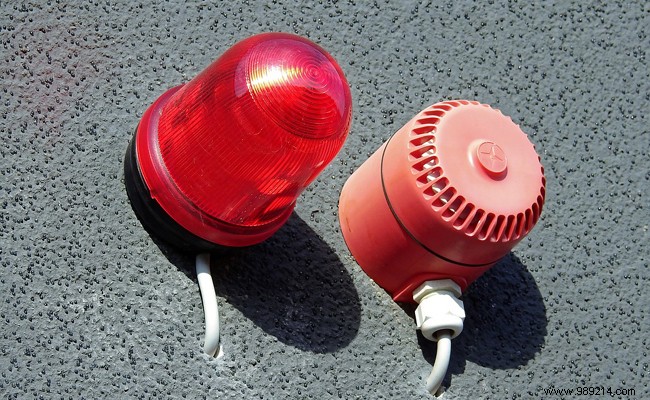
Equipped with sirens, sensors, a control console, and a central unit, alarms detect and deter intrusions by monitoring doors, windows, perimeters, or specific zones. Sensors trigger alerts upon detection, activating the siren via the control unit.
Three primary categories dominate the market: traditional standalone alarms, self-monitored smart alarms, and professionally monitored systems.
Traditional standalone alarms address basic needs with motion detectors for interiors like garages or sheds, plus door/window sensors. Affordable and DIY-friendly, they rely on audible sirens to alert residents or neighbors.
For enhanced control, self-monitored alarms connect to your smartphone, tablet, or computer, often with integrated cameras for live video feeds. Remotely arm/disarm and view your property from anywhere via app.
Professionally monitored alarms provide top-tier security. Installed by experts, these systems alert a 24/7 monitoring center, which dispatches guards or police as needed.
Costs vary by installation type (wired or wireless), sensor/detector count, video integration, and home layout. Key components include: control panels (€100-300), keypads (€30-300), detectors (€100-200 each), sirens (€200-450), remote controls (€20-100), cameras (€70-3,000), and monitors (€200-750).
Entry-level standalone systems range €100-500; high-end models €1,000-3,000. Monitored options start at €400-800, with premium setups €1,000-1,300.
