Radiators act as the vital link between your boiler and living spaces, delivering essential warmth throughout your home. However, if the heat distribution becomes uneven, air buildup in the pipes and radiator is often the culprit. This traps hot water, reducing efficiency. Bleeding the radiator—releasing trapped air—restores optimal performance, ensuring even heating and lower energy bills.
Schedule bleeding at least once a year, or more frequently in larger homes with extensive pipe runs where air accumulation is common. Test your radiator's efficiency: after turning on the heating, if the top or bottom stays cold, or the entire unit fails to warm up evenly, it's time to bleed. Listen for whistling sounds—a clear sign of air pockets causing uneven heat. Beware: excessive air can build dangerous pressure, risking radiator damage or even explosion.
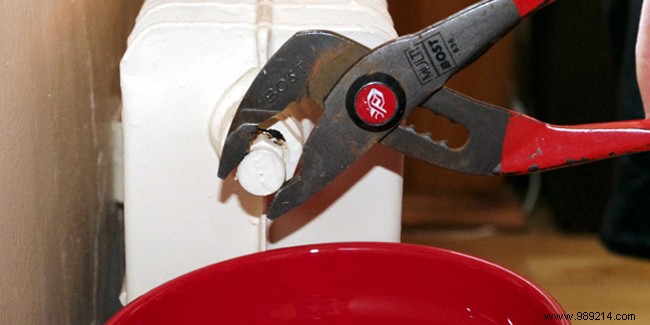
This straightforward maintenance task requires minimal equipment. Use a radiator bleed key matched to your valve (or pliers for most models), a bucket to catch outflowing water, thick gloves for hot water protection, and a clean work surface to avoid mess.
Perform this check before winter, ideally in early fall. Ensure your heating system is off and fully cooled to prevent burns or splashing. Wearing gloves, slowly open the bleed valve—you'll hear a hiss as air escapes, which is normal.
Continue until the hissing fades and steady, even water flows out. Position your bucket to collect it. Once the flow is consistent, close the valve securely. Top up the system via the filling loop, aiming for 1-2 bars of pressure (houses typically need slightly more than apartments). Restart the heating and verify the valve is leak-free; tighten gently if needed.
Heating costs can soar with inefficient radiators, so this simple DIY fix pays off quickly. If problems persist post-bleed, consult a qualified heating professional to diagnose deeper issues like sludge buildup or pump faults.
