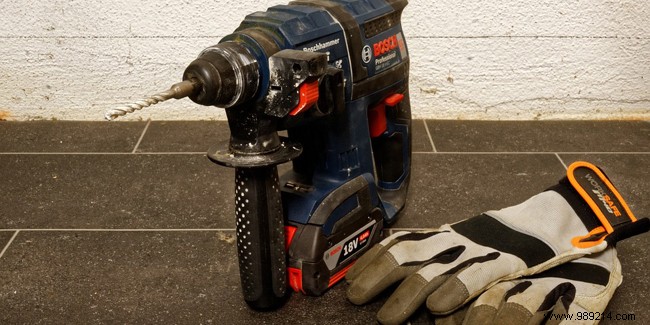
Drilling holes accurately is essential for tasks like pilot holes for nails, screw placements, or securing boards with wooden dowels in carpentry and repairs. As experienced DIY professionals, we've mastered techniques and safety protocols to ensure precise results without risk.
Before powering up your drill, follow these proven safety rules to protect yourself and work efficiently:
Achieving a perfect 90-degree hole can be tricky, even with built-in levels on many drills. Here are reliable methods used by pros:
Drill guides: Available in various diameters at hardware stores. Position the guide on your surface and insert the bit through it for straight drilling. For a DIY version, drill guide holes into small blocks—note they may wear over time.
Spool or bobbin method: Mark your spot with an awl, nail, or ice pick. Thread the drill bit through an empty thread spool or sewing bobbin, align with the mark, and press the flat end firmly against the surface using pliers (never hands). Start the drill for a perfectly perpendicular hole.
