Imagine working at your desk when the lights flicker and go out—yet your computer stays on, powered by a UPS. That sparks a question: Can you protect your entire home the same way?
The answer is yes, and it may cost less than you expect. As energy professionals with years of experience in residential backup systems, we'll walk you through the essentials. Note: Always hire a qualified electrician for installation to ensure safety and code compliance. Read on for sizing tips and cost-saving strategies.
The principle is straightforward: Connect multiple batteries into a battery bank to store energy. Keep it charged via your home's grid power, then seamlessly switch to battery power during outages using an inverter and transfer switch. While innovations like Tesla's Powerwall are impressive, we'll focus on customizable, cost-effective solutions using proven components.
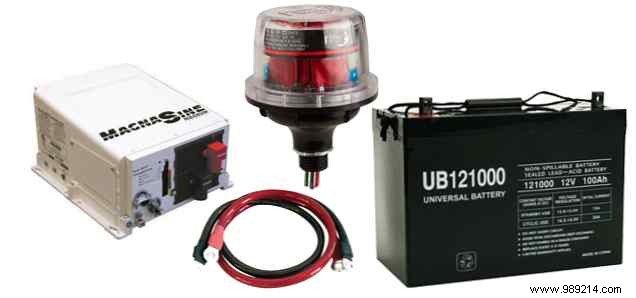
Core components include deep-cycle batteries, an inverter/charger, and wiring. Small accessories like fuses and cables complete the setup—this is an overview to help you discuss intelligently with your electrician.
Choose an experienced electrician, ideally NABCEP-certified (North American Board of Certified Energy Practitioners). Ask for references and review their past grid-tied or battery backup projects.

Sizing depends on your appliances, usage patterns, and desired backup duration. Start by auditing your electricity needs.
Calculate in kWh (daily usage), watts (peak load), and amps. Check your utility bills for peak daily kWh—ours uses a 1,600 sq ft home in the northeastern U.S. with 38 kWh/day in January.

For peak load, use nameplate ratings or a tool like the Kill A Watt EZ monitor. Example: 4,400W (4.4 kW) simultaneous use.
P3 International P4460 Kill A Watt EZ Electricity Usage Monitor Buy Now On Amazon $26.29
The inverter converts DC battery power to AC for your home. Opt for a grid-tied model with automatic transfer switch. Size to your peak load: 4.4 kW at 120V AC.
Match battery voltage: Rule of thumb is 12V per 1,000W, so 48VDC for 4,400W. Example: Magnum MS4448PAE 4,400W 48VDC Pure Sine Inverter/Charger.
Magnum Energy MS4448PAE MS-PAE Series 4400W 48VDC Pure Sine Inverter Charger Buy Now On Amazon $1,815.16
Determine runtime based on local outages—aim for typical durations (e.g., 4-6 hours), excluding rare events like hurricanes.

For 6 hours: (38 kWh/day ÷ 24) × 6 = 9.5 kWh usable. Double for 50% depth-of-discharge (19 kWh), plus 15% for inverter inefficiency: ~22 kWh total. But conservatively: 15 kWh minimum × 1.15 = 17.25 kWh.
Formula: (Daily kWh / 24) × Backup Hours = Base kWh Needed
Base kWh × 2 × 1.15 = Total kWh
AH = Total kWh × 1,000 / Battery VDC (48V). Example: 15,000 Wh / 48V = 313 Ah target.
Use 12V 100Ah deep-cycle batteries: 12 units (3 parallel strings of 4 in series) for 48V 300Ah. Cost: ~$200 each ($2,400 total).
Mighty Max Battery 12V 100AH DEEP Cycle VRLA Buy Now On Amazon $174.99
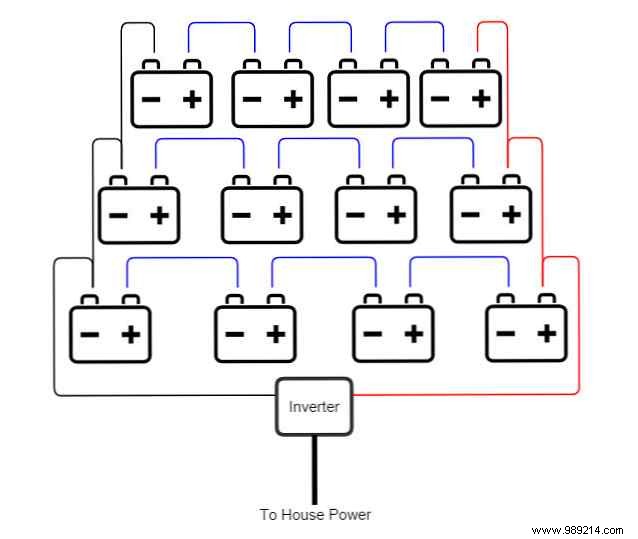
Try FreeSunPower.com's battery bank calculator for custom configs.
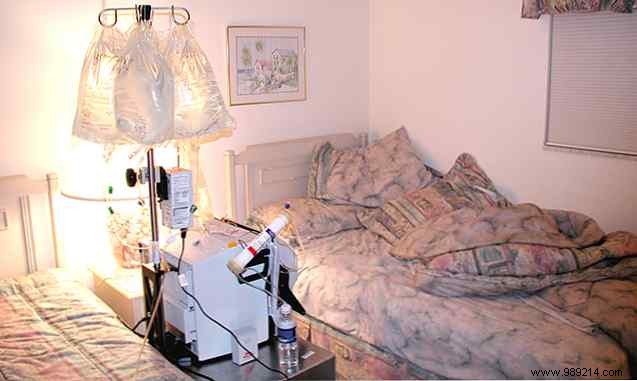
A full system runs ~$6,500 installed—worth it for medical devices or HOA restrictions. Trim non-essentials to halve costs.
Alternatives: Solar generator like 3,500W VSP (~$3,300) or portable inverter generator like Energizer 2,200W (~$600).
PSC2200 2000 Running Watts Generator Buy Now On Amazon $696.42
This setup empowers your home during outages. Consult pros, and you might even go off-grid. What are your thoughts? Share in comments!
