Smart speakers have revolutionized home automation, extending virtual assistants beyond smartphones. Devices like Google Home offer effortless voice control for music playback, smart device management, and instant answers to everyday questions.
Developed by Google, the creators of Android, Google Home is powered by the intelligent Google Assistant. It's an ideal addition for homes already using Google services, enabling seamless integration with smart thermostats, lights, and more.
Congratulations on choosing Google Home! This expert guide, drawn from hands-on experience, covers everything from unboxing and setup to advanced features, smart home control, everyday use, and common troubleshooting fixes.
Here's what we'll cover:
1. Unboxing and setting up Google Home
2. Controlling your smart home with Google Home:
Add a smart home device | Creating and modifying rooms | Using voice controls | Delete a smart home device | Using Google Home with SmartThings
3. Using Google Home:
Voiceless controls | Changing bases | Enabling support for multiple users | Playing music | Access services | Make phone calls | Getting answers and more
4. Troubleshooting Google Home:
Google Home can't connect to the Internet | "Okay Google" command does not activate Google Home | Google Home responds randomly | Both phone and Google Home respond to "Okay Google"
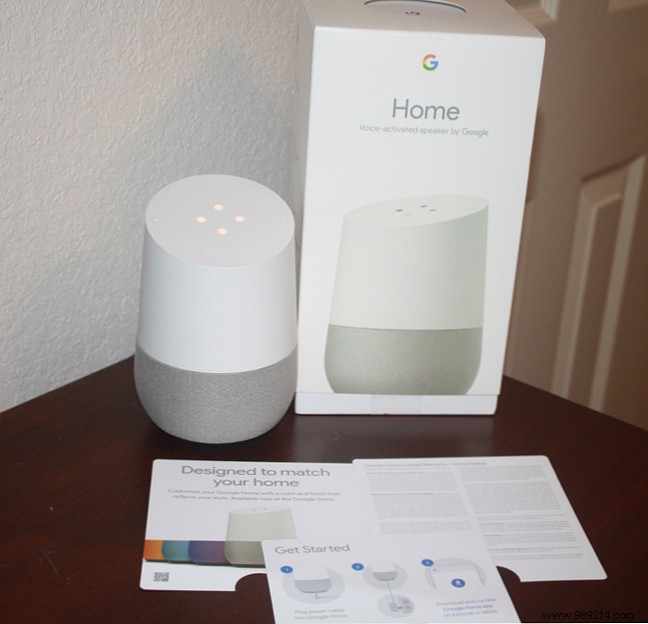
Opening your Google Home box reveals these essentials:
Plug the adapter into a power outlet, then download the Google Home app on your Android or iOS device to proceed. This app also supports setup for other Google devices like Chromecast—check out 10 Must-Have Chromecast Apps to Watch TV for streaming ideas—or Chromecast Audio.
I set up mine using an iPhone; the Android process is nearly identical.
Open the app, and it should detect your Google Home automatically. Tap Yes on the prompt to begin. The speaker plays a test chime—confirm you hear it, then connect to Wi-Fi.
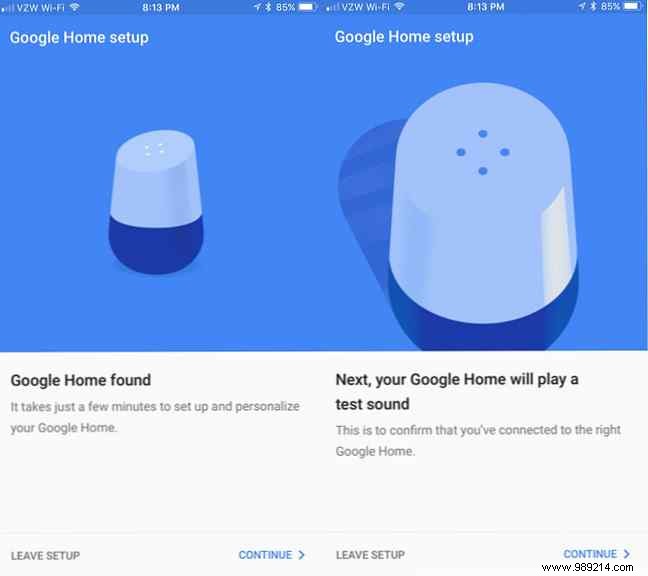
Assign a room like Kitchen, Master Bedroom, or Living Room for easy app recognition. Select your Wi-Fi network and enter the password.
Sign in with your Google account (supports multiple users—we'll cover that later). While optional, linking an account unlocks personalized services. Add your location for local weather, traffic, and business info if desired.
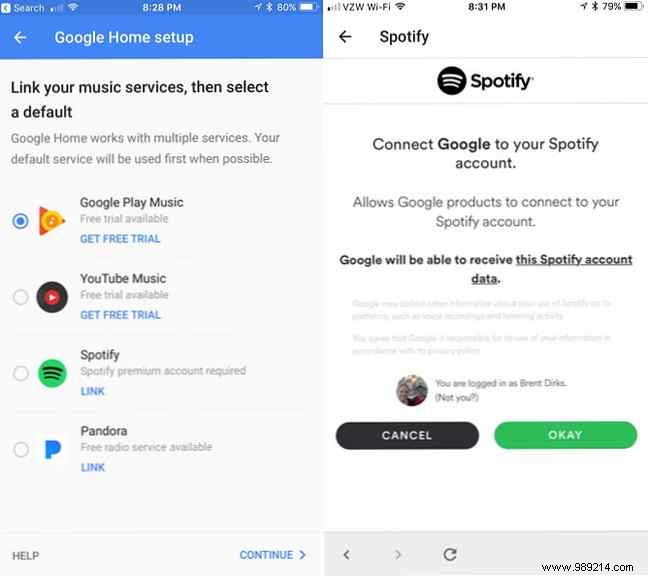
Finally, link music services: Google Play Music, YouTube Music, Spotify, or Pandora.
Google Home excels at voice-controlling smart devices like lights, switches, thermostats, and IFTTT integrations—explore 10 of the best IFTTT recipes for smart home automation for ideas.
View all compatible devices here, including Philips Hue lights and Nest thermostats. The list expands regularly.
In the app's sidebar, tap Home Control, then the + icon. Download Google Assistant if needed (enable via Google app settings on Android).
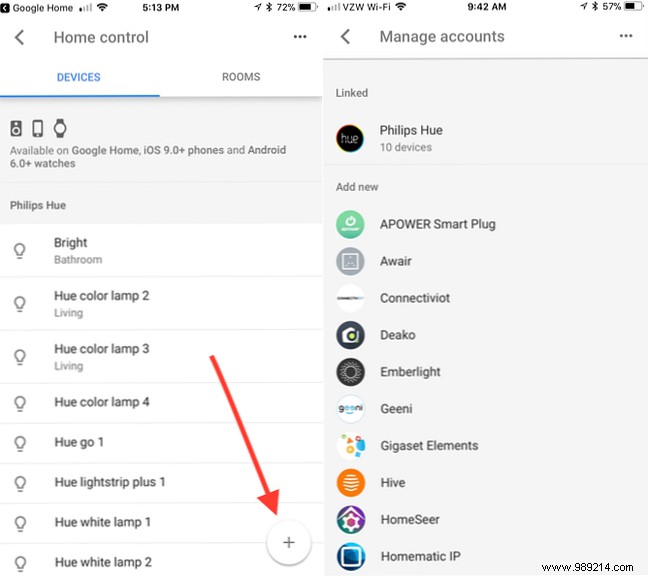
Select your device brand, enter credentials, and it appears in the Devices tab. Add a nickname for voice commands by tapping the device.
Note: Nicknames are app-only and won't sync to the device's native app.
Group devices by room for efficient control, like "Okay Google, turn off the living room lights."
Edit in Home Control > Rooms. Tap + for a new room (preset or custom). Assign unlinked devices.
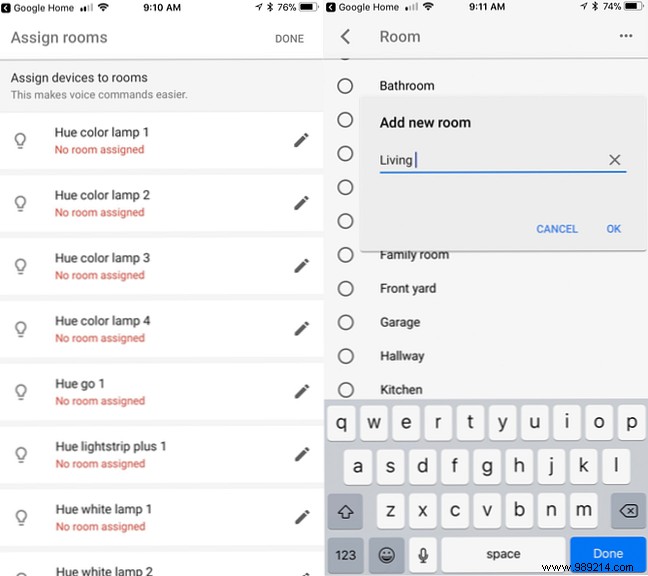
Use the pencil icon to edit devices, move them, or rename/delete rooms (move devices first).
Start with "Okay Google." Commands work from afar thanks to far-field mics, even in noisy rooms.
Lights: "Okay Google…"
Thermostats: "Okay Google…"
Plugs/switches: "Turn on/off [device name]."
In Home Control, tap ... > Manage accounts, unlink the service, and skip the device when re-adding.
Connect your Samsung SmartThings hub easily—see Samsung SmartThings: The Future of Smart Homes? for details.
Add as a device, log in, then in SmartThings app: Automations > SmartApps > Google, enable access and select devices/routines.
Beyond smart home control, Google Home handles music, calls, info, and fun.
The top is touch-sensitive: tap to pause, swipe for volume, long-press to activate. LEDs glow when listening; back button mutes mic (four orange lights).
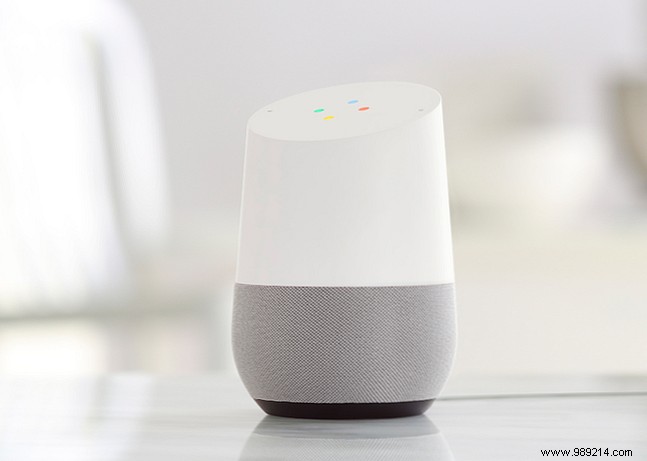
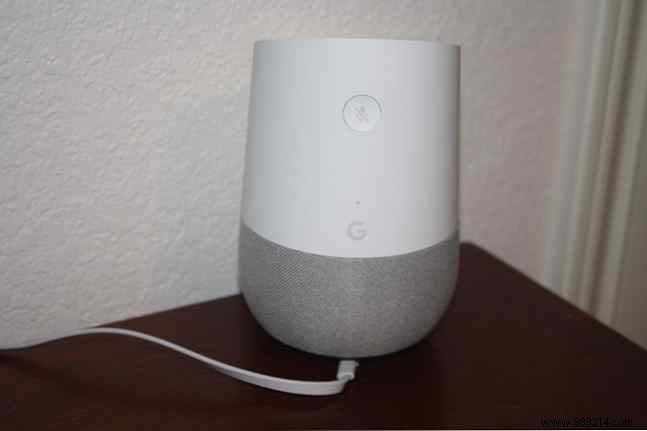
Factory reset: Hold mic button 15 seconds.
Swap the base for style—fabric ($20: mango, navy, purple) or metal ($40: carbon, copper, snow) from Google Store.
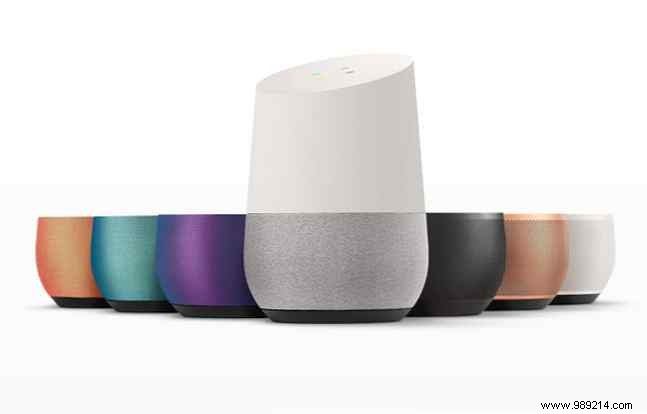
Unplug, pull off old base, snap on new (magnets align).
Supports 6 users with voice recognition for personalized music, calendars—superior to competitors; see How to Set Up Multiple Users on Google Home.
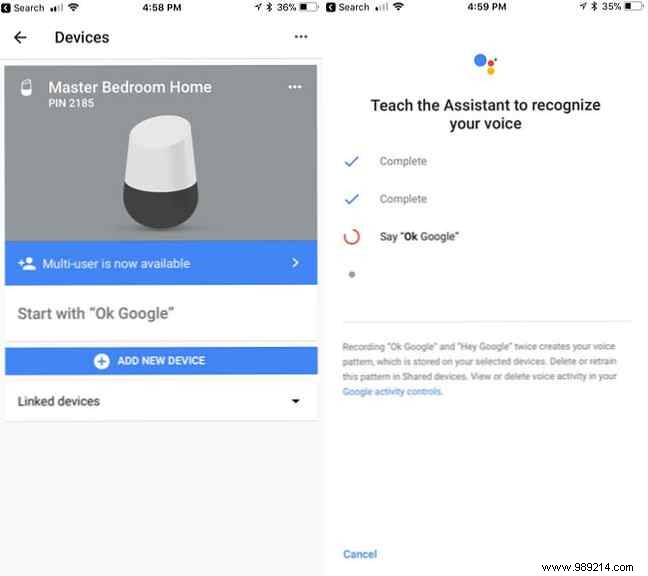
On same Wi-Fi, link account in app, say "Okay Google" and "Hey Google" to train voice.
Stream from linked services or TuneIn. Say "Okay Google, play [song/artist/genre]." Specify service if multiple linked.
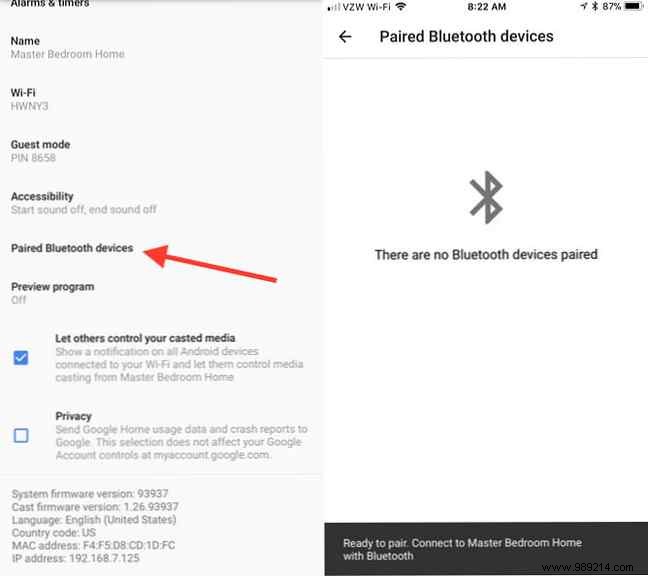
Control playback with voice or touch. Pair Bluetooth via app settings.
Sound quality impresses for its size.
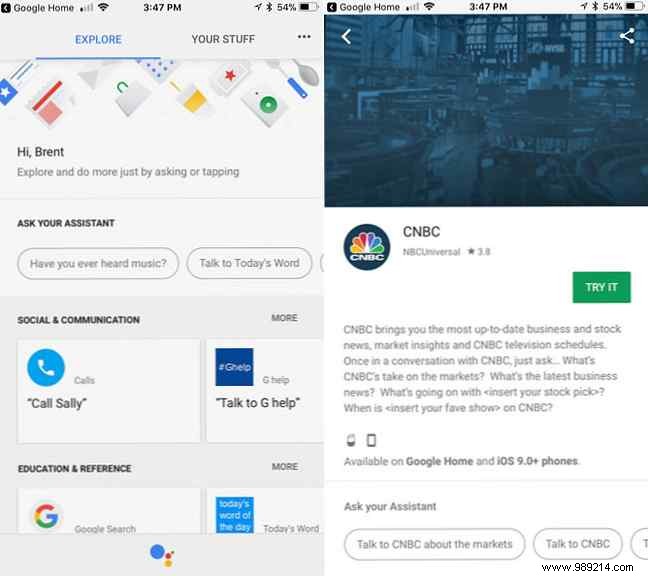
Services are pre-enabled—no hunting required. Explore in app: categories like Music, Productivity, Games. Examples: recipe steps or voice shopping.
Free calls in US/Canada—see Now you can make voice calls with Google Home.
"Okay Google, call [number/business/contact]." Sync contacts with Personal Results enabled.
Answers any question like voice search, with follow-ups. Fun: "Okay Google, are you Skynet?"
Quick fixes for common issues from real-world testing.
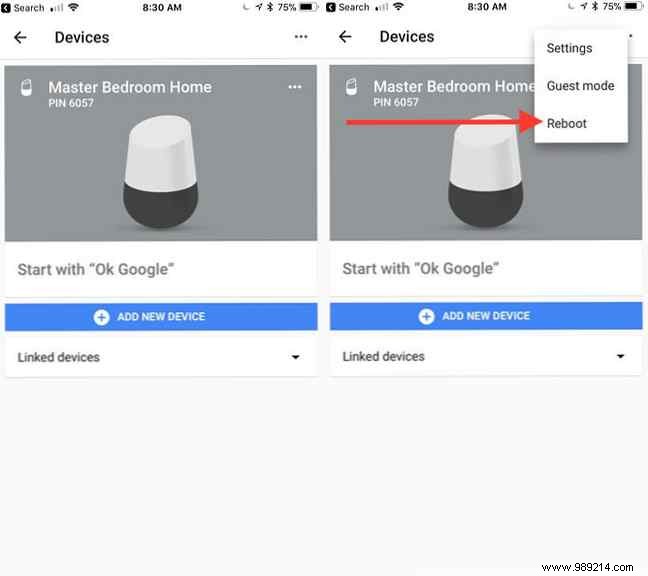
Power cycle speaker/app restart. Reboot modem/router. Relocate closer or use mesh Wi-Fi like Google Wifi—compare Google Wifi vs. Eero vs. Orbi.
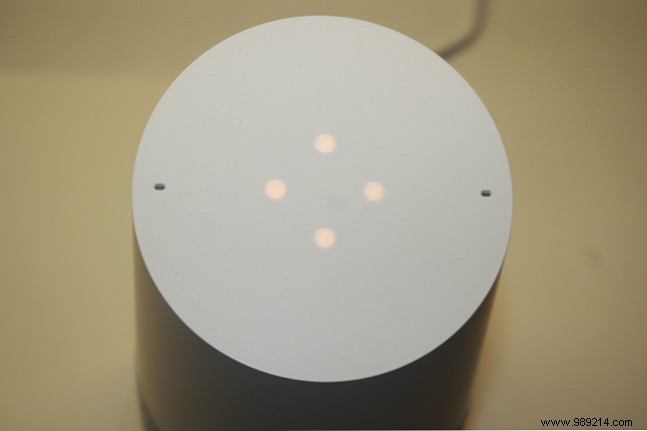
Check mic (no orange lights), move from noise sources, restart.
Relocate from TVs/radios—mics pick up similar sounds.
Add Home's Google account to phone. No fix for others' devices.
This guide equips you to maximize Google Home for home tasks. Smart speakers like this signal a bright future. Where will your "Okay Google" commands take you?
Questions on setup, use, or your experience? Share in the comments!
