Recent advancements in healthcare technology empower seniors to live healthier, more independent lives at home, easing concerns for family members and caregivers.
The stereotype of tech-averse seniors is fading fast. A Pew Research study shows that nearly 60% of adults 65+ are online, with 71% of connected seniors going online daily. Resources abound to build digital skills—user-friendly designs make it easier than ever.
Leverage this tech-savviness with wireless health solutions for proactive monitoring and self-management.
Mobile health is booming. Smartphones extend into health tracking via apps, devices, and portals that support home recovery, emergency response, virtual visits, condition monitoring, and dementia protection.
These tools give seniors control, equip doctors with vital data, and reassure families.
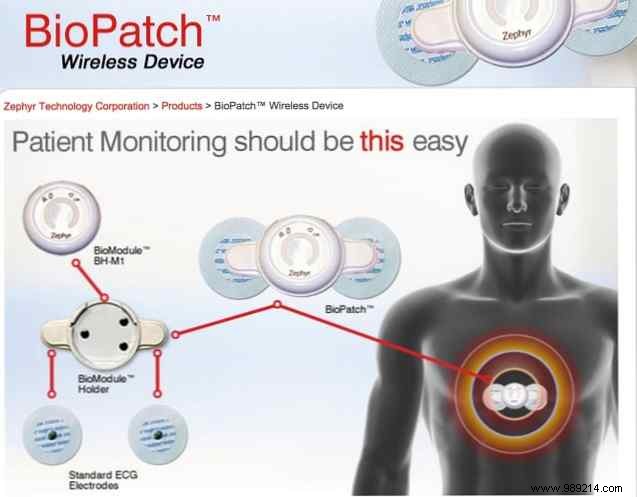
Post-hospital recovery can be expensive and restrictive. For many, wireless monitoring offers a home-based alternative with greater freedom.
Zephyr Life exemplifies this: devices and apps transmit patient data via a secure portal to healthcare pros. The lightweight BioPatch (1 oz.) adheres to the chest, tracking activity, heart rate, respiration, and infection risks. Data flows through the Zephyr HealthHub app.
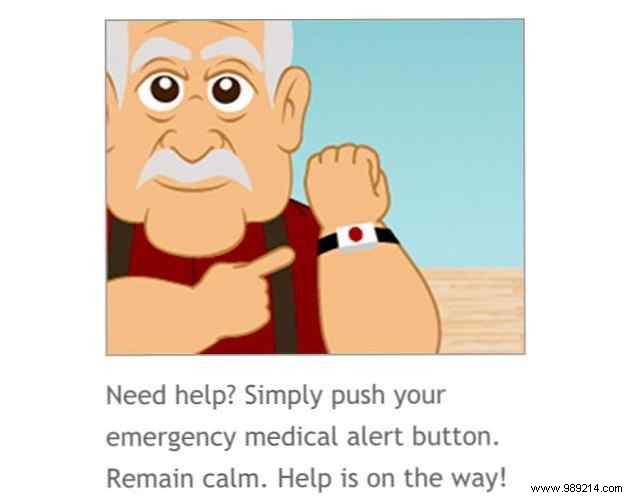
Modern wireless alerts surpass old commercials. Bay Alarm systems provide 1,000-ft coverage via bracelets, pendants, or base stations. Press for operator assistance, family notification, or EMS dispatch. Portable plans (landline, cellular, GPS) ensure reliability anywhere.
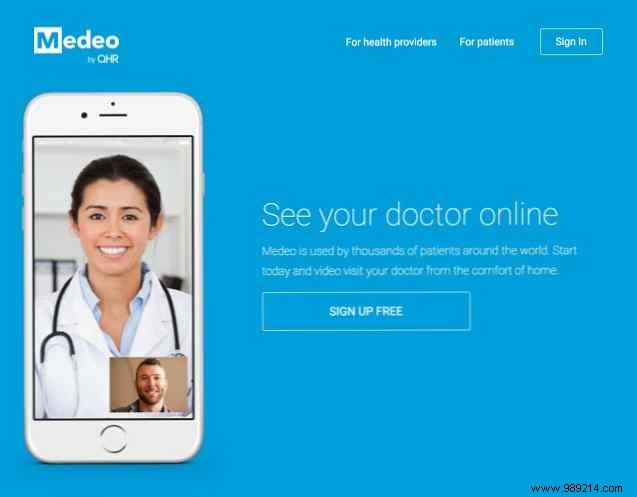
Doctor visits are challenging for mobility-limited seniors. Platforms like Medeo enable living-room consultations for referrals, prescriptions, and results discussions.
No data stored on devices; connect with your established doctor for trusted care.
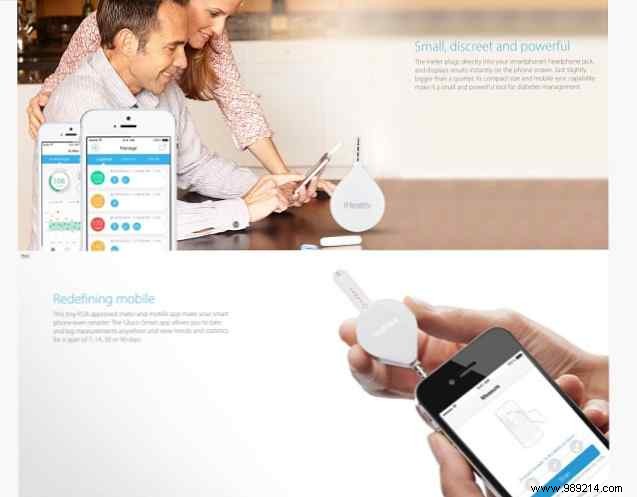
Prevention beats cure. Control risks like hypertension and inactivity with tools like iHealth, which tracks blood pressure, glucose, oxygen, weight, body fat, and activity—seamless with iOS devices.
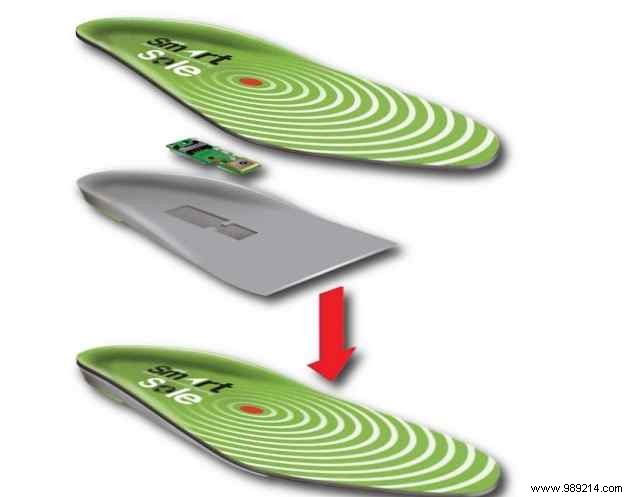
1 in 7 over-75s face dementia, stressing caregivers. GPS SmartSole insoles track wanderers in real-time via app or web, discreetly embedded in shoes.
The array of wireless health products is vast and evolving, promising personalized care advances.
Upfront costs yield long-term gains: empowerment, prevention, faster recovery, and security for seniors, families, and providers.
With patience and accessibility tips, tech adoption is straightforward. These solutions benefit anyone with chronic conditions or unique needs.
Have you tried these? Would you consider them?
