Security cameras are everywhere today, and with affordable tools, anyone can install a professional-grade system for under $200. As a cybersecurity expert with over a decade analyzing home surveillance setups, I've tested both IP and DVR systems extensively. Let's compare them head-to-head—focusing on security.
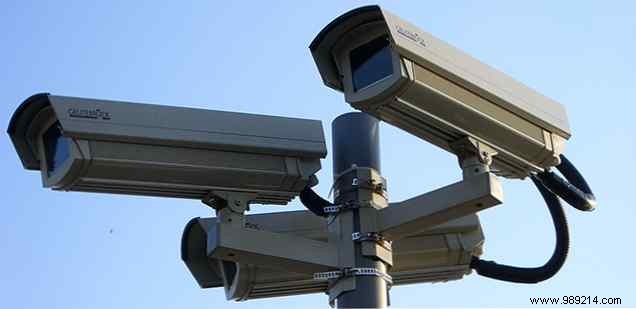
When evaluating camera systems, two types dominate: IP-based (using Internet Protocol) and DVR (Digital Video Recorder). What sets them apart? What are the pros and cons? Crucially, which is more secure? Drawing from real-world deployments and vulnerability reports, here's the breakdown.
The primary distinctions lie in camera types and networking. IP systems assign each device a unique IP address—like a phone number—for direct communication. For example, Camera 1 might be 192.168.2.10, Camera 2 at 192.168.2.11, and the Network Video Recorder (NVR) at 192.168.2.1. Devices connect via Ethernet switches or WiFi.
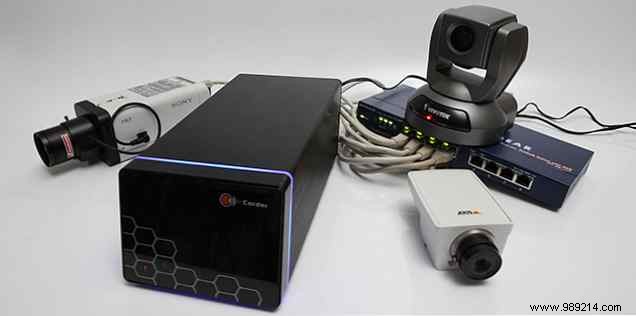
Dropcam Wi-Fi Wireless Video Monitoring Camera, Works with Alexa Dropcam Wi-Fi Wireless Video Monitoring Camera, Works with Alexa Buy Now on Amazon $149.99
NETGEAR 5-Port Gigabit Ethernet Unmanaged Switch, Sturdy Metal, Desktop, Plug-and-play, ProSAFE Lifetime Protection (GS105NA) NETGEAR 5-Port Gigabit Ethernet Unmanaged Switch, Sturdy Metal, Desktop, Plug-and-Play, ProSAFE Protection Lifetime (GS105NA) Buy Now On Amazon $34.96
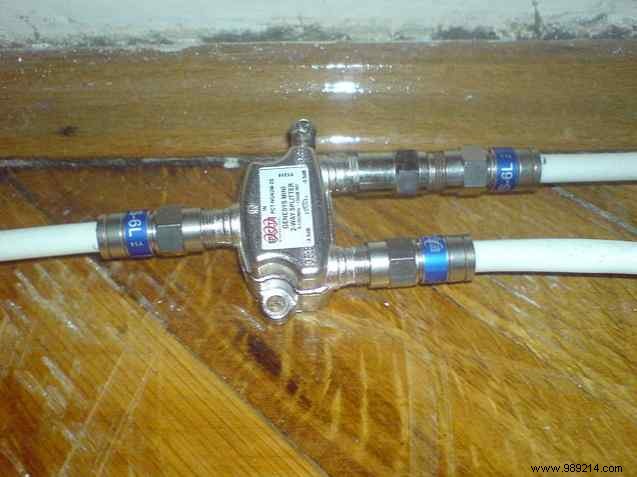
DVR systems use analog cameras wired via coaxial cables to a recorder with a video capture card. This card processes signals from each dedicated port, converting analog to digital for storage.
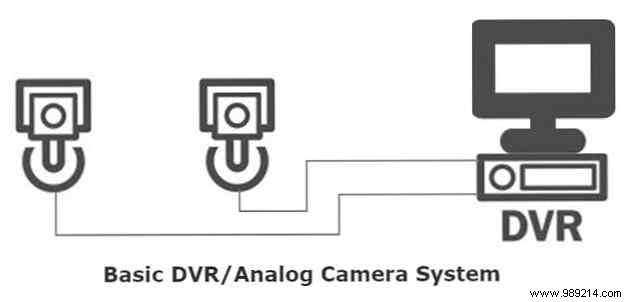
4 Channel Video Capture Card 4 Channel Video Capture Card Buy Now on Amazon
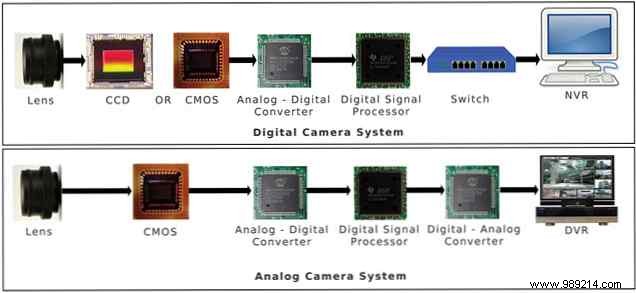
IP uses digital cameras; DVR relies on analog. Both capture light via lenses and sensors, process through DSPs, but analog signals revert to analog for transmission in DVRs.
IP networks mirror any LAN's risks: outages can cascade, malware spreads if linked to your home network or internet. DVRs isolate cameras via direct cables—failures are per-device, and the passive setup needs minimal upkeep.

WiFi IP cameras encrypt signals for remote access (verify this!), but physical cable access is needed for DVR interception. Unprotected IP/NVR devices with default credentials (change them immediately!) invite easy hacks. DVRs require physical proximity if offline.
DVRs edge out due to low internet exposure—hackers target easy online prey. Sites scan for vulnerable cams routinely.

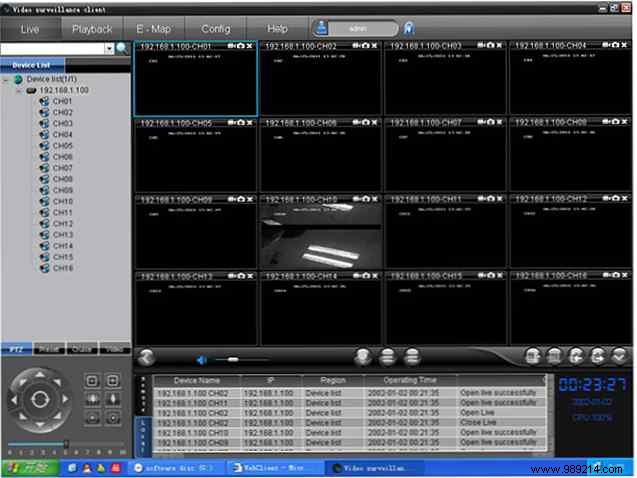
Thousands of DVRs use default 'root/519070'—a widespread flaw. Cloudview's report: 15+ NVRs tested, all vulnerable; most cracked in under an hour. Attackers covet GPUs for crypto mining, like the 2014 Darlloz worm on Hikvision (fixed via firmware).

Hikvision confirmed infections hit internet-exposed cams with defaults—promptly issuing patches.
Air-gap your setup: Isolate from data networks and internet. Treat NVR/DVR like any PC—update firmware, use antivirus/firewalls, subscribe to vendor alerts.
EZVIZ Smart Home 1080p Security System, 8 Weatherproof 1080p HD Cameras, 1TB HDD 8 Channel DVR, 100ft Night Vision, Work EZVIZ Smart Home 1080p HD Security System, 8 Weatherproof 1080p HD Cameras, 1TB HDD 8CH DVR, 100ft Night Vision, Work Weatherproof, 1TB HDD 8 Channel DVR, 1TB DVt HDD, Working Buy Now on Amazon
Got a system running? Password-protected? Share your experience below—we're all in this together.
