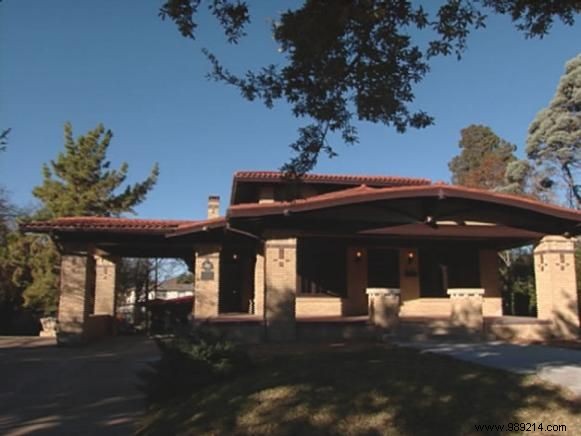
Craftsman architecture emerged in the United States around 1905, pioneered by brothers Charles and Henry Greene, prominent homebuilders in Pasadena, California, from 1893 to 1914. In 1903, they refined their signature approach, which gained fame as the "Craftsman" or "Craftsman bungalow" style. Its popularity endured well into the early 1930s.
While Craftsman designs varied, they shared hallmarks like low-pitched gabled roofs with wide, unenclosed eaves and exposed ceiling joists. Heavy, braced beams often adorned the undersides of gables for added visual depth. Porches featured distinctive tapering square columns, typically crafted from rugged fieldstone or stucco. Interiors showcased exquisite woodwork, with sturdy, wide, flat elements creating a solid yet richly detailed aesthetic. Built-in cabinetry, including the classic butler's pantry, was another signature touch.
