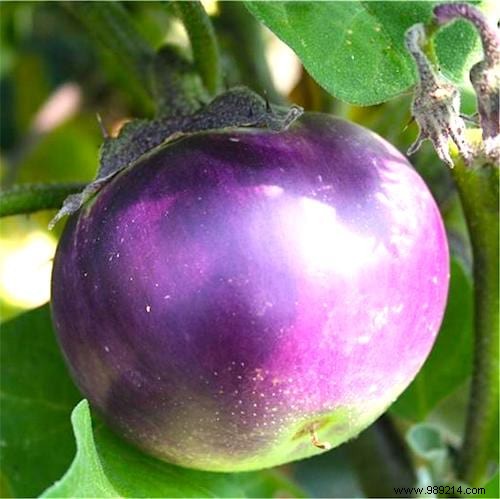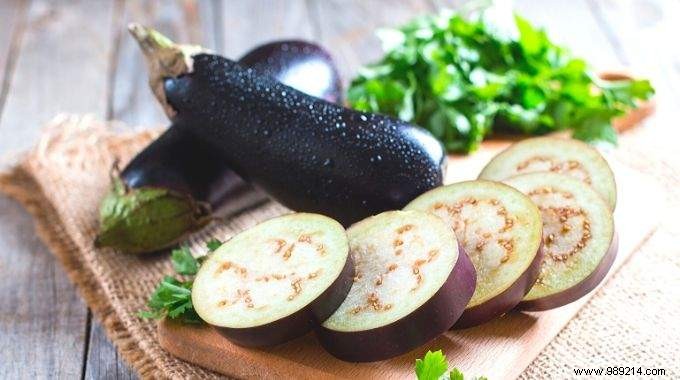
Nothing beats the flavor of sun-ripened eggplants straight from your garden. Whether you're making eggplant caviar, stuffed eggplant, moussaka, parmigiana, or even donuts, this versatile summer vegetable shines in countless recipes.
As experienced market gardeners know, eggplants thrive in vegetable patches, raised beds, terraces, or balconies alike. With the right care, you'll harvest plump, delicious fruits all season.
Here are 10 proven tips for growing stunning eggplants. Watch:

Click here to easily print this guide in PDF.
1. Plant eggplants in a spot with full sun exposure (at least 10 hours daily) for optimal growth and fruiting.
2. Transplant after the last frosts, ideally in raised beds or pots. Space plants 50 cm apart to ensure good air circulation and reduce disease risk.
3. After planting, apply a thick layer of mulch around the base to retain soil moisture and suppress weeds.
4. Stake plants immediately upon planting to shield brittle stems from wind and support heavy fruits as they develop.
5. Water consistently without wetting leaves, keeping soil evenly moist to prevent blossom-end rot.
6. Once flowers appear, fertilize monthly with a balanced liquid feed to boost production.
7. Aim for soil pH between 5.5 and 6.5—test and amend as needed for best nutrient uptake.
8. Flea beetles puncture young leaves; cover with insect netting at first signs. For infestations, use organic options like Beauveria bassiana or spinosad.
9. When 2-3 flower clusters form, pinch the main stem's tip to encourage branching and higher yields.
10. Harvest when skin is smooth, glossy, and yields slightly to touch. Wrinkled, dull skins signal overripeness and bitterness.
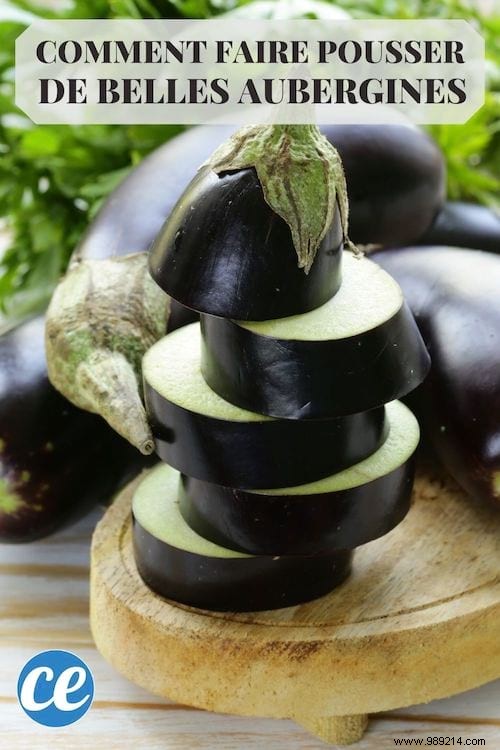
- Store eggplants a few days in a cool spot or freeze for longer keeping.
- Pick promptly to avoid browning, hardening, and bitter flesh.
- Eggplants soak up oil when cooking; brush with egg white first to cut fat without sacrificing taste. See the trick here.
Sow in March-April; harvest from July in warm climates.
Top varieties for reliable results:
- De Barbentane: Early-maturing and adaptable to cooler summers, it yields shiny purple fruits with firm, tasty flesh.
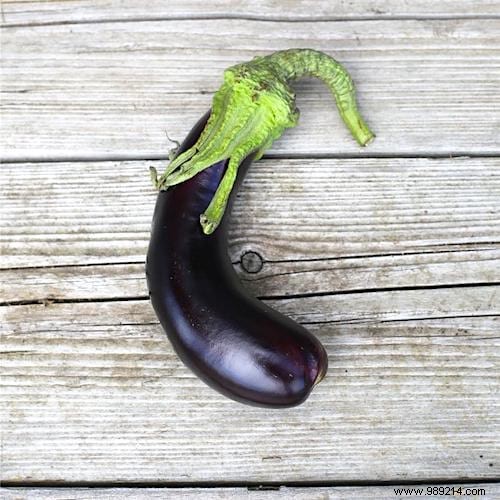
- Violette de Florence: Produces large mauve-and-white fruits with sweet flavor and few seeds—perfect for stuffing or ratatouille.
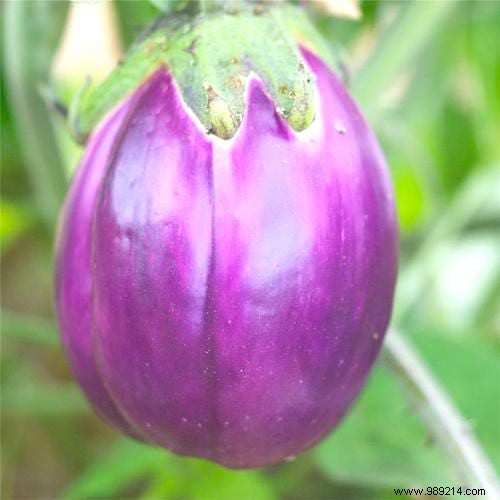
- Ronde de Valence: High-yielding and heat-tolerant, delivering round, dark purple fruits with firm flesh and robust taste.