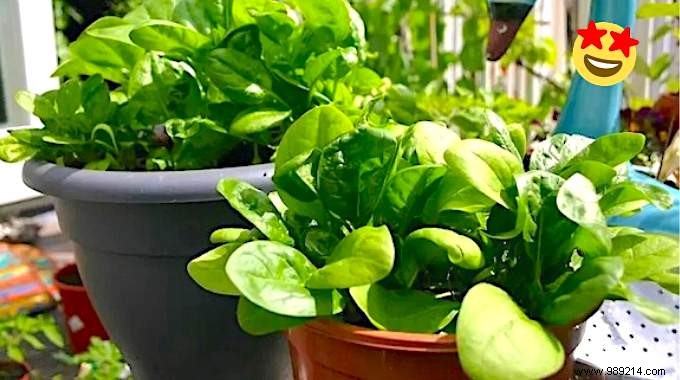
Love fresh spinach but no garden space? Spinach thrives in pots, making it ideal for balconies, windowsills, or indoor spots. As a low-sun lover, it excels in partial shade.
With years of hands-on container gardening, I've refined these 12 essential tips to help you grow bountiful potted spinach at home. Watch:
Sow spinach seeds directly in the pot at a depth of 2 cm. Germination typically takes 5 to 14 days, varying by conditions and variety.
For stronger starts, germinate in seed trays and transplant once seedlings develop 2 or 3 true leaves.
Select pots at least 15-20 cm deep for healthy root growth. Prioritize width to accommodate multiple plants in planters, large pots, wooden boxes, or market crates.
Alternatively, use individual small pots for single plants.
Space plants 5 to 10 cm apart. For larger leaves, increase to 10-15 cm; for baby leaves, 5 cm works well.
Create mini grids in larger containers to monitor growth and thin as needed.
Spinach grows year-round but prefers moderation. Avoid intense sun exposure.
Mid-August to November sowing (fall/winter harvest): Full sun is fine with shorter days.
February to mid-May sowing (spring/summer): Provide afternoon shade.
Hot climates: Opt for minimal direct sun.
Use premium potting soil enriched with organic matter like compost. Aim for clay-like, well-draining texture and neutral pH.
Proper drainage is key to preventing root issues in potted spinach.
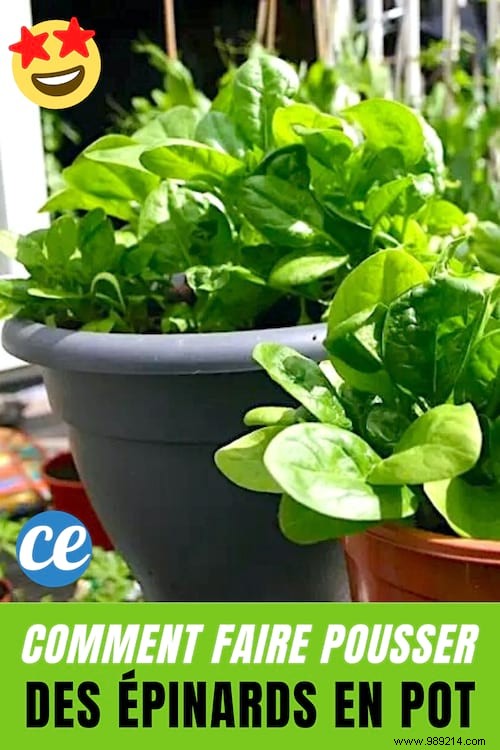
Keep soil consistently moist, especially in heat, but avoid overwatering to prevent rot and fungi. Water at the base and ensure good drainage.
Spinach tolerates 4°C lows and highs, with ideal soil temps of 10-27°C. Hardy varieties handle -6°C to 32°C. Shade pots during heat spikes.
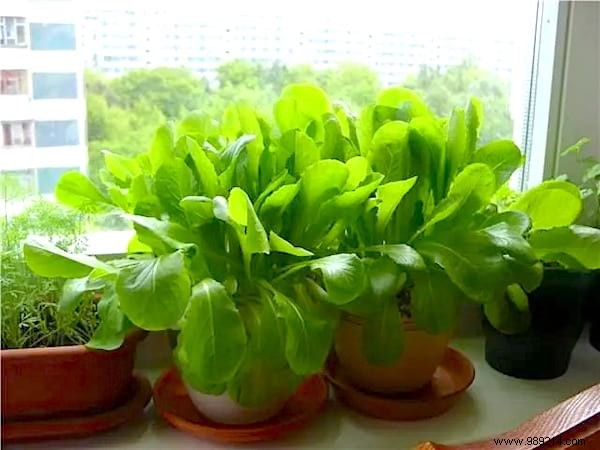
No balcony? Grow on a sunny windowsill in 15 cm pots. Spinach's shade tolerance makes it perfect for indoor spaces, alongside herbs.
Nitrogen-rich soil yields lush greens. Apply slow-release fertilizer at planting, or use compost/manure. Later, boost with fish emulsion, nettle manure, or balanced liquid feeds.
To discover: How to Fertilize Your Vegetable Garden's Soil WITHOUT Composting.
Mulch pot surfaces with straw, leaves, or clippings to retain moisture and cool soil – essential for potted success.
Pots make pest control simple. Inspect for aphids, slugs, and caterpillars. Use humus-rich soil to avoid blight; prevent compaction and excess moisture.
Harvest 37-50 days post-germination when plants reach 10 cm with 5-6 leaves. Pick outer leaves by hand to encourage regrowth, or cut stems leaving the base.
In heat, harvest promptly to beat bolting, which bitters leaves.
