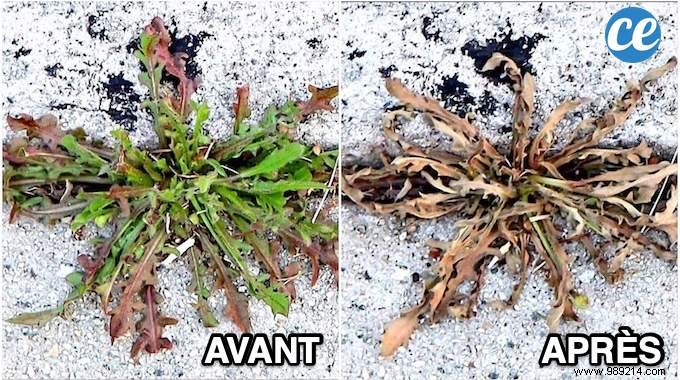
Chemical weedkillers are undeniably powerful, but their environmental and health risks make them a poor choice for gardens, paths, and patios. As experienced gardeners know, safer alternatives exist—100% natural, budget-friendly, and highly effective.
From baking soda to potato water, here are 12 expert-tested natural weed killers that are simple to make at home:
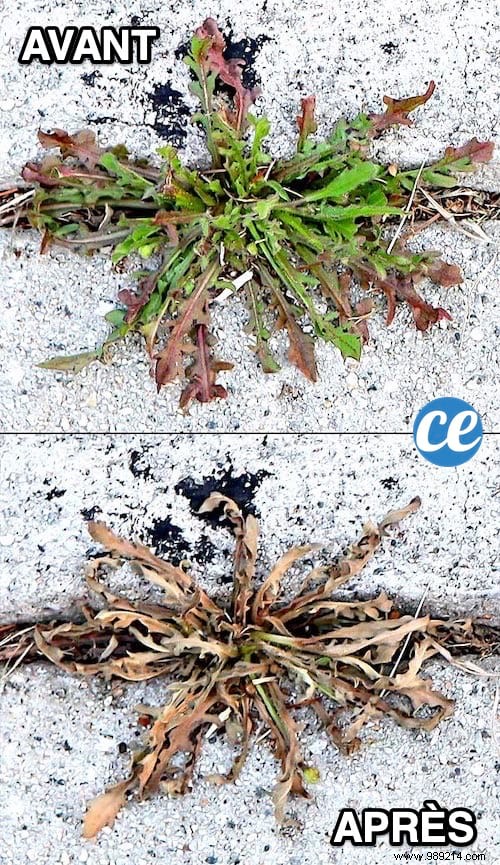
A classic trick from generations of gardeners: save the starchy water from boiling potatoes instead of pouring it down the drain. Pour it directly onto weeds in driveways while hot for best results. The starch disrupts growth, killing weeds effectively.
Pasta boiling water, rich in salt, is another proven remedy. The salt sterilizes surfaces by inhibiting microbial growth, while the heat shocks and destroys plant cells. Pour it on weeds in paths or patios for quick clearance.
Baking soda is a gardener's secret weapon for driveways, terraces, and pavers. Mix 70 g with 1 liter of boiling water and apply. Repeat once or twice a year, as recommended by traditional methods, for lasting control.
Basil essential oil's insecticidal and fungicidal properties make it ideal for tough weeds. Add a few drops to a watering can with liquid soap to emulsify, then spray directly on unwanted plants.
Nettle manure, a staple for organic gardeners, leverages natural properties to suppress weeds. Use 1 kg fresh nettles per 10 liters of water; macerate 15-30 days. Dilute properly to avoid nitrogen overload on nearby plants.
For a reliable homemade solution, combine 5 liters water, 1 kg iodized salt, and 200 ml white vinegar. Spray on weeds; once yellowed, pull them out easily. This combo dehydrates and stresses weeds effectively.
Save fireplace wood ash—it's a natural weed suppressor that raises soil pH, eliminating moss and weeds. Spread on lawns or paths for dual benefits in moss control and weed prevention.
This time-honored method prevents weed proliferation: prepare soil as for sowing, let weeds germinate, then remove them early. Your plot stays clean and ready for crops.
Perfect for veggie patches and beds, angelica manure is simple: chop 1 kg leaves, soak in 10 liters water for 10 days until bubbling stops. Filter, apply to weeds, and remove once yellowed.
Ideal for non-plant areas like gravel or patios, undiluted white vinegar acts as a contact herbicide, burning foliage without deep root penetration. Mix 50% vinegar with water and spray directly.
Plants like phacelia, clover, mustard, buckwheat, and marigolds release weed-suppressing toxins. Sow them in beds to naturally crowd out and inhibit weeds while enriching soil.
Prevention is key: clear weeds and roots first, then apply mulch like grass clippings, pine bark, or wood chips. It blocks light, stops regrowth, and enhances garden aesthetics.
