Sowing your own seedlings saves money compared to buying established plants. The challenge? Commercial mini-greenhouses aren't cheap. As experienced gardeners know, you can craft effective ones from household recycles at zero cost—ideal for apartments or gardens.
Here are 10 smart recycled ideas for DIY mini-greenhouses. Watch:
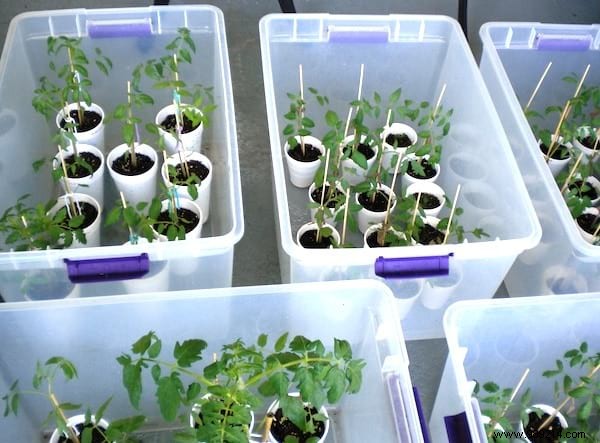
Ideal for balconies or tight spaces, these stackable boxes save room. Close the lid at night to trap warmth—a reliable, space-efficient solution trusted by urban growers.
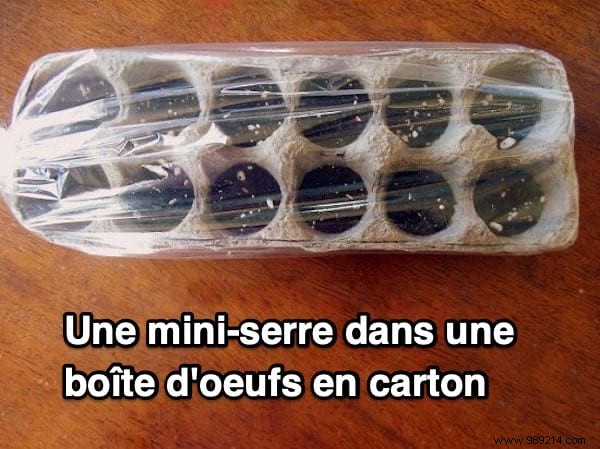
Repurpose an old egg carton into individual seedling cells. This simple, free setup provides humidity and protection, mimicking professional propagation trays.
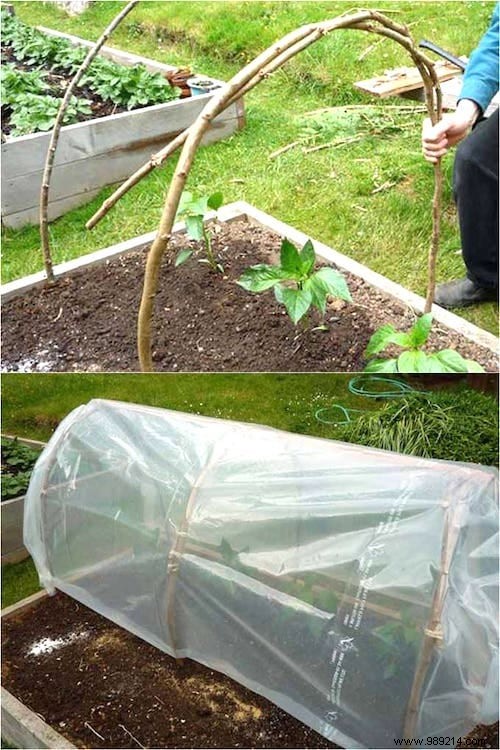
Skip pricey kits: Bend branches into a frame and cover with a tarp. Customize the size for your needs—a durable, low-cost option favored by homesteaders.
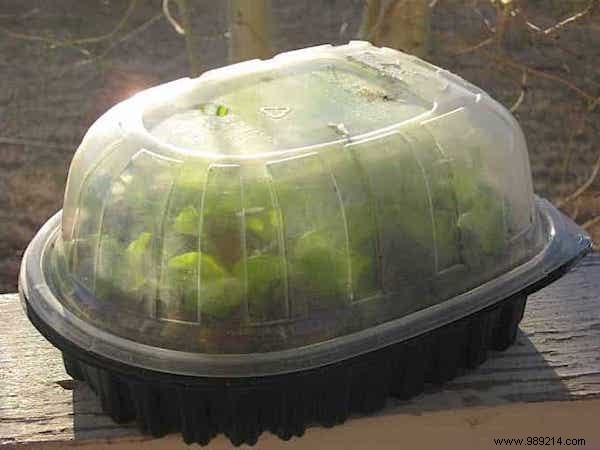
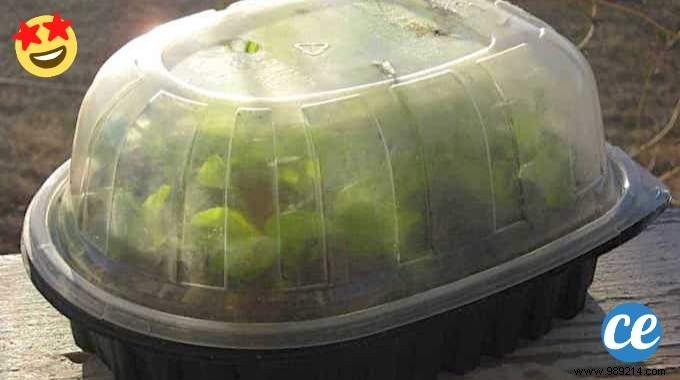
For small batches, reuse a clear roast chicken tray. Sow seeds inside, snap on the lid for a portable, warmth-retaining mini environment.
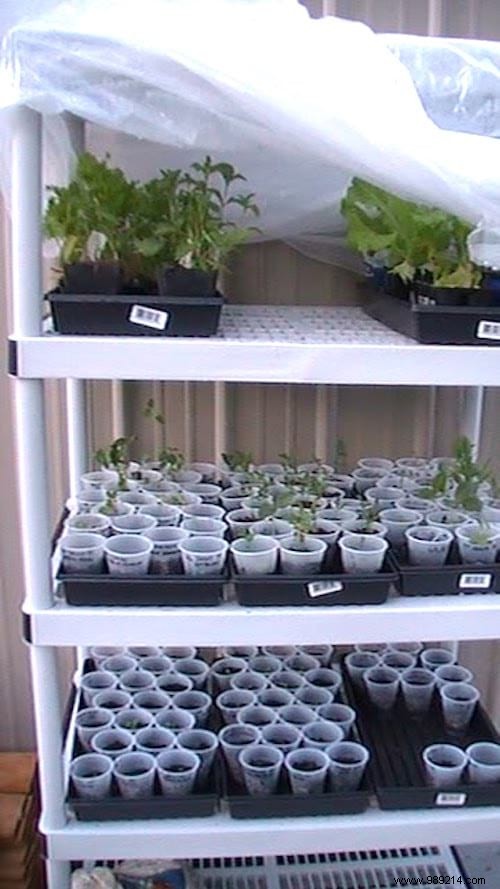
Maximize vertical space with a shelving unit draped in plastic sheeting. Arrange trays on tiers for efficient growing without crowding your patio or veranda.
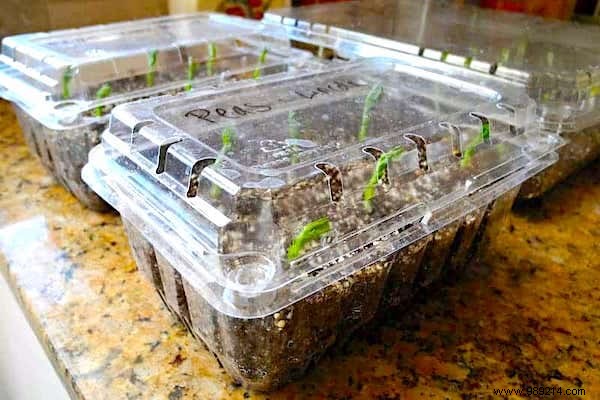
Recycle supermarket strawberry or pastry boxes as vented greenhouses. This clever upcycle maintains moisture and light—proven for healthy germination.
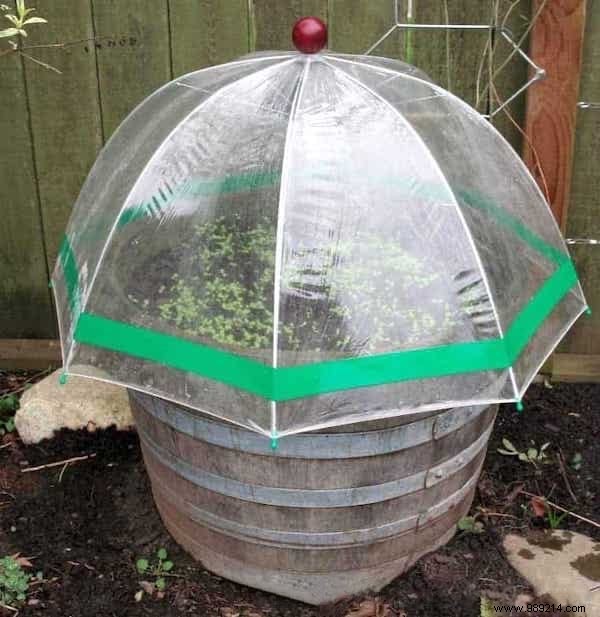
Transform an old clear umbrella over a pot or barrel. It shields seedlings outdoors, creating a cozy microclimate in your garden.
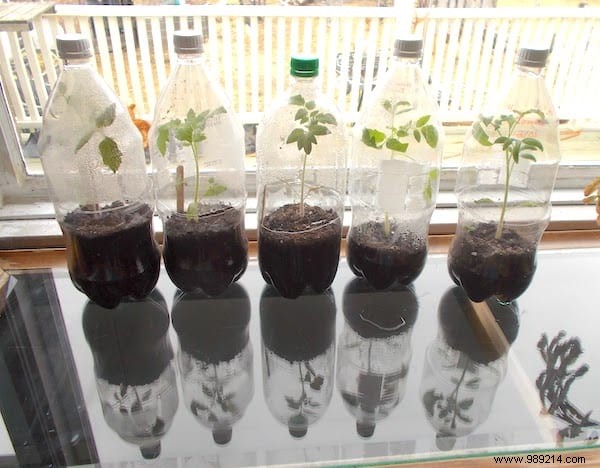
Halve bottles, fill bottoms with soil, and cap with tops for instant greenhouses. Perfect for indoor apartments, harnessing the greenhouse effect effectively. To discover: 20 Brilliant Ideas To Easily Recycle Your Plastic Bottles.
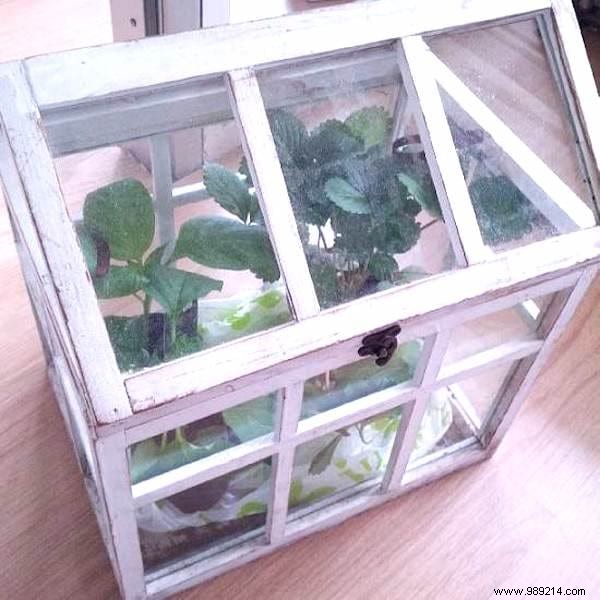
Frame old windows into a charming cold frame. This vintage-style setup suits flowers or veggies, blending aesthetics with functionality. To discover: 20 Creative Ways To Recycle Old Windows.
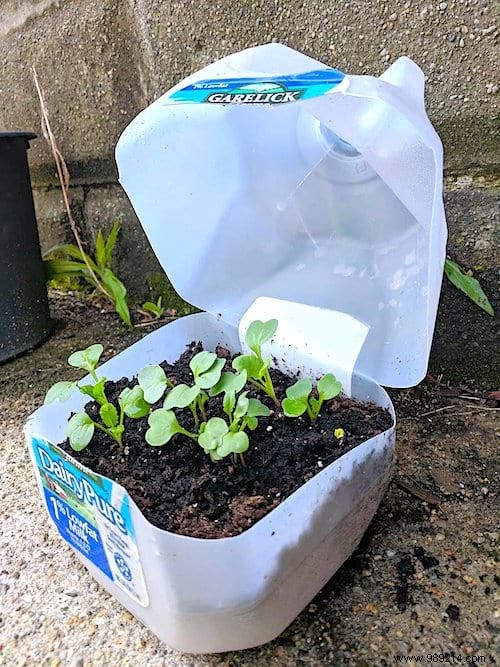
Larger seedlings thrive in repurposed juice or milk jugs, offering extra height. A sturdy, transparent choice for robust growth. To discover: 36 Ingenious Ways to Recycle OLD PALLETS into Outdoor Furniture.
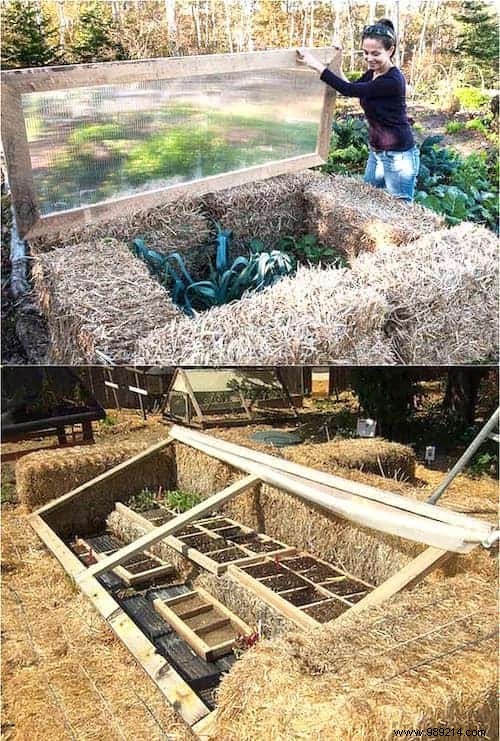
In rural settings, stack straw bales and cover with tarp for insulation. Eco-friendly and practical for larger-scale propagation.
