
City living doesn't mean giving up fresh veggies. A balcony garden lets you grow your own, slashing grocery bills and boosting your health with homegrown goodness.
Ever dreamed of tending your own vegetables but lack a yard? No problem—pots on your balcony work wonders.
 Contents
 To get started, begin with easy aromatic herbs like thyme, chives, or mint. They're low-maintenance and thirst little water.
For full vegetables, patience pays off. Here's my proven advice for bountiful, flavorful harvests from years of balcony gardening.
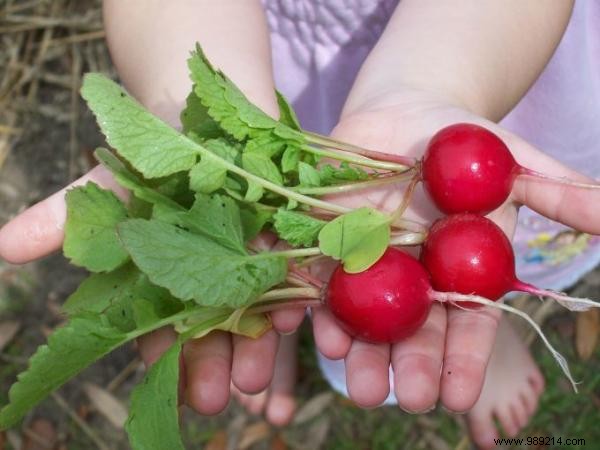
Don't have a green thumb passed down from grandparents? Skip exotic picks. Start with foolproof favorites: tomatoes, lettuce, and radishes.
Transplant seedlings for tomatoes and salads—no fussing with seeds that might flop.
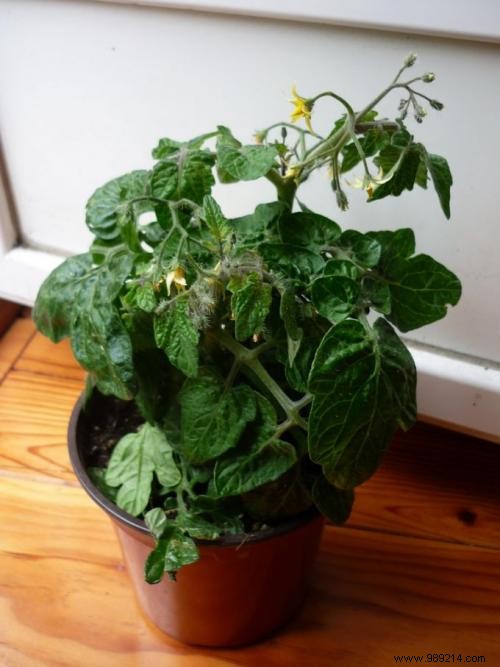
Tomatoes: Go for cherry, grape, or beefheart varieties. I planted cherry tomatoes and fragrant Marmande types—vibrant red, round, and packed with flavor.
Salads: Lettuce, batavia, escarole, oak leaf, frisée—pick what you crave. In my planters, escarole and oak leaf deliver crisp, tasty leaves that beat store-bought every time.
Herbs: Parsley, chives, basil, mint, sage, coriander, lemon balm, thyme, oregano, tarragon, lemongrass—pots make them all feasible. Fresh herbs elevate any meal; I've transformed my cooking with them.
For fruits, strawberries are simplest.
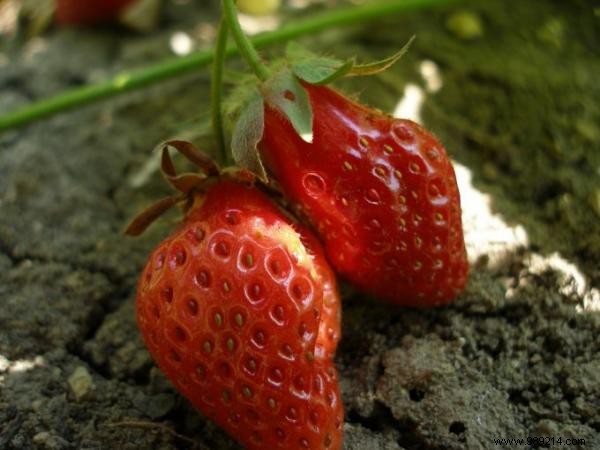
Buy ready seedlings. Choose trailing or climbing types to maximize space—hang pots or use a trellis for beauty and efficiency.
Varieties: Gariguette, Mara des Bois, or Plougastel strawberries shine.
Quality setup ensures success in pots.
Planters: Ideal for sprawling crops like lettuces, radishes, eggplants, zucchini, melons, or strawberries. Elevated ones store tools below.
Pots: Perfect for upright growers like herbs, tomatoes, or climbing strawberries. Hanging options save precious balcony real estate.
Soil: Opt for chemical-free potting mix.
Fertilizer: Stick to organic—why grow your own if adding chemicals? Compost if possible, or grab affordable organics. DIY natural recipes abound.
Water: Collect rainwater or reuse veggie rinse water for sustainable hydration.
Match plants to three key factors:
Sun and wind exposure: Tomatoes thrive in full sun for ripening and aroma. Herbs vary—mint prefers shade, cool spots, and wind protection; thyme loves sun-baked edges and drought.
Timing: Pots offer flexibility, but avoid October lettuce or April onions. Check seed packets or plant tags for guidance. Spring is prime planting season.
It's incredibly cost-effective. Year one: €25 for plants and gear. Now, just seeds and seedlings.
My solo veggie-heavy diet runs €7 weekly (€364 yearly). I supplement store buys, but halve spending over 5 months—proven by my thriving setup.
