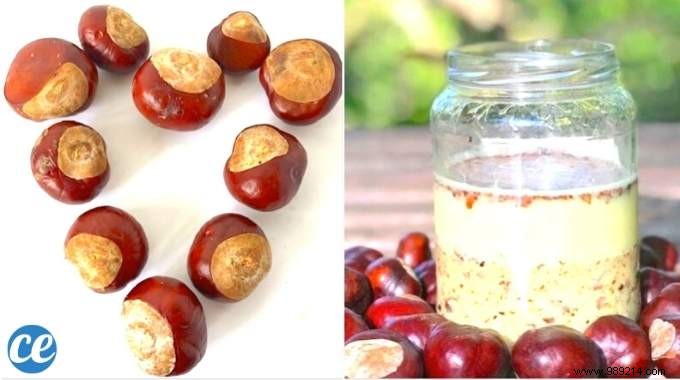
Familiar with the horse chestnut tree? Native to the Balkans and introduced to France in the 16th century, it produces these glossy seeds in autumn that children often collect for games. Beyond play, horse chestnuts offer impressive practical benefits backed by their rich compounds: saponins for natural foaming, aescin for vein support, flavonoids, coumarins, tannins, and essential nutrients.
 Contents
 Saponins act as natural soaps, similar to those in ivy. Aescin supports venous health, particularly for varicose veins. Here are 10 practical horse chestnut uses rooted in traditional practices.
For most recipes below, start with chestnut powder. Since fresh horse chestnuts are seasonal and prone to mold, prepare a supply ahead.
Dry them carefully on a cloth in the sun without crushing. Grind into powder—it stores compactly, dries faster, and is ready to use anytime.
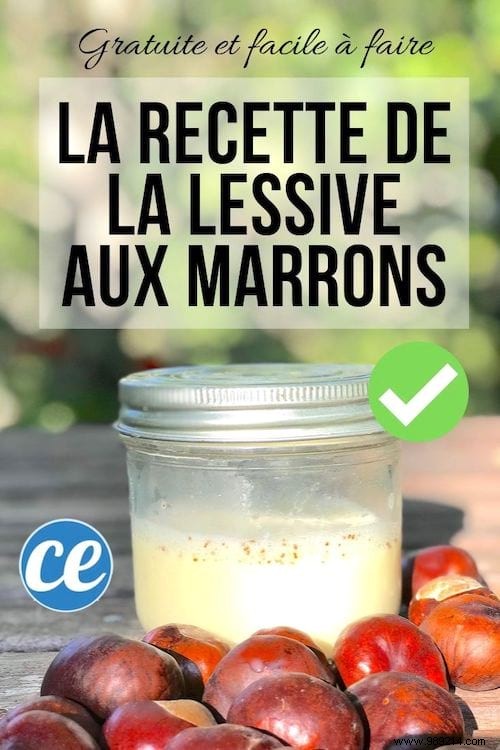
A favorite eco-friendly hack: Skip chemical detergents for this 100% natural alternative, like soap nuts from the Indian soap tree—but free from local parks.
Discover the simple recipe here.
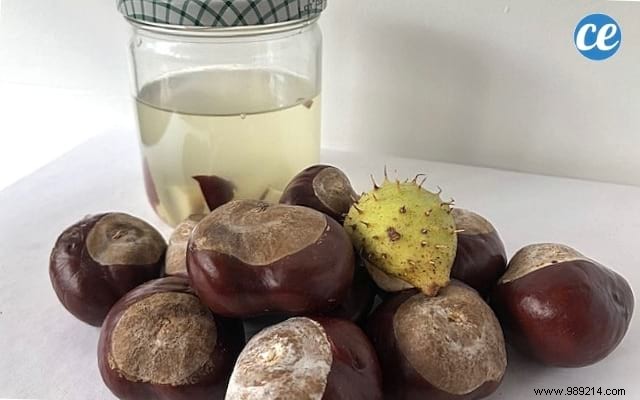
Horse chestnut makes a versatile cleaner for kitchen, bathroom, garden, or dishwashing.
Ingredients: 10 chestnuts, 1 liter water, 1 jar.
Instructions: Grind 10 chestnuts into powder, add to jar. Pour in 1 liter boiling water; steep 12+ hours, stirring occasionally to release saponins. Your natural cleaner is ready. Full recipe here.
This mask cleanses and soothes tight or oily skin. Grind 2 tablespoons chestnut pieces into flour, mix with water to form a paste. Apply for 10 minutes, rinse with lukewarm water. Skin feels soft and hydrated.
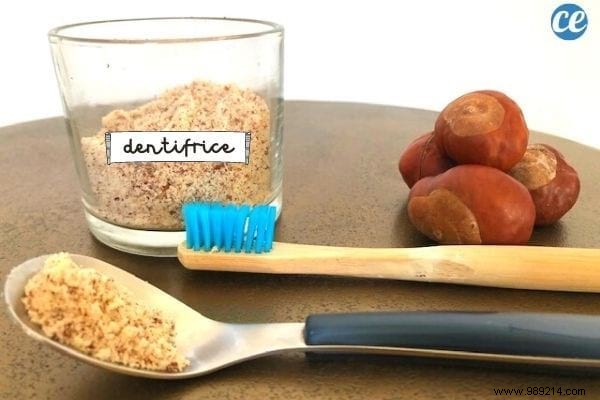
Like clay toothpaste for whitening, this chestnut powder version cleans, disinfects, and reduces gum inflammation.
Blend 3 tbsp chestnut powder, 1 tbsp baking soda, 10-15 dried sage leaves, and xylitol (optional) to a fine flour consistency. Use a pinch on a wet brush. Note: Mildly bitter, low foam, but highly effective.
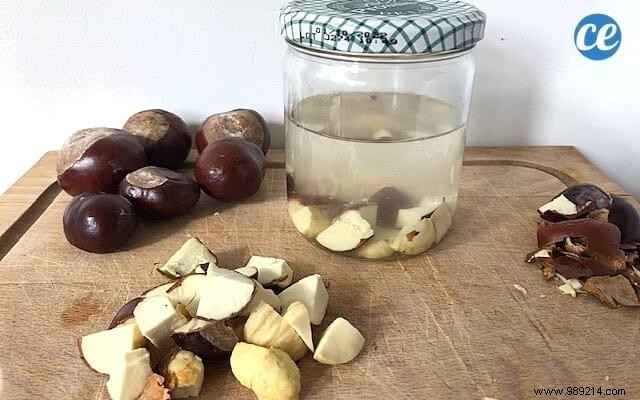
Traditionally, carrying chestnuts warded off rheumatism. For better results, use in a bath to stimulate circulation.
Soak 500g ground chestnuts in 5 liters water overnight. Boil briefly, simmer 30 minutes, strain into bath. Relax and benefit.
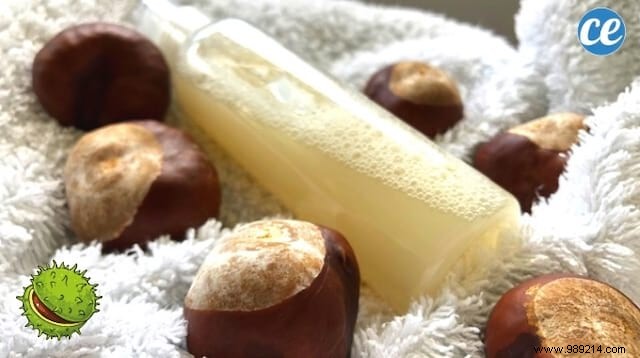
Craft an organic shower gel with chestnuts and apple. Ingredients: 5 chestnuts, 300ml water, 1 apple (or quince), 1 tbsp psyllium (add 1 tsp coconut milk for dry skin).
Simmer chopped chestnuts/apple 10 minutes, strain, cool. Stir in psyllium to swell, reheat gently to egg-white consistency. Luxurious, natural gel. Details here.
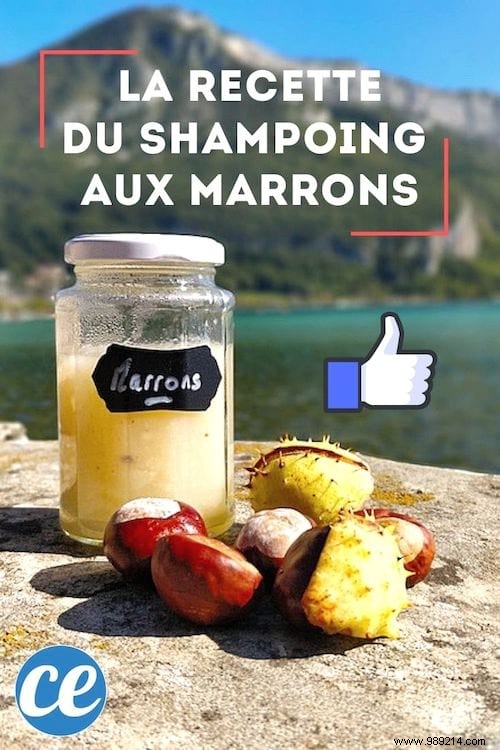
Use the shower gel recipe as shampoo, or customize: rosemary for hair loss, orange for oily hair, flax seeds for dry scalp instead of psyllium. Recipe details here.
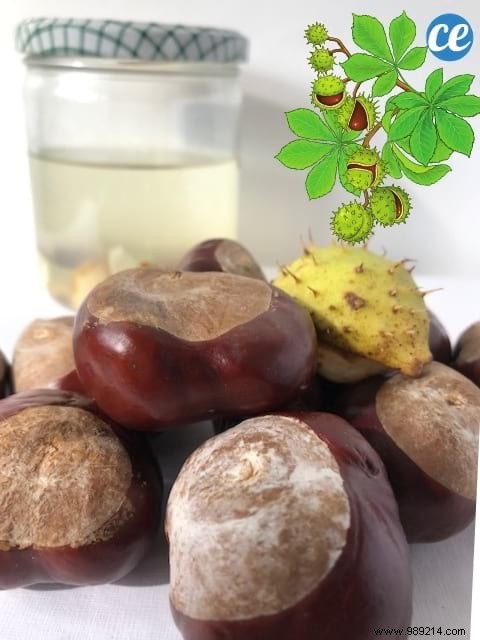
This infusion eases varicose veins, swollen feet, eczema, joint pain, and rheumatism. Fill jar halfway with chopped peeled chestnuts and juniper berries, top with vodka. Infuse 3 weeks warm, strain into dark bottle.
Dilute 10 drops in water, 3x daily for 14 days to support circulation. Consult a doctor for medical use.
Horse chestnut saponins deter aphids naturally. Infuse 15 halved (or powdered) chestnuts in 1 liter water, boil, simmer 30 minutes. Cool, strain, spray on plants.
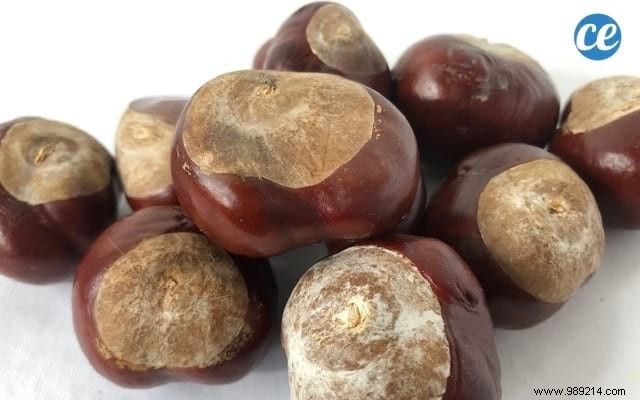
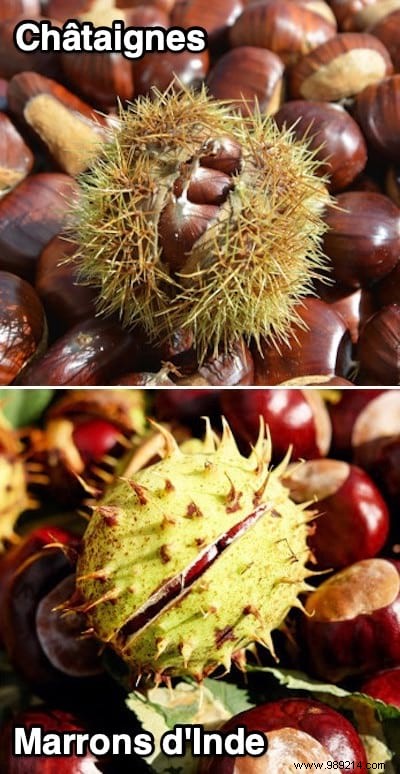
Warning: Use only NON-EDIBLE horse chestnuts (Aesculus hippocastanum). Clean tools thoroughly after prep.
Horse chestnuts are round and shiny; sweet chestnuts are smaller, flattened, triangular. Both in spiky husks: horse chestnut husks resemble sea urchins with fine, directional spines; sweet chestnut husks have fewer, coarser spikes. Single fruit in husk? Horse chestnut. Multiple separated by skin? Sweet chestnuts.
