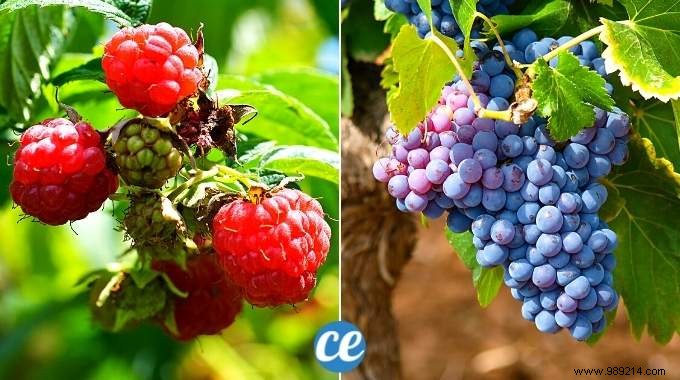
Looking to install a hedge around your property? Why not choose fruit-bearing shrubs that deliver fresh produce right at your doorstep?
A hedge isn't just a line of plain shrubs separating plots. The best ones mix colors, shapes, and heights for dense, attractive coverage. Even better if they yield delicious berries too!
Since planting my own edible fruit hedge, I've harvested fresh yields from May to October, while enjoying vibrant spring blooms and stunning fall colors.
Here are 10 top fruit shrubs for hedges, based on years of hands-on gardening experience:
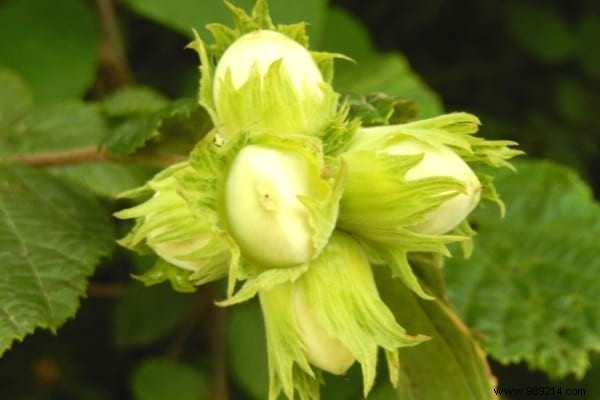
The hazelnut is a classic choice for hedges, offering lush, dense green foliage.
Its standout feature? Nutritious hazelnuts ready from late July, as the old saying goes: "At St. Magdalene's, the hazelnuts are plump."
Thrives in full sun or partial shade, cold-hardy, and reliable for both function and beauty. For variety, try the contorted hazelnut with its twisting branches and heavy yields.
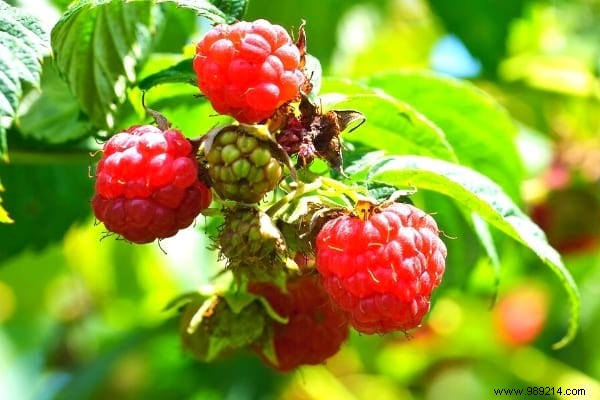
This light green bush is ideal for garden edges, reaching about 1.5m with effortless annual regrowth.
Varieties in pink or yellow produce abundantly from late May into autumn. Trust me, the taste is unbeatable!
Remarkably tough, it self-propagates vigorously – sometimes too much, but that's easy to manage.
Related read: How to Boost Raspberry Yields Naturally.
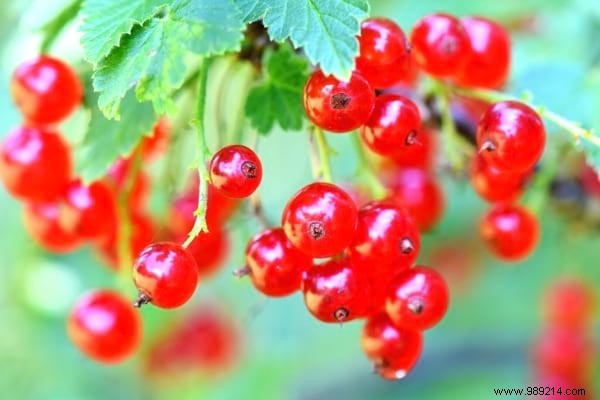
Like raspberries, gooseberries form compact 1.5m shrubs with thick foliage.
Adaptable to any soil, they handle summer heat and winter chills. Spring flowers dazzle, fruits ripen June to August, and autumn leaves turn golden.
A budget-saver compared to store prices for these gems!
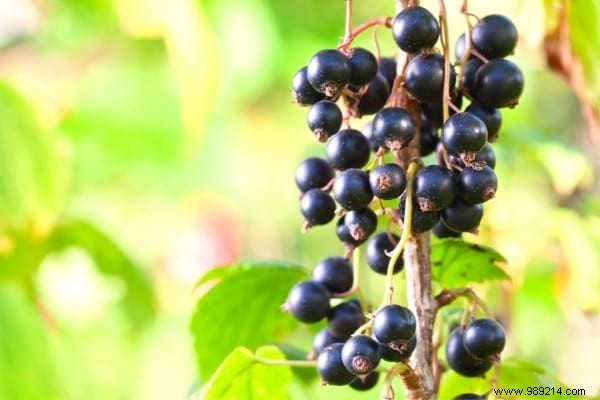
Similar to gooseberries, blackcurrants are mid-sized shrubs with bright green leaves.
Low-maintenance, heat- and cold-tolerant – just shelter from strong winds.
Expect large, sweet black berries from year one.
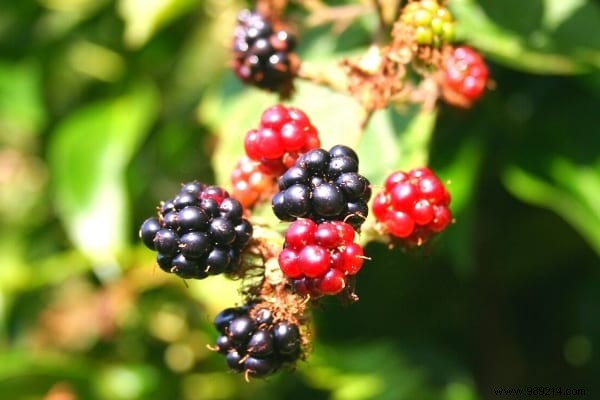
Perfect for a red-fruit hedge, modern thornless, non-invasive mulberries excel.
Bred for superior fruit, train branches over wires or fences.
Hardy through winters and hot summers (with watering), yielding sweet black fruits July to November in milder climates.
Note the raspberry-mulberry hybrid variety called "mulberry."
Related read: 10 Tips for Growing Luscious Blackberries.
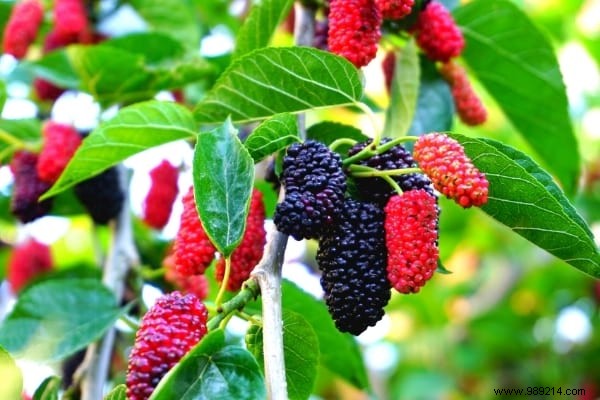
This small tree hits 3m, adding height to hedges.
Palm-like leaves emerge light green in spring, turning golden in fall – a colorful standout.
Elongated blackberry-like fruits ripen late May to September. Avoid patios, as falling fruits stain.
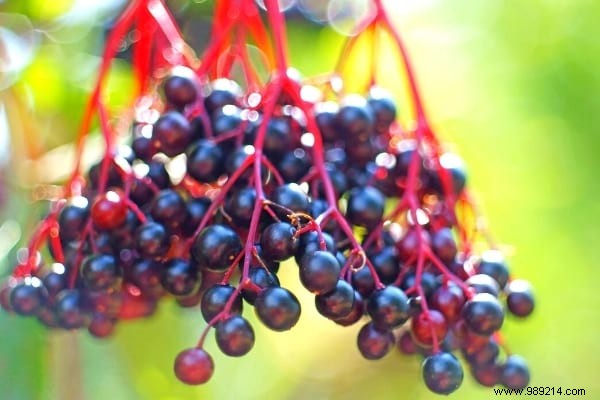
Elderberry brings vertical interest with spring white flower clusters and late-summer black berry bunches.
Renowned for health benefits: elderflower tea for UTIs, leaf poultices for eczema, cooked fruits for jams or syrups.
Caution: raw berries are toxic and stain heavily.
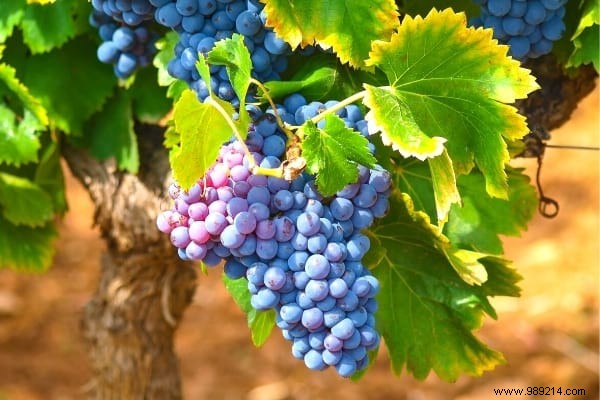
Incorporate vines for dramatic flair – train along fences or trellises.
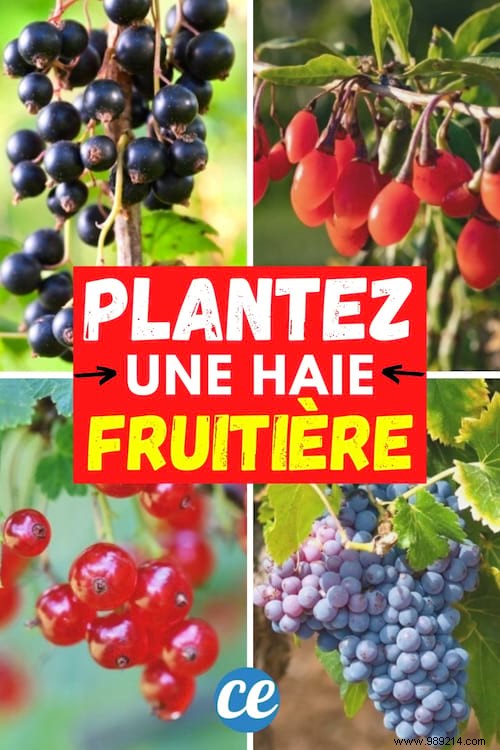
Serrated light-green leaves shine in sun; harvest grape clusters from late summer to frost.
A smart, cost-effective garden addition.
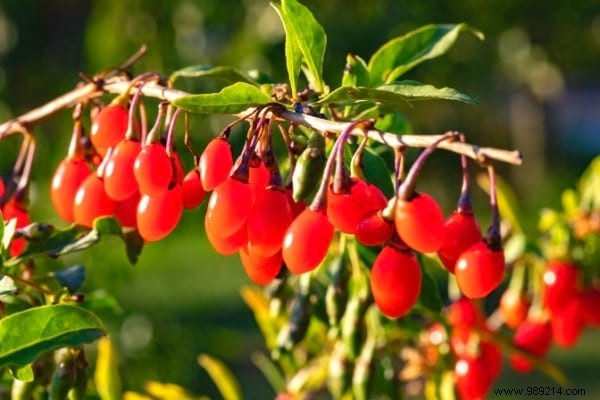
Goji berries ("fruit of happiness") are small reds, eaten fresh or dried, with pretty purple spring flowers.
The goji shrub grows easily to 2m, fruits from year one with good water, prefers full sun and open space – ideal at hedge ends.
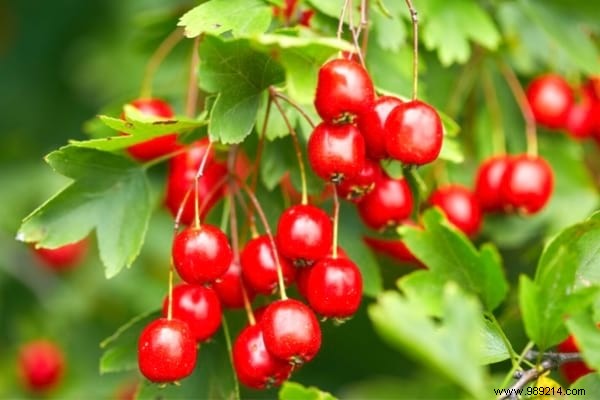
Hawthorn provides dense structure with light-green foliage and spring white/pink flowers.
Fall brings red haws (cenelles) for jellies, jams, syrups, or liqueurs – apple-like flavor. Flowers and leaves make herbal teas.
Prune to control height.
- Space plants at least 80 cm apart.
- Account for growth: 80 cm from neighbor's wall; 2 m for plants over 2 m tall.
- Plant in fall for fruit the next summer.
- Limited space? Choose dwarf varieties.
