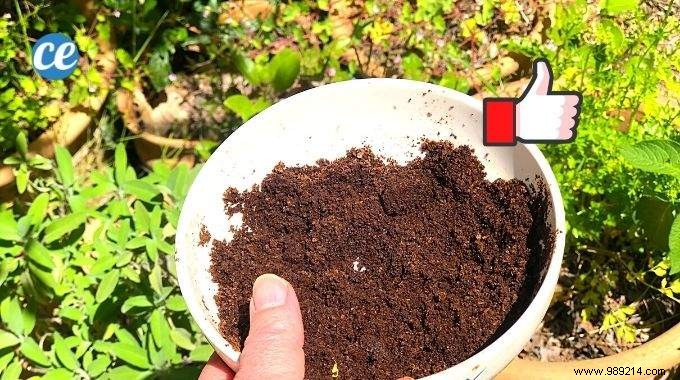
If you enjoy coffee daily, don't toss those grounds—they're a garden powerhouse. As a gardener with years of hands-on experience, I've transformed this everyday waste into a nutrient boost for my plants, from veggies to flowers.
Coffee grounds deliver slow-release nitrogen, improve soil structure for better drainage and aeration, and even help retain moisture. Whether in veggie patches, pots, or flower beds, they're a free, eco-friendly win. Here's how I put them to work across my garden:
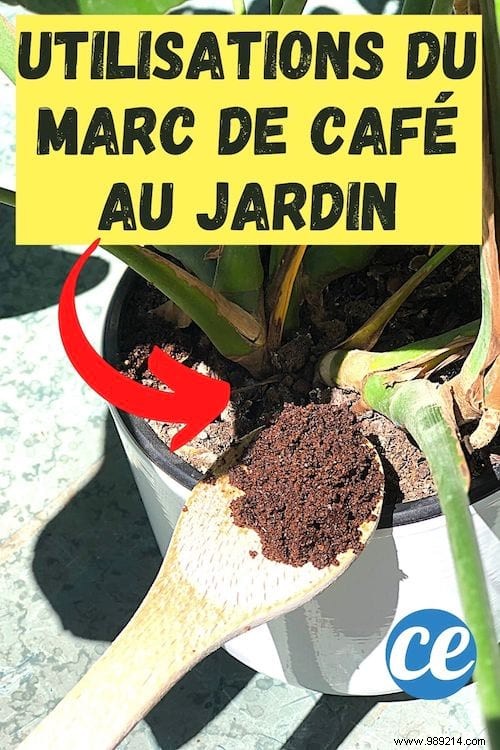
Simple natural amendments can quickly enhance soil quality—often in weeks. Compost is a top choice, typically from shredded leaves or kitchen scraps. But don't overlook coffee grounds: they're an easy, cost-free way to enrich and aerate soil.
Your coffee-drinking friends or local café will gladly share extras if you don't brew it yourself.
Coffee grounds provide slow-release nitrogen, essential for vibrant blooms and bountiful veggie yields. They also enhance soil structure, promoting better drainage, aeration, and water retention—key for thriving plants.
Now, discover my top 5 uses based on real results in my garden.
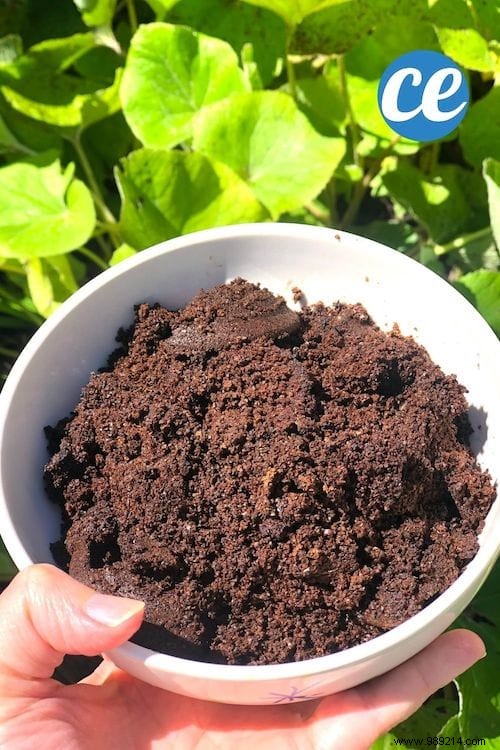
In my veggie garden, coffee grounds are a staple. At planting, I mix a few tablespoons into each hole for tomatoes, eggplants, and strawberries—a time-tested permaculture method. Blend with crushed eggshells and compost for an instant nutrient hit.
For established plants, I sprinkle grounds around stems. They release nutrients gradually and deter slugs with their coarse texture, which slugs can't cross easily. It's not foolproof but far better than chemicals.
To discover: 13 Natural Tricks Against Slugs That Really Work.
For potted plants, coffee grounds make an ideal slow-release fertilizer. Alongside worm castings, I add a few tablespoons per pot, refreshing monthly. Watering draws nutrients to the roots steadily.
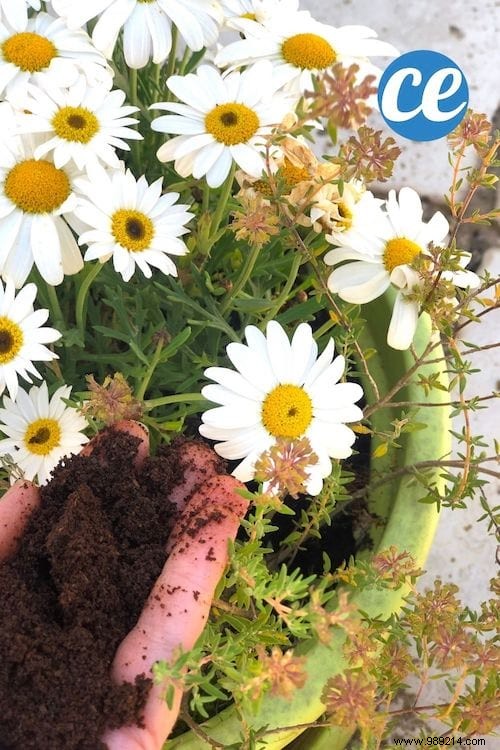
Annuals like geraniums love them: add to planting holes for season-long beauty, with ongoing release. Sprinkle around bases for roses, hydrangeas, or lawns too. They may also help repel aphids.
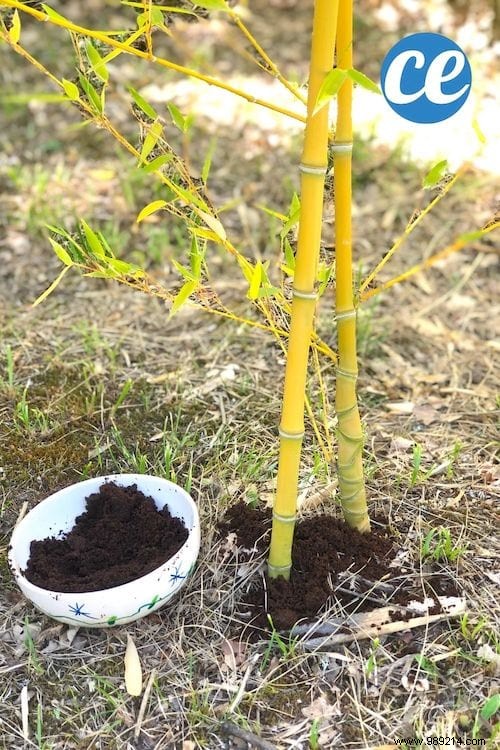
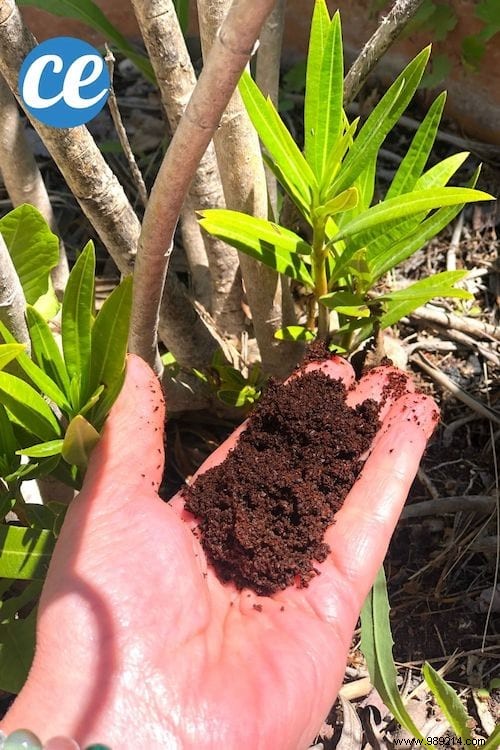
Perennials, shrubs, and trees benefit similarly. Mix into planting holes for gradual feeding and airy soil. For established ones, dump 1-2 filter's worth around the base—biodegradable filters simplify dosing and break down slowly.
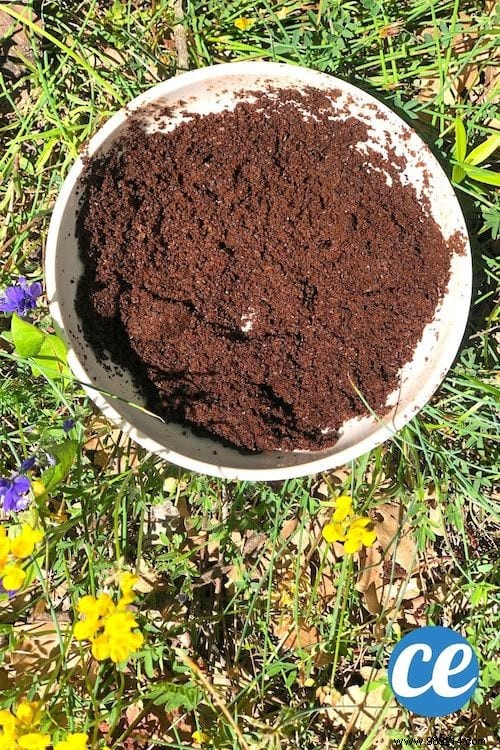
I use grounds year-round, but in winter, they supercharge the compost as a 'green' material, heating it up for faster breakdown. Toss in the filter and watch decomposition accelerate.
To discover: How to Make Good Compost? The Easy Guide For Beginners.
