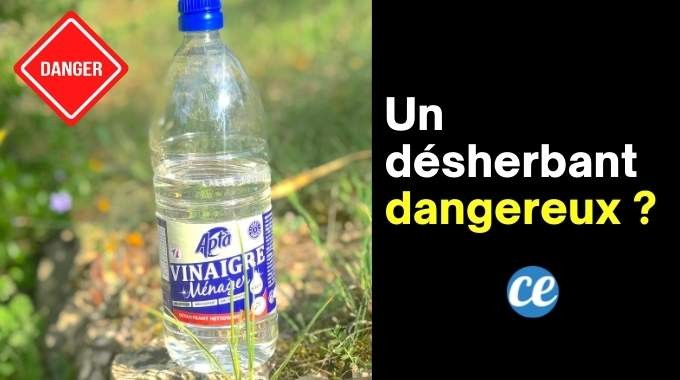
White vinegar is a household staple celebrated for its versatility in cleaning and natural remedies. Many gardeners turn to it as a weed killer alternative to chemical pesticides.
But does it truly work, and is it safe for your garden soil? As a seasoned gardener who avoids both pesticides and vinegar in my own yard, I'll break down the facts based on research and real-world experience.
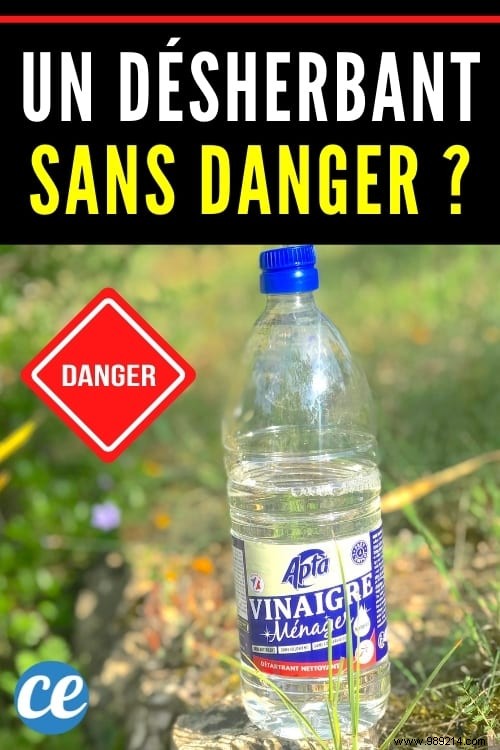
In theory, using white vinegar as a natural weed killer sounds ideal—ditching harsh chemicals like Roundup for something from your kitchen. The intent is spot on.
However, this approach carries risks. Gardening advice, even for 'organic' options, often overlooks downsides. Natural doesn't always mean harmless to the environment, as I've learned through years of hands-on gardening without chemicals or vinegar.

White vinegar excels against young shoots and tender weeds, making it suitable for cracks in paths or patios.
It's less effective on perennials with deep roots, which regrow without root destruction—the key to permanent control.
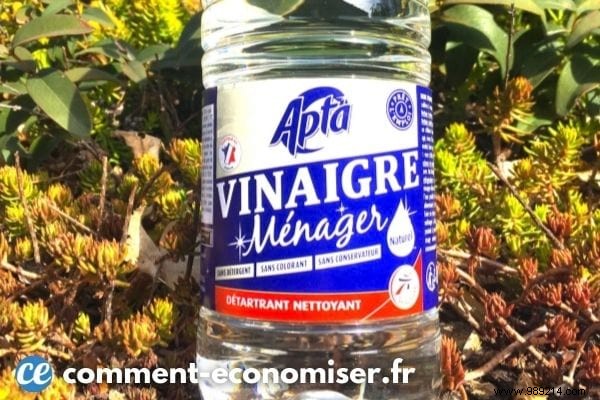
White vinegar's weed-killing power comes from acetic acid, produced via bacterial fermentation (like in apple cider vinegar) or industrially from ethanol.
Food-grade white vinegar from supermarkets has 5-10% acetic acid, sufficient only for tender weeds.
For tougher perennials, stronger horticultural vinegar (20% acetic acid) is needed—but it's far less eco-friendly, acting as a true herbicide.

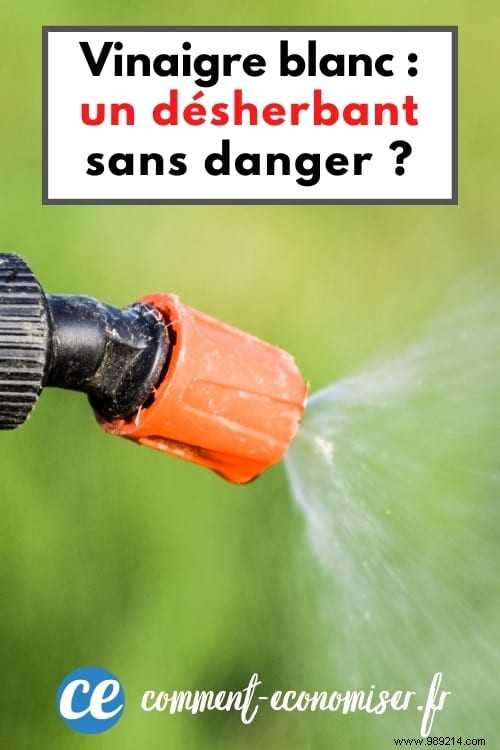
No, white vinegar isn't entirely safe as a weed killer, especially at higher concentrations. It's a contact herbicide, burning plant foliage within 24 hours but sparing roots.
This superficial kill often leads to regrowth, prompting overuse. Botanist Dr. Jeff Gillman, author of The Truth About Garden Remedies, warns of this cycle.

Gardeners may escalate to 20% vinegar, ignoring 'danger' labels focused on the 'white vinegar' branding, risking soil health.
High-strength white vinegar poses serious hazards:
- Over 11% acetic acid: skin burns and eye damage.
- Over 20%: corrosive to metals, concrete; can cause blindness.
Treat it like any herbicide: use goggles and protective gear.
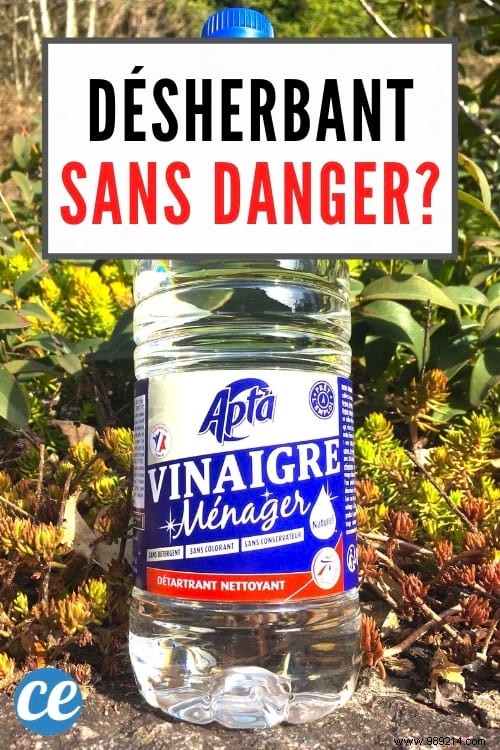
It threatens garden wildlife—insects, birds, amphibians hiding under weeds. Dr. Gillman notes it's okay for tiny tender shoots with 5% vinegar, but otherwise, opt for manual removal.
Regular use acidifies soil by lowering pH, hindering nutrient uptake and plant health.

Wisely cautious? Limit vinegar to 5-8% on tender weeds. Better chemical-free options include:
- Mulching or timing soil work.
- Hand weeding (my and Dr. Gillman's go-to).
- Newspaper layers to block light.
- Boiling water or steam weeding.
These are more reliable and planet-friendly.
