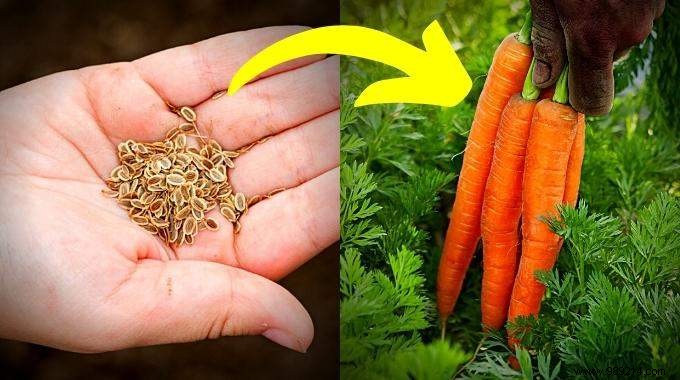
Picture harvesting fresh, crisp carrots from your garden any time of year. With my years of hands-on gardening experience, I've mastered growing them reliably, even in challenging climates. Carrots thrive between 7°C and 29°C, perfect for year-round production—including winter in a greenhouse. In under two months, you'll savor your first homegrown bounty. Here's my trusted 5-step guide to stunning results.
 Contents
 Opt for early-maturing varieties for quicker results:
Sand carrots germinate slowly and need winter protection. Shield seedlings from birds and heavy rain using burlap. If temps drop below 5°C or frost hits, move to a greenhouse. Carrots hate transplanting—sow directly in their final spot and keep soil moist for fast germination and steady growth.
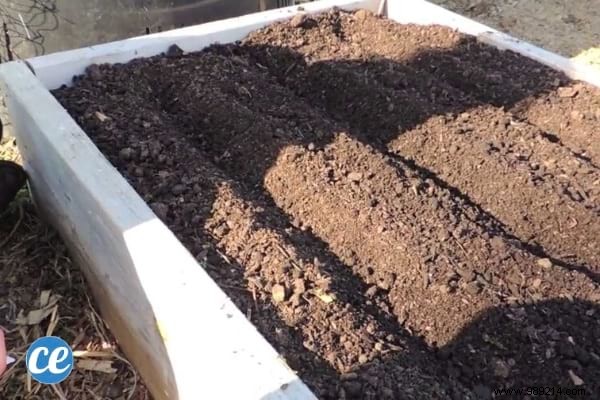
Carrots adore loose, sandy soil. If that's your garden type, just remove stones and create small raised mounds. Aerate deeply with a pitchfork, breaking up clods.
For clay soil, mix in sand and compost to improve drainage. Apply a phosphorus-rich natural fertilizer like wood ash, coffee grounds, fish bone meal, or seaweed—never nitrogen-heavy manure, which boosts leaves over roots.
Water thoroughly, then let rest 1-2 days before sowing. Pro tip: Grow carrots in pots on patios or balconies, or indoors in cooler climates.
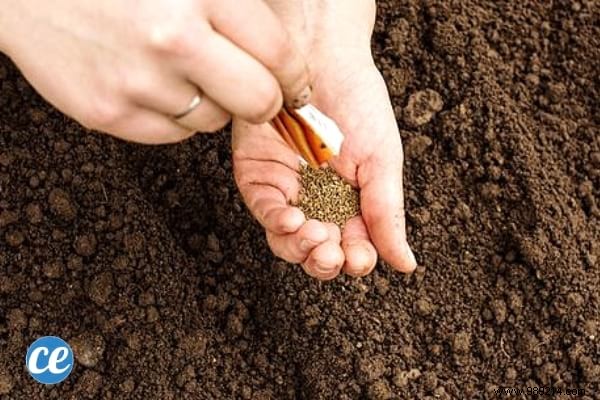
Carrot seeds are tiny, so mix with sand in your palm for even sowing—you'll see exactly where they've landed.
Alternatively, use seed tape for perfect spacing, skipping later thinning. Rake 2 cm deep furrows, rows 30 cm apart. Sow every 2.5 cm on mounds for better drainage.
Top lightly with 0.5 cm moss, peat, or potting soil, then tamp gently. This ensures seed-to-soil contact for reliable germination.
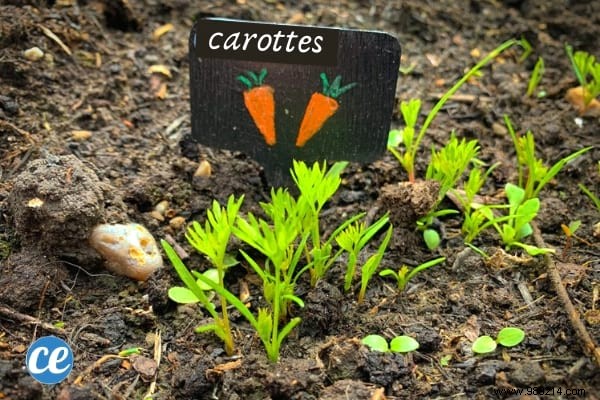
Shallow-sown seeds need safeguarding from pounding rain—use a protective veil.
In hot, dry spells, cover rows with moistened burlap to retain humidity. Check every 2 days; remove once seeds sprout.
Below 7°C? Add hessian or plastic sheeting for a mini-greenhouse effect.
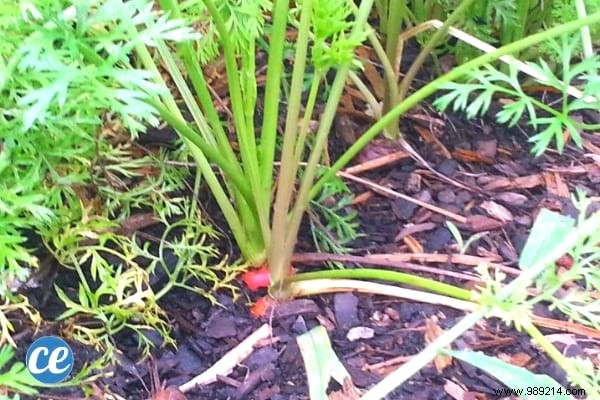
Maintain even moisture for germination. Spray soil 1-2 times daily the first two weeks—never let it dry.
Continue until roots establish, then water as needed. Roots follow water deeper. Watch for wilting leaves or dry soil beyond 7 cm—time to water. Weed regularly to prevent competition for moisture and space.
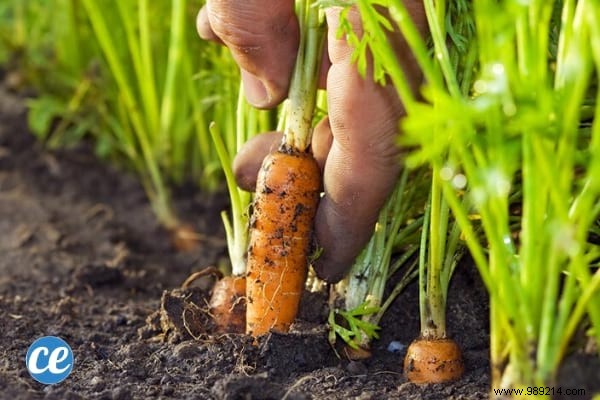
Space baby carrots 2.5 cm apart to avoid crowding. Thin extras by snipping at soil level before roots swell—eat the greens in salads!
Harvest when red crowns peek above ground. Pull young ones for salads (sweet at 4 cm diameter) or let mature longer. Loosen soil first, then tug gently.
Expert advice: Mix varieties—purple, yellow, white—for color and staggered harvests all summer. Rotate crops; avoid same spot for 3-4 years. Sow March/April for summer, May/June for fall.
