
Is oxalis, also known as wood sorrel or false clover, taking over your garden or veggie patch? As a seasoned gardener with years of experience battling invasive weeds, I'll share proven strategies to control and eradicate it effectively.
This persistent weed spreads quickly, but with the right approach, you can reclaim your space naturally.
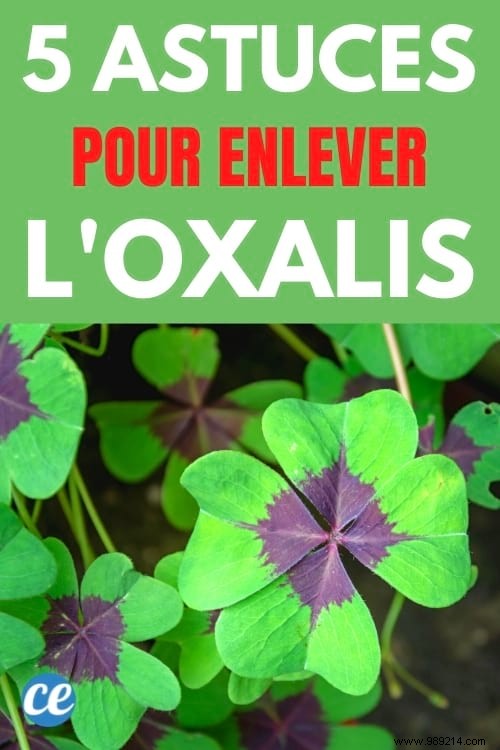
First, let's identify it: oxalis resembles a heart-shaped three-leaf clover with yellow, white, or pink flowers. It's attractive but highly invasive.
Here are 5 simple, natural, and effective methods to control and remove oxalis from your garden. Let's dive in:

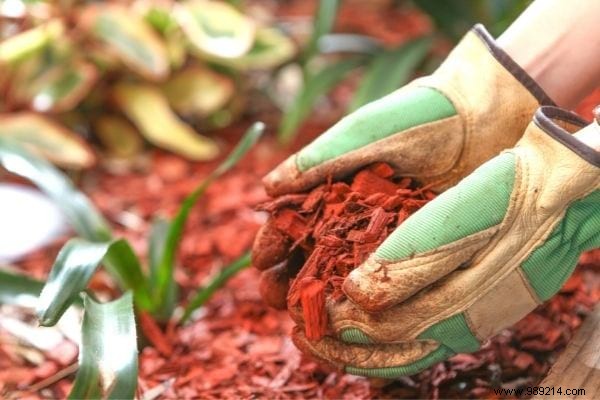
Oxalis entrenched in your veggie garden? Mulching is my go-to solution—simple, effective, and multifunctional.
It retains soil moisture, protects against temperature extremes, and suppresses weeds like oxalis.
Thicker layers work best, at least 10 cm deep. Use wood chips or green waste for optimal results, based on what I've seen in my own plots.

Oxalis hates heat—a key vulnerability I've exploited successfully.
The top choice is a thermal weeder, which destroys it instantly. No tool? Pour hot cooking water from veggies or pasta directly on the plants.

Deprive oxalis of sunlight, and it withers. Cover infested areas with a black tarp.
Plants die off in days; then remove roots. This chemical-free method is incredibly reliable in my experience.

A classic, natural alternative to chemicals: white vinegar. Spray directly on leaves on a sunny day.
Its acidity burns the foliage. Once dry, pull the roots. Far safer than glyphosate.
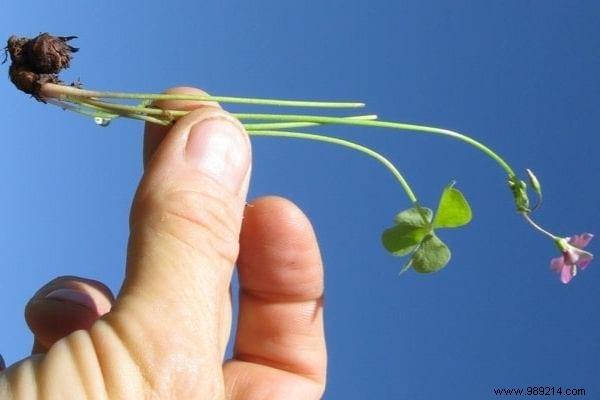
The most eco-friendly method: manual weeding. Grab sturdy gloves and patience, then pull roots intact.
Do it after rain when soil is soft—roots release easily, as I've learned through trial and error.
Don't be fooled—oxalis mimics clover but has heart-shaped leaves.
This ground cover thrives in moist, shady spots, turning invasive fast. Leaves are green or purple; flowers white, yellow, or pink.
Varieties include Oxalis corniculata (summer bloomer) and Oxalis acetosella (spring only). Sold as ornamentals, but keep potted!

Absolutely—oxalis (wild sheep's sorrel) is edible with a tangy flavor perfect for cuisine.
Harvest leaves April to October for salads, herb garnishes, or cooked like spinach in quiches and pies. Chop over salmon or meats, or decorate desserts with leaves and flowers.
Weeds aren't all bad!
- Extract the full root system.
- Remove small bulbs, which cause regrowth each spring.
- Avoid chopping bulbs with tools like spades—it multiplies them.
- Gently sift soil to remove bulbils one by one. Time-consuming but chemical-free.
- Alternatively, repeatedly prune leaves to exhaust the plant over time.
