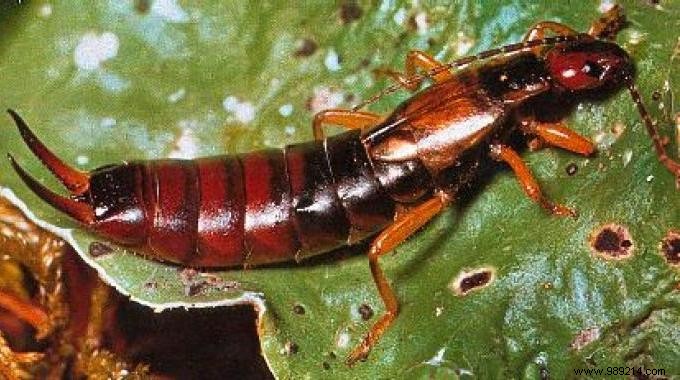
Earwigs invading your home or garden? As a seasoned gardener with years of experience managing common pests, I can assure you these nocturnal insects are harmless to humans despite their intimidating pincers, called cerci. These forceps, located at the abdomen's end, are used for defense and handling prey—not for pinching people or crawling into ears, contrary to old myths.
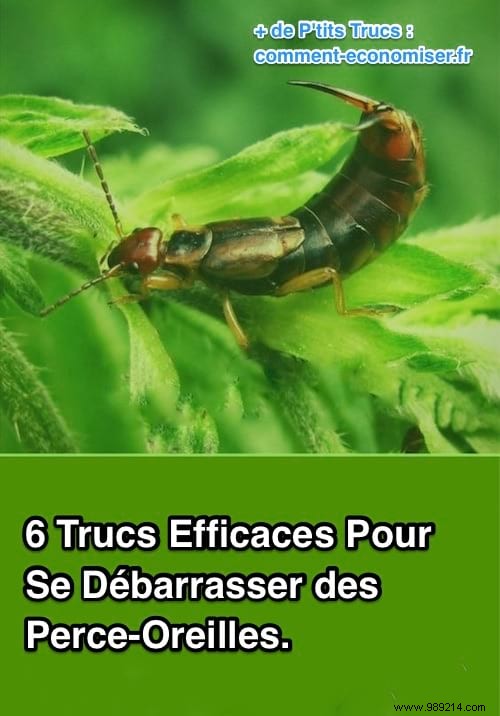
Earwigs thrive in dark, damp spots like cracks, under stones, leaf piles, and plants. While they help control aphids, large numbers can damage ripening fruits like peaches, plums, and apricots, or even vegetable leaves during shortages.
Though harmless, earwigs can be unsettling. Drawing from reliable, time-tested methods I've used successfully in my own garden, here are simple, natural traps targeting their love for moist, hidden shelters.
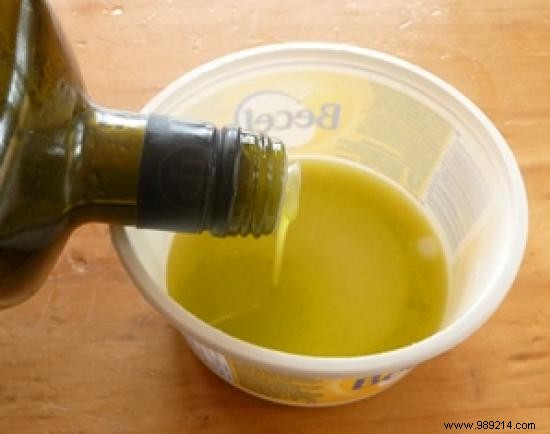
Earwigs are drawn to oils. Fill shallow containers—like tuna cans, yogurt pots, or jar lids—with 2 cm of vegetable oil (even used cooking oil works). Bury them level with the soil in active areas such as gardens, patios, or veggie patches. The pests fall in and drown. For variety, try fruit juice residues or peanut butter. This method delivers impressive results, as shown in practical demonstrations.
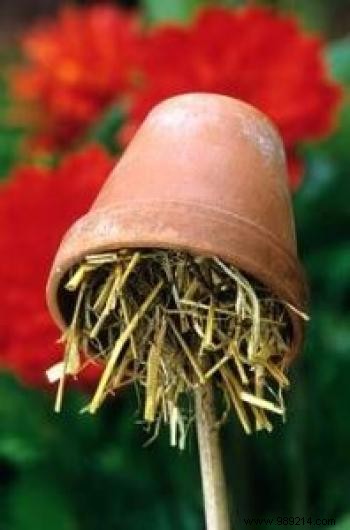
Stuff a clay flowerpot with damp straw or newspaper. Invert it on the ground, propping it slightly with sticks or a central rod to create entry gaps. Earwigs shelter inside overnight. In the morning, lift, shake out the contents, and dispose far from your property.
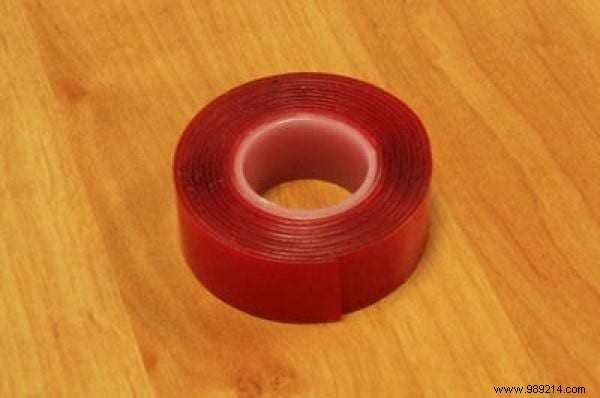
Apply double-sided tape strips along their pathways in the evening. Alternatively, use commercial sticky traps designed for insects like cockroaches and spiders for reliable capture.

Roll damp newspaper loosely, secure with a rubber band, and place near hiding spots like pots or garden beds. Collect in the morning, shake over a bucket of soapy water, or burn in a fireplace. For reusability, bundle cut garden hose pieces instead.
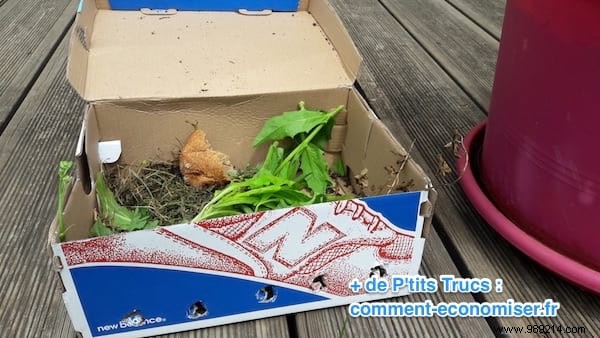
Poke holes near the base of a lidded cardboard box. Bait inside with decaying plants or food scraps, seal for darkness, and position overnight. Dispose of contents in the morning.

This safe, fossilized algae powder is a non-toxic insecticide trusted by organic gardeners for decades. Its sharp microcrystals dehydrate crawling insects. Sprinkle liberally around entry points and pathways.
Earwigs prey on aphids, so moderate populations benefit gardens. They're omnivores favoring soft, decaying matter but turning to produce when needed.
Indoors, they seek forgotten food or moisture, entering via cracks, clothing, or furniture. Target damp, dark nooks with the above traps.
Eliminate attractions: clear decaying vegetation, leaves, and debris. Seal cracks around doors, windows, and faucets; install or repair screens. These steps keep your space earwig-free long-term.
