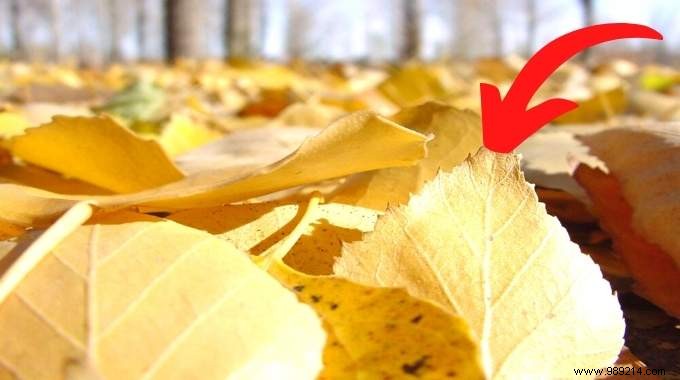
As a seasoned gardener with years of hands-on experience, I'm sharing my top tips on reusing fallen leaves. Those vibrant autumn leaves may look beautiful, but once they blanket your lawn, they need thoughtful handling.
Skip the garden bags and disposal—instead, transform them into garden gold. From mulch and fertilizer to wildlife habitats, these leaves offer endless value. Here's how to make the most of them with 14 practical, time-tested methods. Watch and learn:
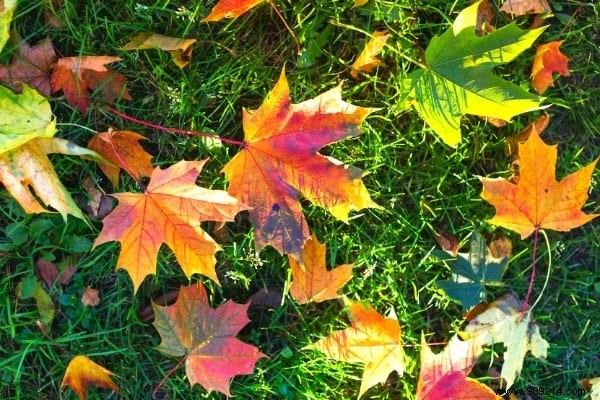
Collecting fallen leaves from your garden is essential for several proven reasons, drawn from my own yard maintenance over the years.
Thick layers smother lawns, blocking sunlight, air, and water, leading to mushrooms, moss, and pests. Wet leaves mat down and suffocate grass.
Certain leaves also harbor diseases like horse chestnut leaf miner, apple monilia, or peach leaf curl. Spot suspicious markings? Isolate them immediately.
If you have pets, like my dog who loves rolling in leaf piles, watch out—they're tick and flea hotspots.
Most importantly, leaves are premium organic matter that enriches soil with nutrients. Don't waste them—they're free fertilizer!
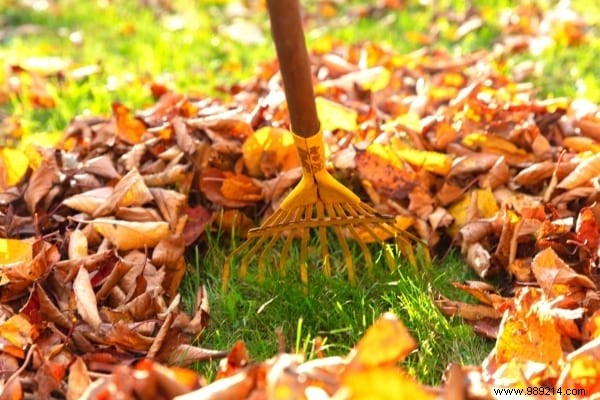
Regular collection prevents issues. Gather them promptly before they rot, based on my reliable routine.
A sturdy lawn rake is my go-to—its teeth lift leaves gently without damaging grass. For aeration and moss removal, opt for a dethatching rake.
Mulching mowers shred piles efficiently. Leaf blowers work but are noisy, heavy, polluting, and disturb beneficial insects—I've phased them out.
Never burn leaves; it's harmful to air quality and health.
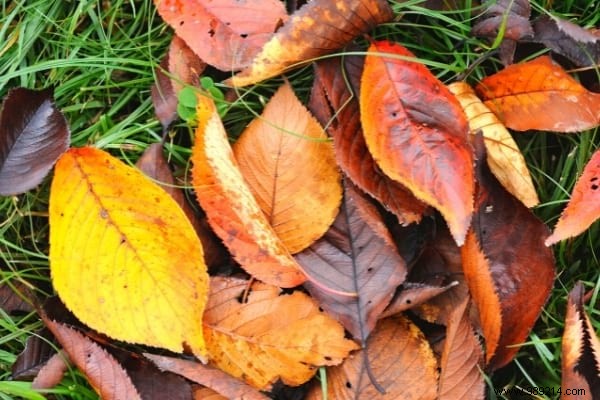
Exercise caution: some leaves harm other plants. Walnut leaves contain juglone, a growth inhibitor.
Diseased leaves with mildew or spots spread pathogens rapidly—dispose of them in the trash, as I always do.
Healthy leaves? Pure garden treasure.
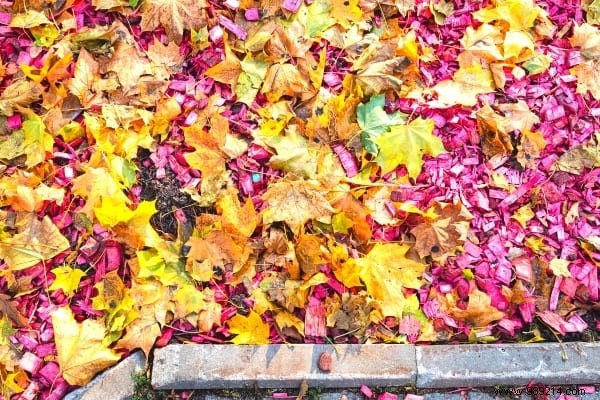
Winter protection is key for tender plants. Apply 10-20 cm of shredded leaves as mulch at their bases—it insulates roots while decomposing into nutrients like potash, nitrogen, and calcium.
Water to settle, use netting in windy spots. Dual benefit: frost shield and soil feeder.
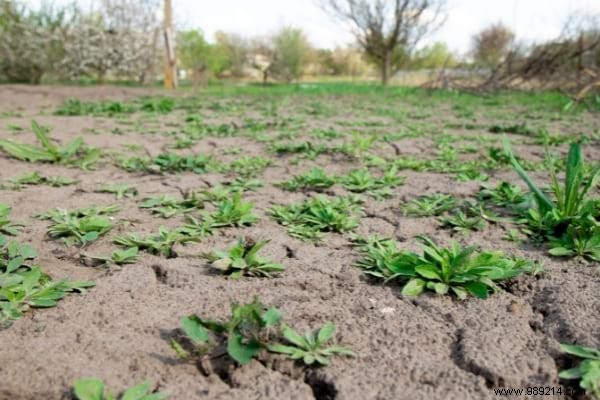
Bare winter soil invites weeds. Loosely cover exposed areas with leaves around beds and paths to block growth without compaction.
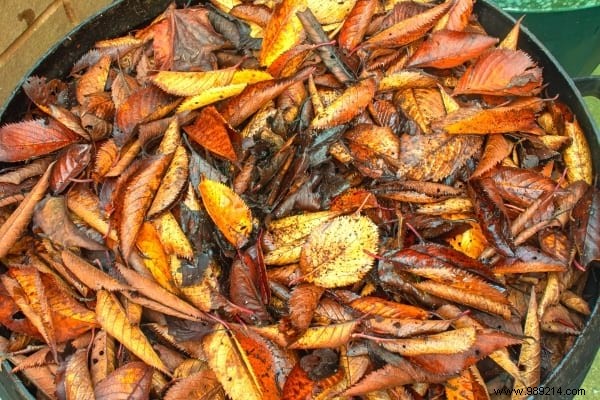
Shred and mix leaves into compost for balance—pair brown leaves with green clippings like grass. Seal the bin for optimal fermentation into nutrient-rich humus.
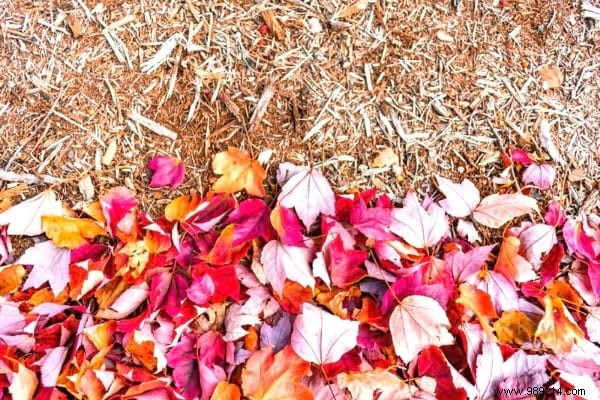
Layer 10-20 cm between rows—protects soil, feeds microbes, and lets earthworms aerate. Lightly cover with soil to anchor.
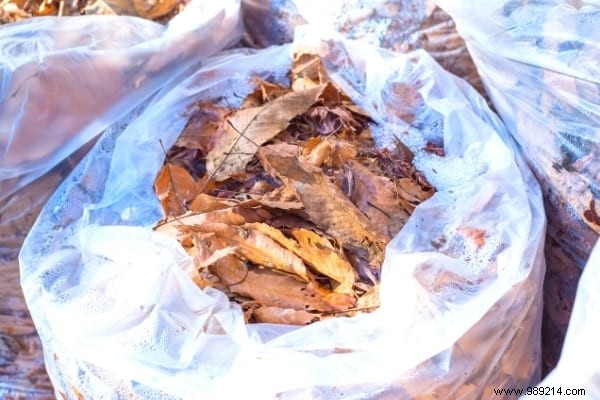
Bag shredded dry leaves loosely, poke holes, water monthly. After a year, harvest free, premium potting mix.
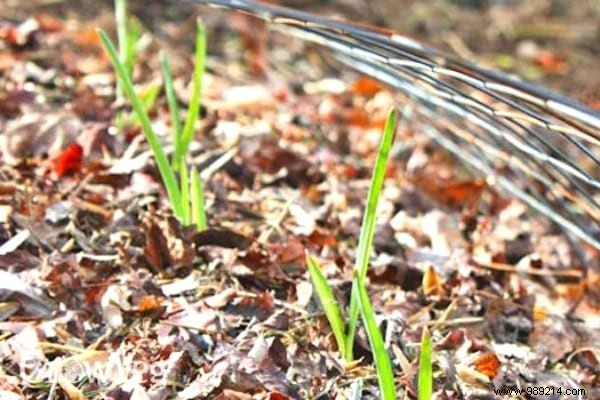
Heap leaves around bases for insulation; ventilate to avoid rot. For pots, enclose in wire fencing filled with leaves. Store veggies in crates layered with leaves instead of sawdust.
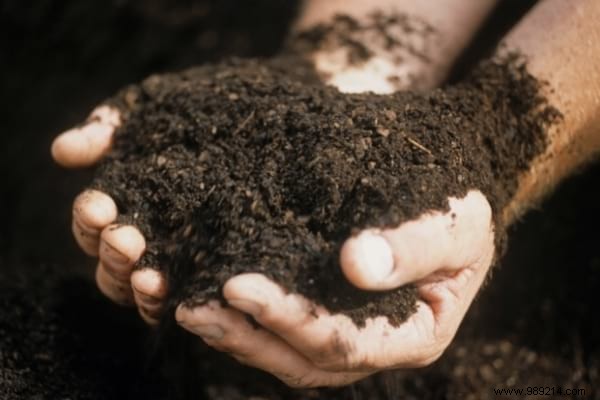
Store leaves in a bin for 18-24 months. Decomposition yields rich, homemade fertilizer—no store-bought needed.

Pile leaves in quiet corners to shelter hedgehogs, frogs, and insects—fostering biodiversity in your garden ecosystem.
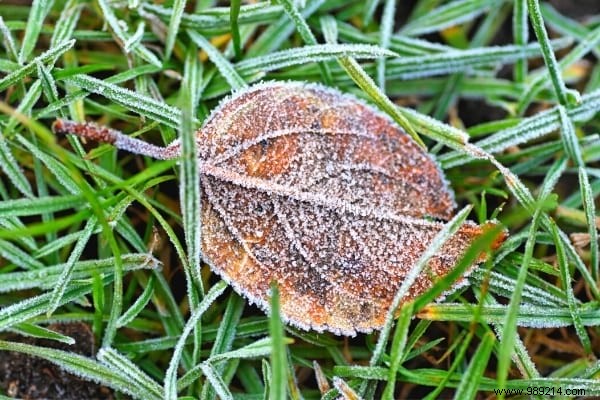
After frost ruined my gunnera and tulips two years ago, I now trellis and fill with leaves around vulnerable plants. Remove in spring.
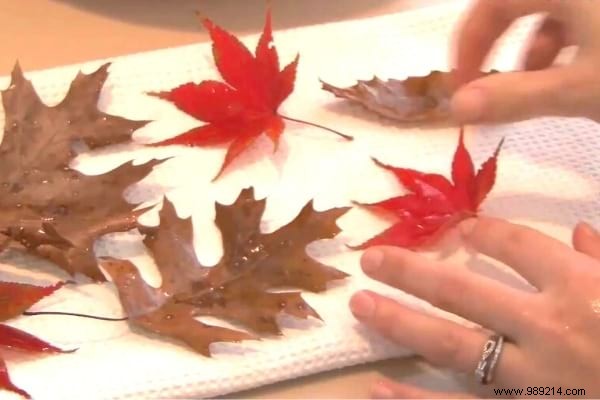
Press clean leaves between kraft paper and iron flat. Frame, herbarium, or under glass for stunning, natural decor—even dye for color.
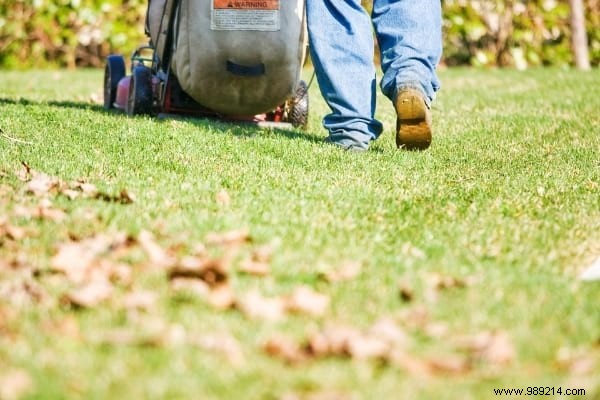
Mulch-mow leaves finely to nourish grass without smothering. High-cut regular mowing works too—decomposes into lawn food.
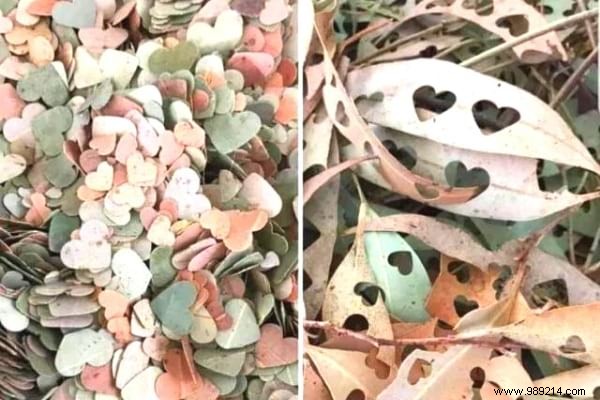
Punch shapes from leaves for eco-friendly party confetti—hearts, stars, unlimited supply!
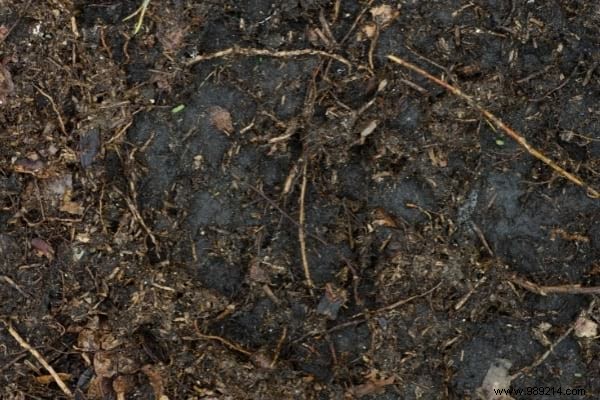
Pile, wet, trample, add soil seasonally. By spring, rich humus ready for shrubs and beds.
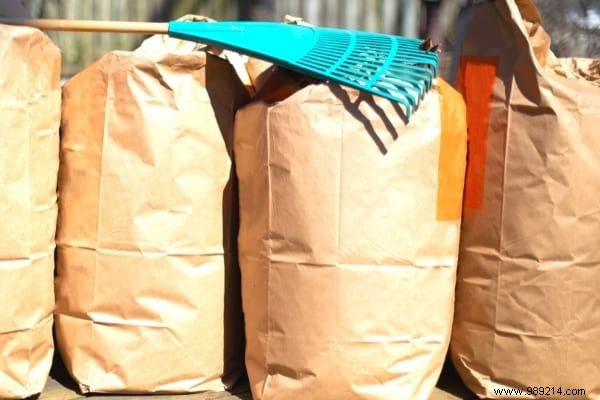
Stuff dry leaves into bags for free insulation in garages, sheds, or basements—effective winter warmth.
