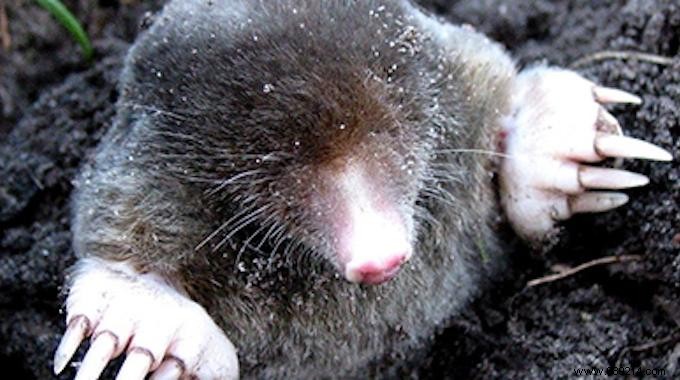
You've poured time and effort into crafting a lush, green lawn, only to see it disrupted by moles tunneling underneath?
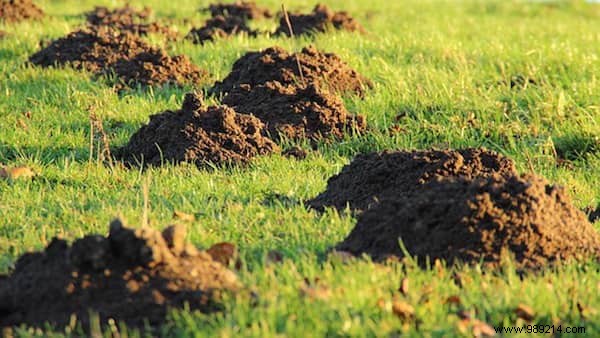
Their mounds scatter across your garden, ruining the pristine look.
The frustration is real—we get it. As experienced gardeners, we've been there.
Good news: here are 7 effective, natural ways to deter moles without toxic chemicals. These methods are safe, eco-friendly, and backed by real-world results. Let's dive in:
Got a dog? Collect its shed hair and sprinkle it into molehills. The scent drives moles away effectively—a simple, pet-friendly trick we've seen work in home gardens.
Moles detest elderberry. Plant it around infested areas for natural deterrence. No elderberry on hand? You can get elderberry seeds here.
Pour undiluted elder manure directly into tunnels. Make your own: Fill a plastic bucket with 1 kg fresh elder leaves and 10 liters rainwater. Macerate for 10 days, stirring daily until bubbles stop. Apply straight to galleries for best results.
Certain bulbs repel moles with their strong scents, including fritillaries, euphorbias, imperial fritillary, hyacinths, daffodils, onions, garlic, and castor. Plant them strategically to protect your garden borders.
Castor cake is a potent natural fertilizer and repellent against moles, field mice, voles, and insects. Use it to enrich soil while deterring pests—ideal for lawns and veggie patches, achieving dual benefits.
These solar-powered stakes emit 300-500 Hz vibrations every 35-40 seconds, covering 400-600 m². From hands-on experience in my parents' garden, they reduce mole activity significantly, though not always 100%.
A free DIY solution: Cut a plastic bottle in half. Insert a stick into a molehill with one half (bottom up) and the other (neck down). Wind through the bottle creates vibrations moles hate. Practical over aesthetics!
1. Skip mothballs—naphthalene is carcinogenic, persistent, and environmentally harmful.
2. Avoid rose branches or crushed glass; moles aren't hemophiliacs, and it's cruel plus ineffective.
3. Steer clear of Euphorbia lathyris: highly toxic, invasive, and unproven against moles—risky around kids and pets.
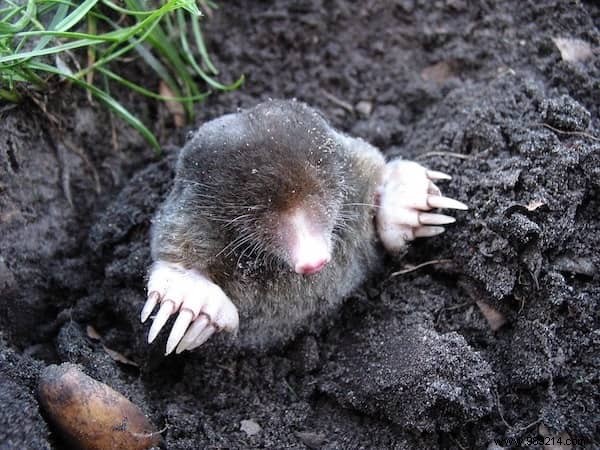
Moles aren't pests—they're insectivores, not rodents that damage roots. Their tunnels aerate soil, improving drainage and plant health.
They devour pests: earthworms, grubs, wireworms, crane fly larvae, cockchafer larvae, and more—up to their body weight daily for a 100g mole.
Eliminating their food source harms soil fertility. Coexistence or gentle deterrence is often best.
