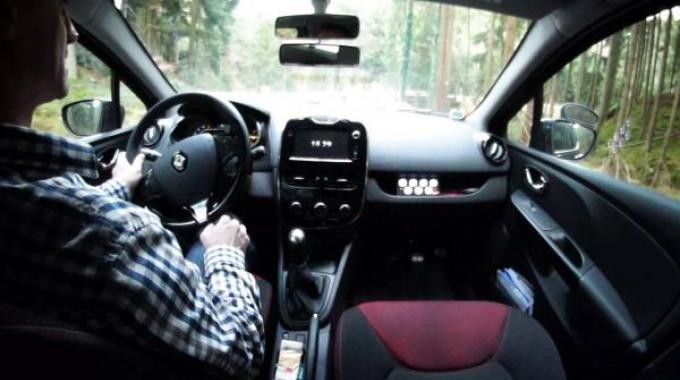
Want to save fuel and improve your driving efficiency? As experienced drivers know, a simple technique can make a big difference in fuel consumption and vehicle control.
Often misunderstood, using engine braking instead of shifting into neutral not only reduces fuel use but also enhances safety.
Here's why it works and how to apply it effectively. Watch the demonstration:
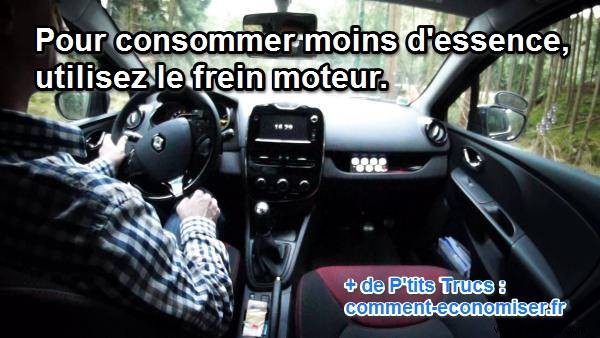
1. On descents, when slowing down, downshift to engage engine braking.
2. Otherwise, simply release the accelerator pedal.
Now you know how to cut fuel costs effortlessly! It's simple, practical, and highly effective.
This habit pays off quickly through real fuel savings. Why not adopt it today?
Engine braking uses your car's engine to slow the vehicle, without touching the brake pedal.
By shifting to a lower gear—such as 3rd instead of 4th—you slow the engine speed, which in turn slows the car.
Most vehicles under 10 years old feature fuel-injected engines. These automatically cut fuel supply during engine braking.
In contrast, shifting to neutral keeps the engine idling, consuming fuel continuously.
Contrary to popular belief, neutral doesn't save gas in modern cars.
Using engine braking, especially downhill, minimizes fuel use, saving you money at the pump.
Bonus: It reduces brake wear, extending their life and further boosting your savings.
Visit the gas station less often and enjoy greater purchasing power.
