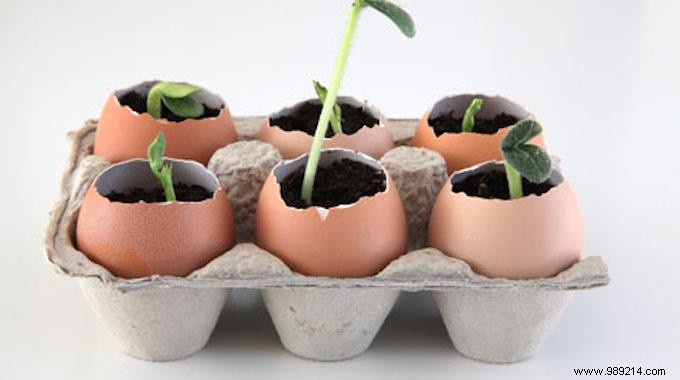
As a seasoned gardener with years of hands-on experience, I've found that germinating seeds at home is far more economical than buying seedlings from a garden center. It can save you nearly 90% of your gardening budget.
But how do you start peas, squash, and tomatoes indoors when outdoor temperatures are still too low? The answer is simple and sustainable: repurposed eggshells.
This proven method uses eggshells as fully biodegradable seedling pots, maximizing savings and minimizing waste during sowing season.
1. Completely biodegradable—plant the whole pot directly into soil.
2. Zero cost—just collect shells from eggs you already eat.
3. Rich in calcium and essential minerals that nourish young plants.
4. Natural and untreated, safe for children and pets.
5. Gain a significant head start on your garden, even in cold weather.
6. Produces sturdier seedlings compared to direct outdoor sowing.
7. Easier monitoring and culling of weak seedlings indoors.
8. Engaging, educational project perfect for kids.
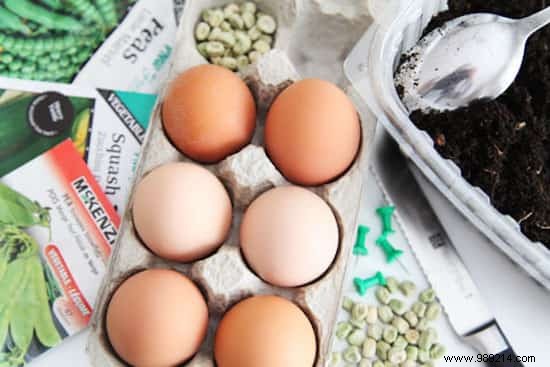
With everyday kitchen items and basic gardening supplies, you can create these pots effortlessly.
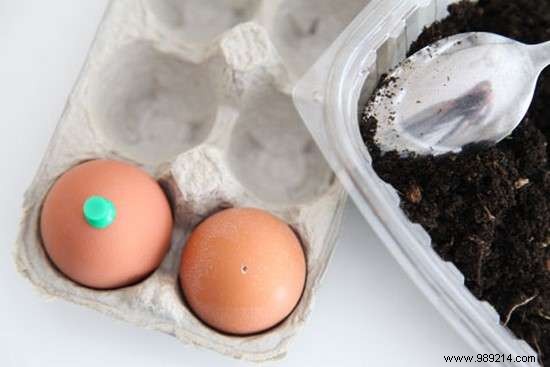
Use a needle or awl to create a small hole in the bottom of each shell, ensuring it's large enough to prevent clogging by soil or roots.
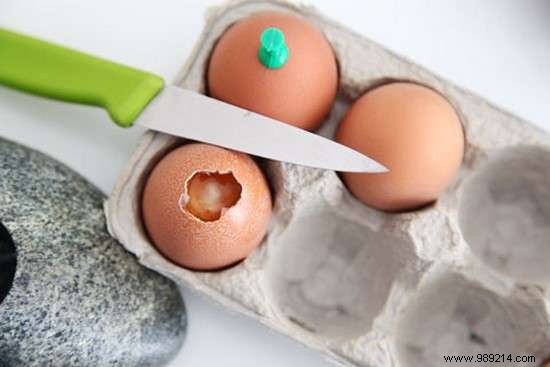
Carefully cut the shell at about one-third height using a sharp or serrated knife. Go slowly to avoid cracking the base. Pro Tip: Serrated edges make clean cuts easier.
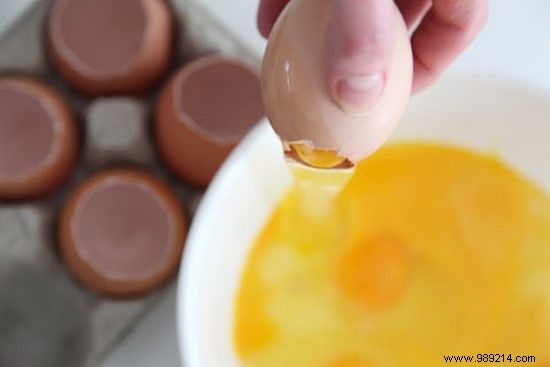
Pour raw egg into a bowl for cooking—omelets or scrambles are ideal, with no waste.
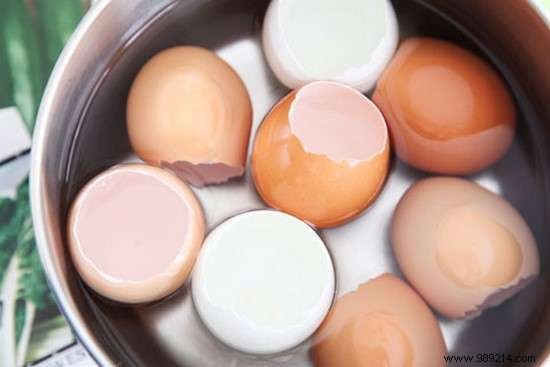
Rinse shells, then boil in a saucepan for 3 minutes to eliminate bacteria.
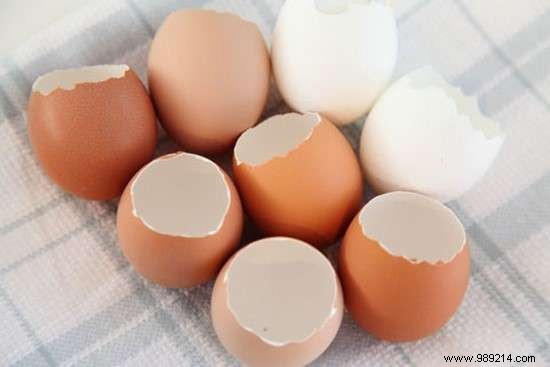
Remove any debris and air-dry completely.
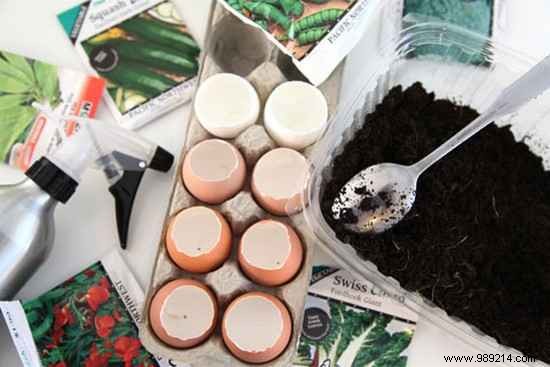
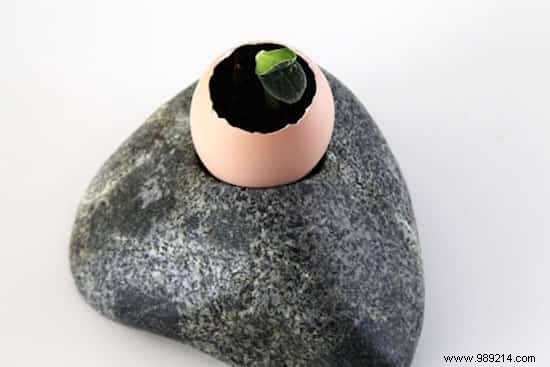
Place shells in an egg carton for stability. Get creative with decorations if desired.
Fill each shell to two-thirds with potting soil.
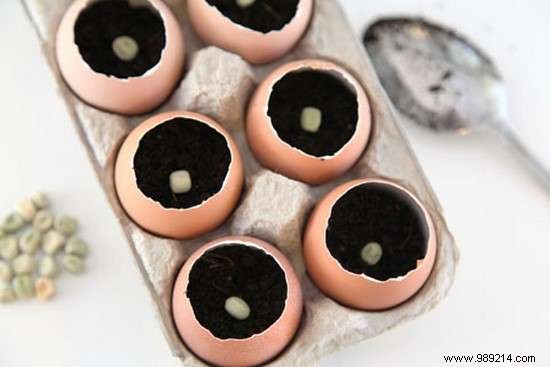
Plant one seed per shell at the depth specified on the packet, noting germination times.
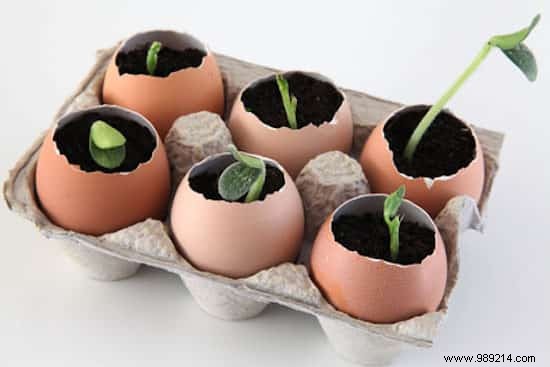
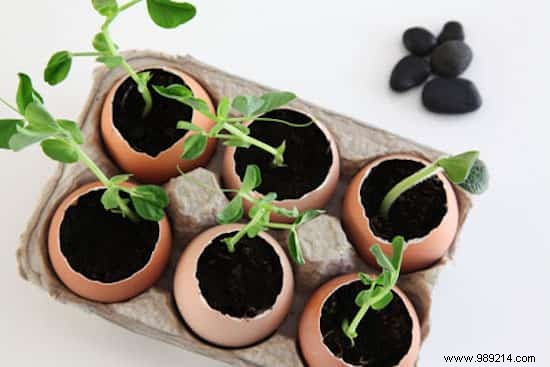
Place in a warm, sunny spot. Keep soil moist with a spray bottle—avoid overwatering.
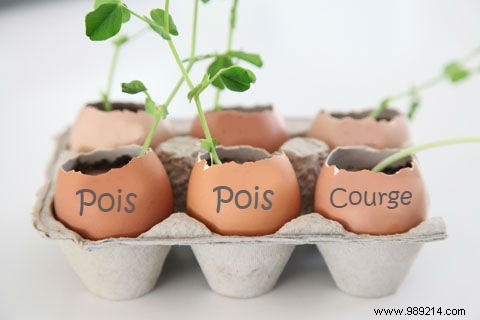
Write plant names on shells with a marker. Kids can decorate safely.
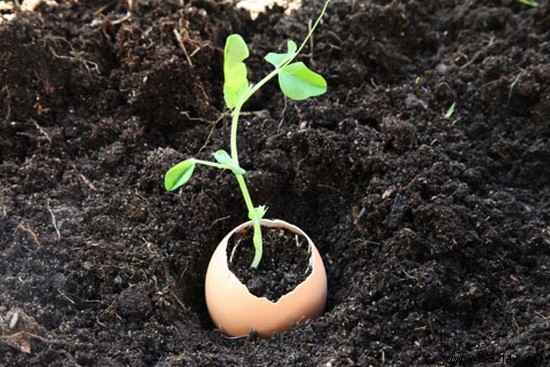
When sturdy and weather permits, plant shells in tilled soil, gently crushing the base for root growth. Caution: Wait until mid-April in mild regions like southern France or late May in cooler areas to avoid frost damage.
