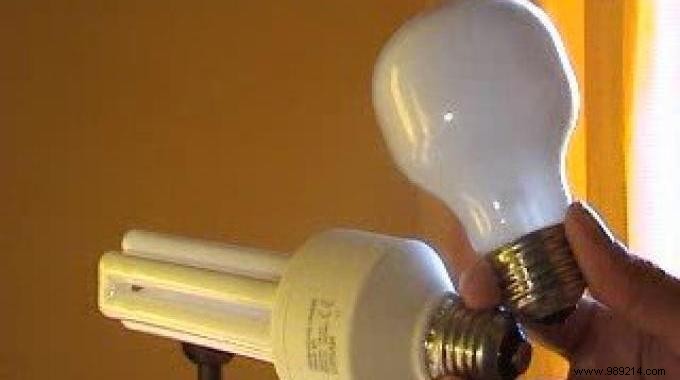
Switching to energy-efficient light bulbs can dramatically lower your electricity bills while providing the right illumination for each space.
However, the key is selecting the appropriate wattage for every room to maximize effectiveness and savings.
Traditional incandescent bulbs vary in power by room type, and their low-energy equivalents—like CFLs or LEDs—require careful matching.
In my years of optimizing home lighting, I've relied on this proven wattage guide to choose bulbs wisely before purchasing.

Classic Bulb / Energy-Efficient Equivalent
Entrance: 60-75W / 9-25W
Living Room, Reading: 100-200W / 9-25W
Living Room, Meals: 60-150W / 9-25W
Living Room, TV: 40W / 5-9W
Office, General: 40-100W / 7-25W
Office, Working: 75-100W / 11-25W
Bedroom, Bedside: 40-100W / 7-25W
Bedroom, Gaming: 40-100W / 9-25W
Kitchen: 75-150W / 7-25W
Bathroom: 40-75W / 7-18W
Toilets: 40-60W / 9-15W
Follow this guide, and you'll achieve substantial savings with properly matched energy-efficient bulbs.
Now you can select the ideal light intensity for every room—no more guesswork.
Dim corridors don't need bright lights, but dining areas do. Tailoring intensity ensures optimal efficiency and real-world savings.
Using this table in my own home has helped me cut electricity use by choosing bulbs perfectly suited to each area's needs.
No more overpowered bulbs wasting energy. It's a simple, effective way to live more thriftily.
Note that some energy-efficient bulbs, like CFLs, take a moment to reach full brightness. For high-traffic areas like entrances, I sometimes stick with instant-on incandescents to avoid leaving lights on longer than necessary for clear visibility.
