Just a few years ago, a basic home Wi-Fi router handled a couple of laptops and phones. Today, everything from smart TVs and tablets to IoT devices demands seamless connectivity. Traditional routers and extenders often fall short, creating dead zones and frustrating handoffs between networks. Enter mesh Wi-Fi systems—the game-changer for whole-home coverage.
In this in-depth comparison, we'll break down three top mesh systems: Eero, Google WiFi, and Orbi. Drawing from hands-on tests, expert reviews from CNET, The Verge, and Business Insider, and years of networking experience, we'll help you choose the right one for your home.
Unlike a single router, which broadcasts from one spot, or extenders that repeat signals (often halving speeds and requiring SSID switches), mesh systems use multiple nodes that communicate intelligently. Connect one to your modem, place others strategically, and enjoy unified coverage with automatic band steering, app-based controls, and over-the-air updates—no more dead spots or manual tweaks.
Launched in 2016, Eero pioneered user-friendly mesh. Each compact unit (1.3 x 4.75 inches) covers up to 1,000 sq ft. Add one per 1,000 sq ft for larger homes.
Setup is effortless via iOS/Android app: Bluetooth pairs the primary unit; others join seamlessly. Customize SSID/password, schedule pauses (kid-friendly), and monitor via cloud-connected diagnostics.
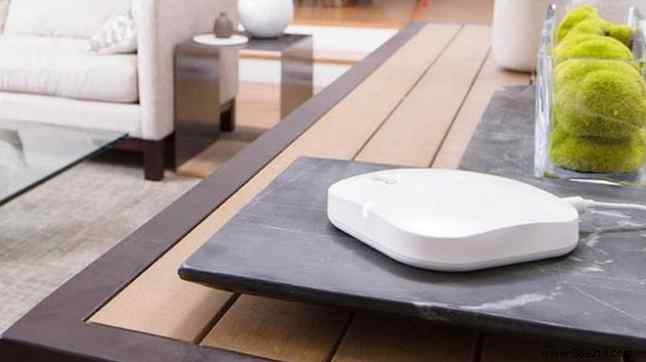
Eero's TrueMesh tech dynamically routes data around interference on 2.4GHz and 5GHz bands. It integrates with Amazon Alexa for voice commands like pausing internet.
Reviewers praise Eero's design and setup but note its premium cost. CNET: "Well-designed hardware, easy expansion, but pricey and server-dependent." Business Insider: "Strong, fast WiFi everywhere—worth the splurge."
eero Home WiFi System (3-Pack) - 1st Gen, 2016 Buy Now on Amazon $379.95
Pricing: 3-pack $499; 2-pack $349; single $199.
Debuting late 2016, Google WiFi offers tiny units (4.17 x 4.17 x 2.7 inches) covering 1,500 sq ft each. Dual-band (2.4/5GHz) with app controls for prioritization, pausing devices, and password sharing.
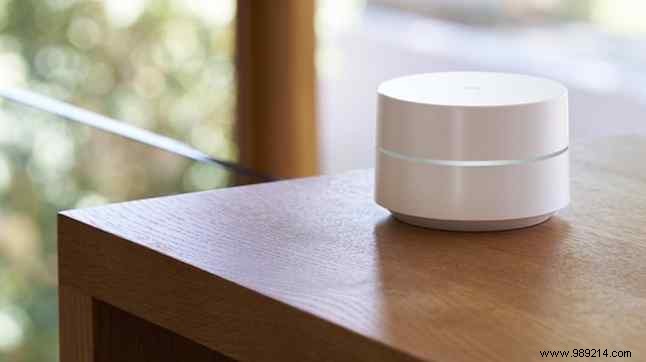
Google's cloud integration enables 24/7 optimization, though privacy-conscious users may hesitate.
The Verge: "Balances price, performance, and ease." CNET: "Best overall, but always-connected to Google." A steal at lower cost.
Google WiFi System 3-Pack Buy Now on Amazon $249.00
Pricing: Single $129; 3-pack $299.
Netgear's Orbi (2016) delivers tri-band speed. Router + satellite cover 4,000 sq ft; units measure 6.67 x 2.36 x 8.89 inches. Dedicated backhaul between nodes preserves speeds.
App-guided setup is solid, though less polished than rivals. Netgear claims superior bandwidth scaling.
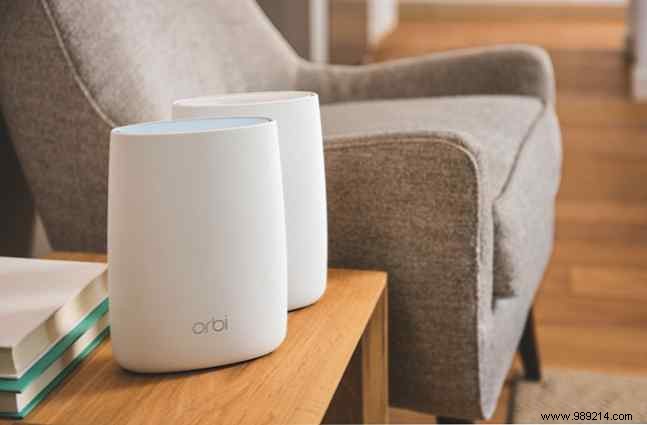
Business Insider: Matches Eero in real-world use, excels in downloads. Wirecutter: "Fastest, easiest setup." Downsides: Bulkier design.
NETGEAR Orbi AC3000 (RBK50) Buy Now on Amazon (Price too low to display)
Pricing: Starter kit $399; satellites $250.
All three excel in reliability. Eero and Google WiFi win on simplicity; Orbi on range/power. Google WiFi suits most budgets; Orbi larger homes; Eero premium polish. Check Amazon for deals.
Bottom line: Any eliminates dead zones. Share your setup in comments!
