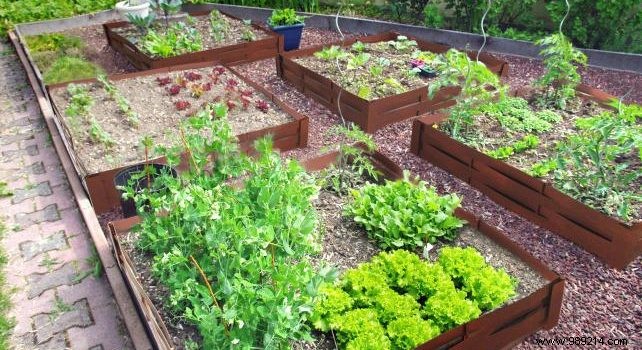
Growing your own vegetables and fruits offers unmatched satisfaction and fresh, homegrown produce. Success in creating a beautiful vegetable garden requires careful planning—nothing should be left to chance. Key steps include selecting the right site and plants. As seasoned gardeners know, here's a proven approach:
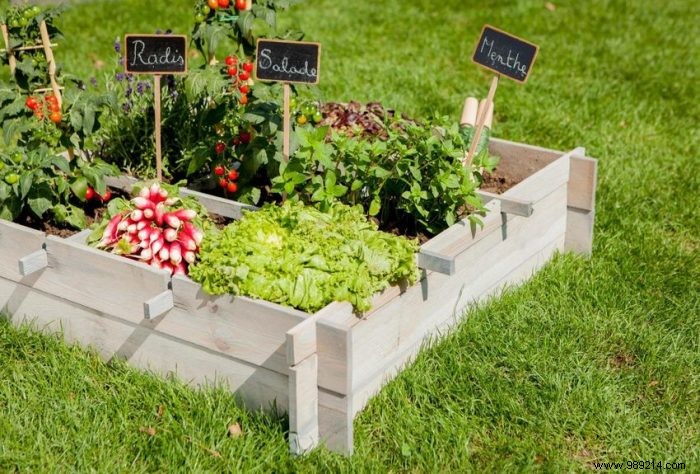
Selecting vegetables can be overwhelming amid countless varieties. Start with what you enjoy eating—if salads are a staple, plant lettuces. Focus on crops suited to your local climate; tropical options like mangoes simply won't thrive in temperate regions.
Research varieties that perform well in your area to prevent setbacks. Prioritize plants yielding multiple harvests annually for continuous fresh produce, ensuring your garden delivers fruits, vegetables, and legumes year-round.
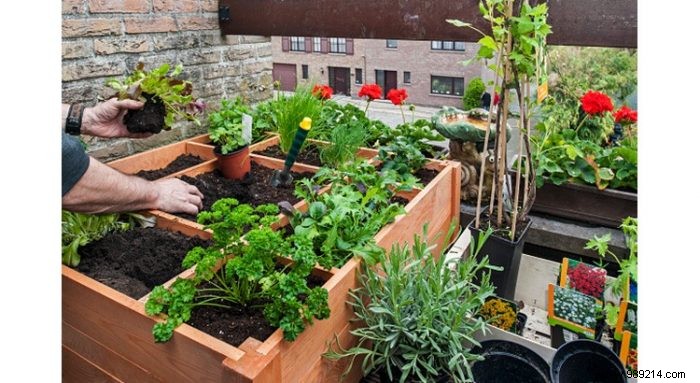
Most vegetables require ample sunlight for photosynthesis, so avoid shaded spots where trees or buildings block rays. Choose fertile, well-draining soil—test by observing after heavy rain; puddles signal poor drainage.
Opt for level ground free of rocks or heavy sand. If native soil is suboptimal, select resilient plants or create custom potting mix for containers. Pots offer flexibility for peppers, tomatoes, and more, fitting terraces, balconies, or patios effortlessly.
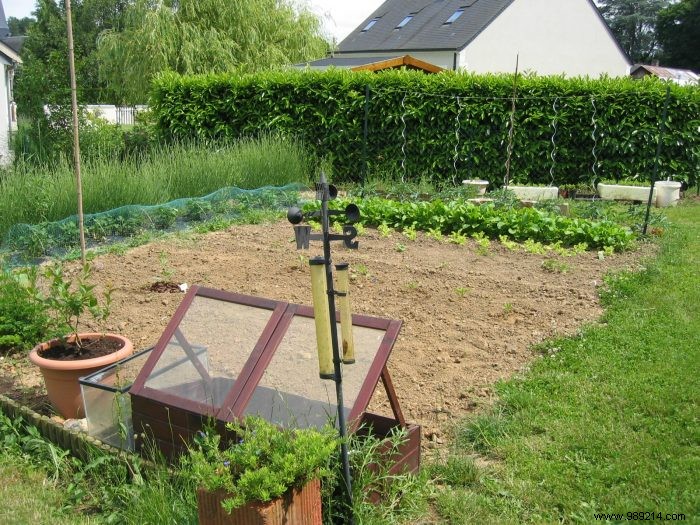
A productive vegetable garden demands meticulous preparation. Choose fertilizers wisely to boost growth—options range from synthetic to fully organic, available at garden centers. For eco-friendly results, DIY compost from leaves and yard waste works wonders.
Account for wind exposure; protect sensitive plants with fences or windbreaks. Tailor soil prep to each crop's sun and watering needs. Finally, apply insect repellents early to safeguard against pests—essential for healthy yields.
