Struggling to find low-maintenance plants that thrive without constant watering? As seasoned gardening professionals, we've got you covered.
Landscaper Chris Lambton and botanist Christy Dailey highlight the top drought-tolerant varieties that add beauty to your garden while saving water and effort.

These eight resilient plants simplify gardening and promote water conservation. Here's why they excel with minimal care:
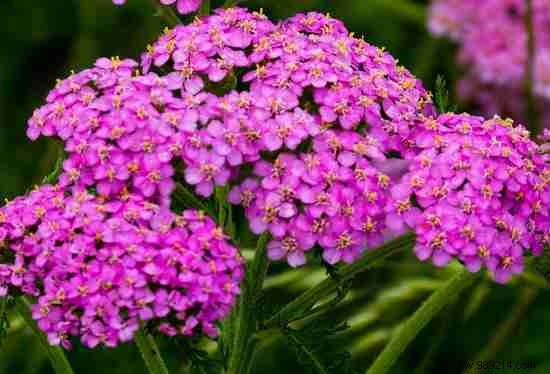
"This plant blooms vibrantly from May through June, offering pinks, purples, and yellows to brighten ornamental gardens," notes professional landscaper Chris Lambton.
Pair it with early-spring bloomers like tulips or late-summer varieties for seamless color transitions. Yarrow excels in warm conditions and high altitudes.
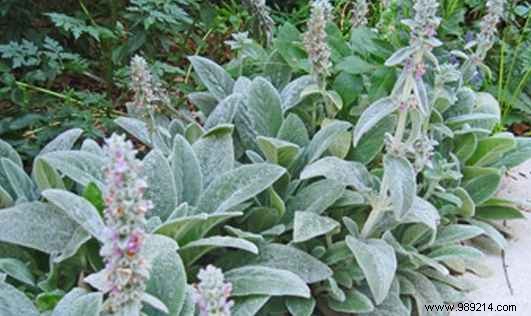
Also known as bear's or rabbit's ears, this herbaceous perennial boasts a distinctive fuzzy, velvety texture.
"Plant it in semi-shade," advises Lambton. Ideal for dry climates, it dislikes heat and humidity.
In cold winters, it may die back but reliably returns in spring. It spreads vigorously, so prune regularly and site it thoughtfully.
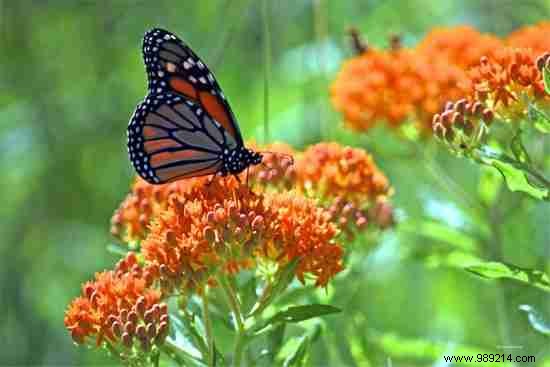
"It produces striking orange flower clusters that draw butterflies, especially monarchs," says botanical expert Christy Dailey.
This perennial favors sandy, well-drained soil, blooms from May to September, and demands no ongoing maintenance.
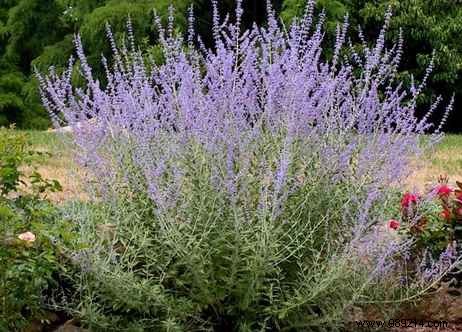
"Long, aromatic stems bear lovely purple flowers adored by bees and butterflies," recalls Dailey.
Blooming from late spring to October, it grows 60 cm to 1 m tall, thrives in full sun, and withstands cold and wind.
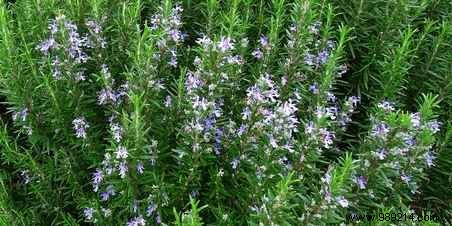
Beautiful and edible, rosemary is a garden staple. "As an evergreen, prune regularly for shape and harvest for cooking," Lambton recommends.
It loves full sun and dry conditions, perennial in warm climates. In cooler areas, pot it for indoor winter protection or use frost cloth—it handles light freezes well.
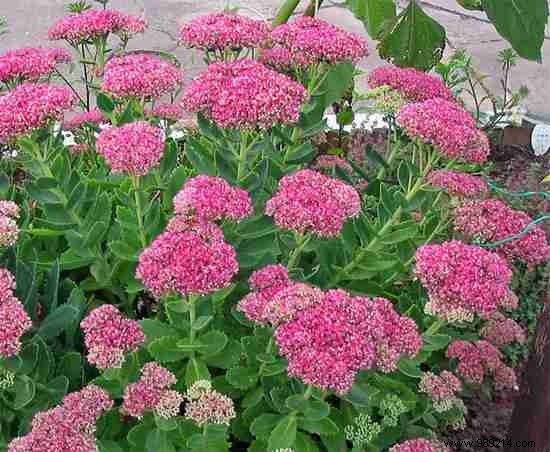
Its succulent leaves store water for drought tolerance. "Varieties range from upright to low-creeping, with vivid pink, lime green, and more," Dailey explains.
They flourish in fast-draining soils.
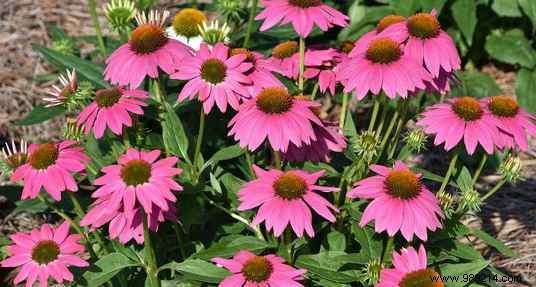
Native to central U.S., this plant features bold purple flowers and serves as a natural remedy for colds.
It handles full sun and dry soil effortlessly, though a mid-summer drink helps during prolonged dry spells.
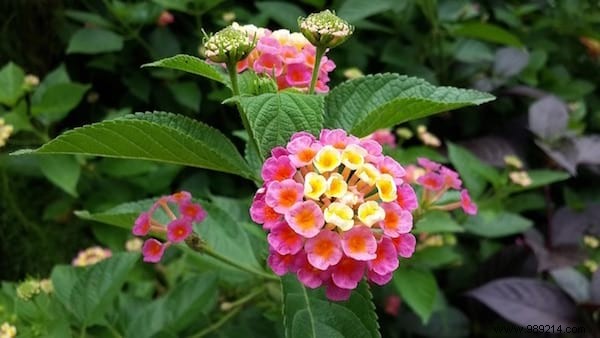
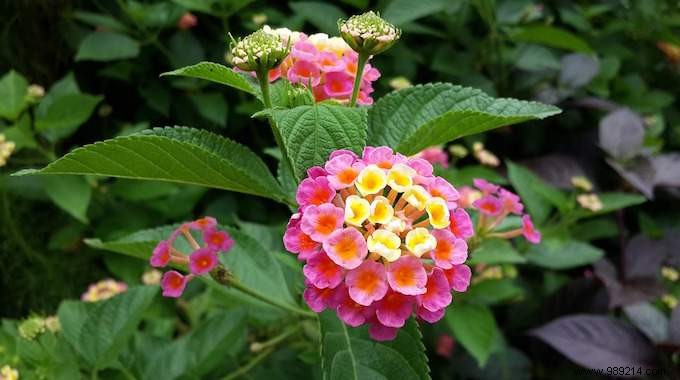
With 150 species from tropical South America and Africa, lantana adapts widely. "Colors shift through blooming for multicolored displays all season," Lambton says.
Water frequently at planting, then just weekly once established.
