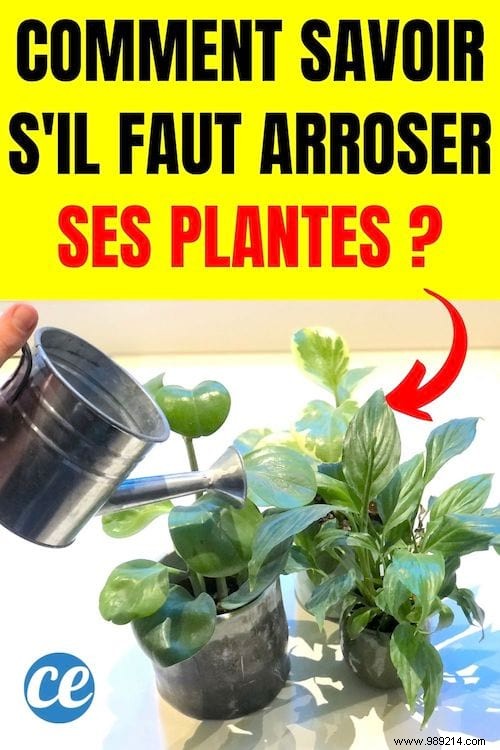
Determining if your houseplants need water can be tricky—especially in winter when their needs change. Overwatering or underwatering often leads to stressed plants. As someone who's relied on advice from professional florists for years, I've used these 7 proven methods to keep my indoor greenery thriving. Here's how:
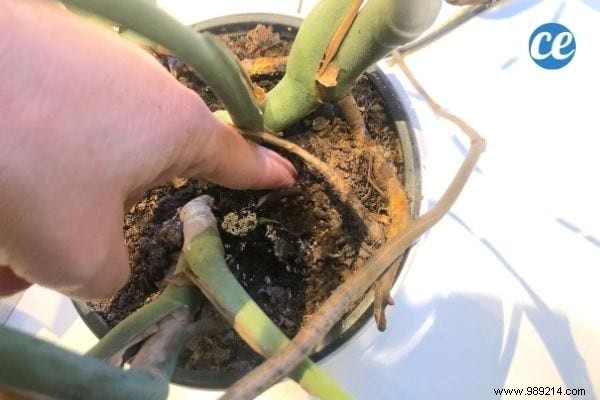
This straightforward technique is a florist's favorite for checking soil moisture. Simply insert your finger 3-4 cm (about 1-1.5 inches) into the soil. If it feels dry throughout, it's time to water. Surface dryness can be misleading, so go deep enough. Ideal for smaller pots, but take care not to damage roots. For larger pots, try the next method.
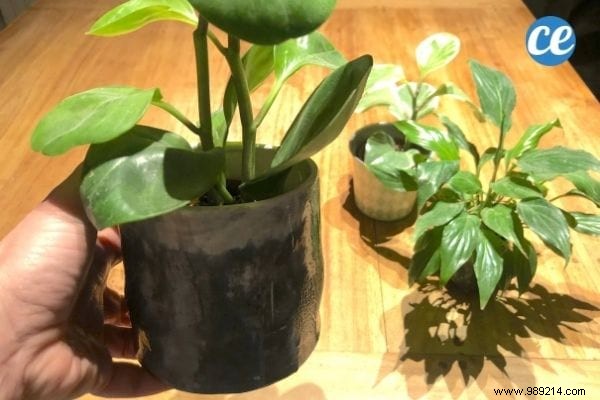
Lifting pots might seem odd, but it reliably reveals moisture levels. A heavy pot means the soil is still moist; a light one signals dryness. Note the weight right after watering to establish a baseline—over time, you'll intuitively know when to water. For big pots, a gentle tilt works too. Practice makes perfect.
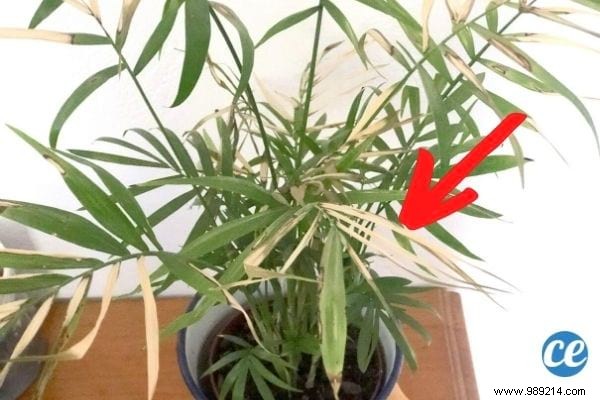
Every plant has unique needs, so daily check-ins are key. Watch for thirst signals like drooping or soft leaves, yellowing or browning foliage, dried tips, wilting flowers, or sagging stems. Early detection lets you water promptly and prevent issues. This habit builds your expertise with your specific plants.
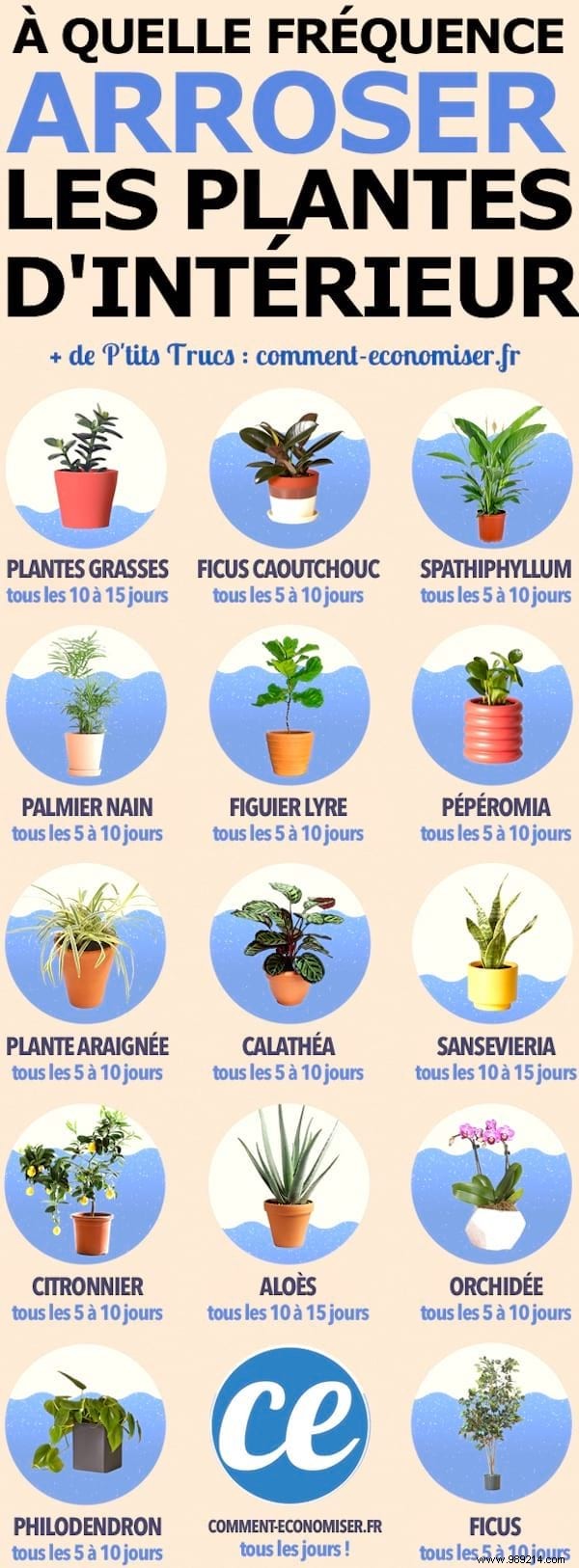
Watering frequency varies: some plants need it weekly, others biweekly; some prefer moist soil, others dry. Use a simple guide for species like ficus, aloe vera, or orchids to establish routines. Reduce frequency in fall and winter during dormancy, when growth slows and needs drop.
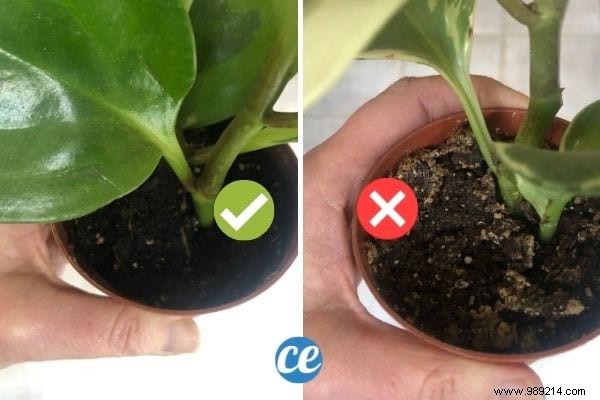
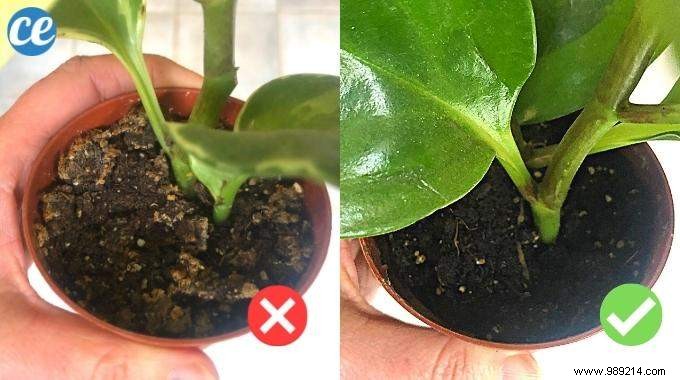
Wet soil appears darker than dry soil—a quick visual cue. Light brown means dry; dark means moist. Great for moisture-loving plants like ferns, but less reliable for drought-tolerant ones like cacti, succulents, or ficus, where deeper checks matter to avoid root rot. Pair with a finger test for accuracy.
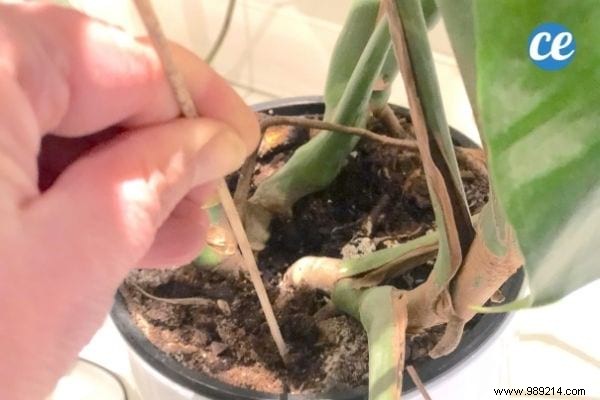
For deeper pots, grab a clean, untreated wooden stick (skewer, chopstick, or popsicle stick). Insert it several inches into the soil, avoiding roots—mark the depth with a pen. Wait 1-2 minutes, then pull it out. A dark, wet mark means moist soil (no water needed); a faint or absent mark signals time to water.
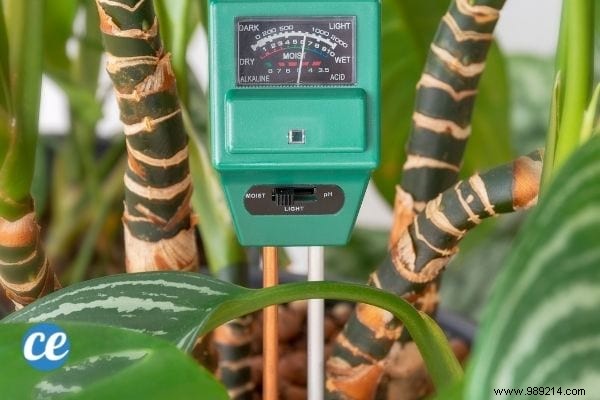
These affordable soil hygrometers provide precise readings. Just insert the probe into the potting mix for an instant moisture level. Perfect for tech-savvy plant parents wanting foolproof accuracy beyond manual checks.
