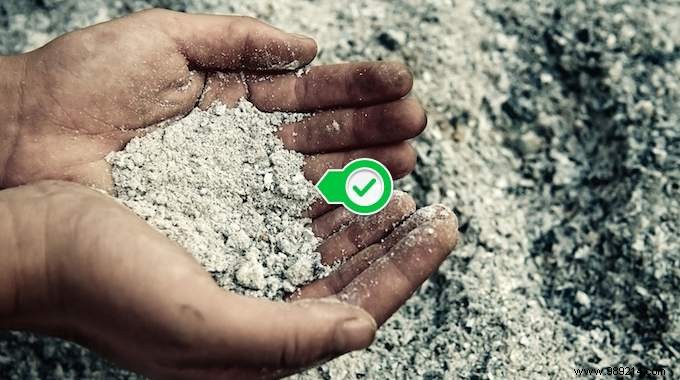
If you have a fireplace or wood-burning stove, you produce wood ash. But what should you do with the buildup?
Wood ash offers surprising benefits for both home and garden use.
Each cubic meter of firewood burned yields about 9 kg of ash.
Above all, don't discard it! Here are 5 practical ways to use it effectively at home and in the garden. See below:

Wood ash is rich in calcium, potassium, and trace elements essential for plant health.
It serves as a natural lime substitute to raise pH in acidic soils.
Unlike limestone, which can take up to 6 months to adjust soil pH, wood ash is water-soluble and works quickly.
Always test your soil first (a simple white vinegar test can indicate acidity). If acidic, spread ash evenly around the garden.
If you typically use lime or crushed limestone, apply twice as much wood ash by volume.
Avoid acid-loving plants like blueberries, rhododendrons, azaleas, and holly.
For optimal soil pH of 6 to 6.5—ideal for most lawns and garden plants—use up to 7.5 kg of ash (about a 20-liter bucket) per 90 m².
Apply in dry, windless conditions, mix into the soil before planting, and rinse any ash from plant leaves with water to prevent burns.
To discover: Moss on the Lawn: The Trick to Get Rid of It Effortlessly.
Lightly dust plant edges with ash. It irritates slugs' moist bodies, driving them away.
Note: The repellent effect fades after rain or watering dissolves the ash. Reapply as needed.
To discover: 13 Natural Tricks Against Slugs That Really Work.
Sprinkle wood ash on paths and driveways to melt ice and provide superior traction for vehicles and foot traffic.
It's less potent than salt but has key advantages: it's free, pet-safe, and won't damage paved surfaces.
Hard to believe, but wood ash excels at cutting through grease.
Use it to polish glasses, silverware, grills, glass stovetops, and remove sticker residue.
Dip a damp cloth in ash or make a thick paste with water, rub gently, and rinse clean.
Got a grease spot? Sprinkle ash on oil or grease on stone, cement, or asphalt floors.
Scrub vigorously with a brush. Repeat if needed, or add baking soda for extra power to reduce or eliminate stains.
Over 5,000 years ago, ancestors made lye for laundry by pouring water over wood ash. They combined it with animal fat to create soap—a recipe you can recreate today.
Great-grandparents used it to scrub wooden floors and sheets, depilate slaughtered pigs, and craft glazes for pottery.
These methods may seem outdated, but I've tested ash-based laundry myself—it's simple, cost-free, and effective. Check my full review.
Wear eye protection, gloves, and a dust mask when handling ash.
Exercise vigilance and common sense. Store in a lidded metal or concrete container away from flammables.
Even cold-looking ashes can harbor embers for days or weeks.
