
Rose bushes are delicate and can struggle in harsh winters, especially depending on your climate. Garden centers push expensive protections, but natural methods work best without breaking the bank. These straightforward, expert-recommended tips safeguard any rose variety through the coldest months. Here's how:
 Contents
 Before applying protection, deadhead faded blooms and prune overly tall stems. Stop fertilizing 2 months before the first frosts to avoid new growth in cold weather.
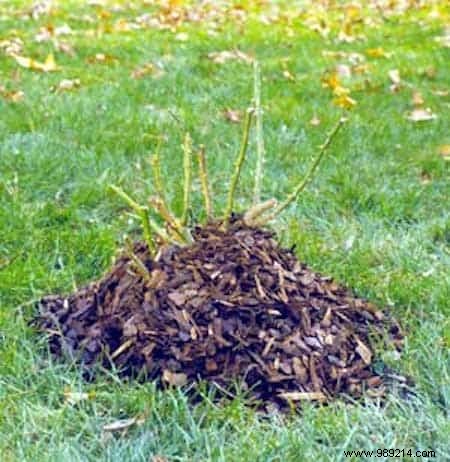
Just before the first frost, spread wood chips, shredded bark, or chopped leaves around the base. In milder winters, a 10 cm mulch layer suffices to insulate the soil against freeze-thaw cycles. This is crucial without snow cover.
In colder areas where temps drop below freezing, build up the mulch mound gradually after each frost until it nearly covers the bush.
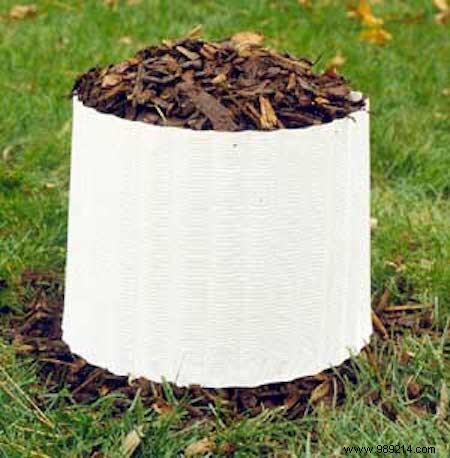
Hybrid teas or newly transplanted roses are most at risk—reinforce with cardboard or plastic bottles filled with mulch for extra solidity.
What you'll need:
- Stakes
- Burlap
- String
- Organic mulch
Step 1: Drive 4 stakes into the ground around the trunk, close to the roots.
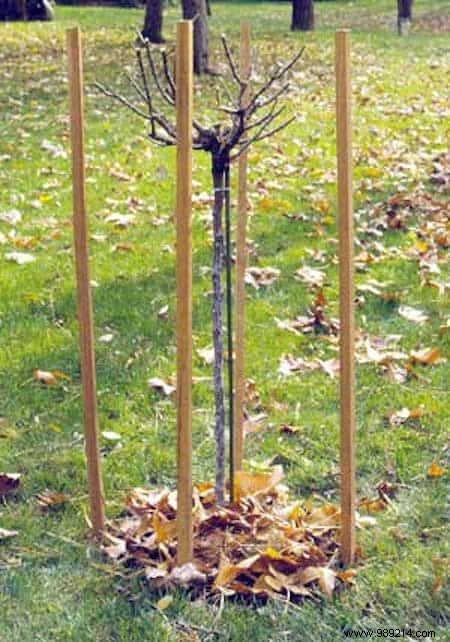
Step 2: Wrap burlap around the stakes, secure with twine to form a windproof barrier, then pack the center with dry shredded leaves for insulation.
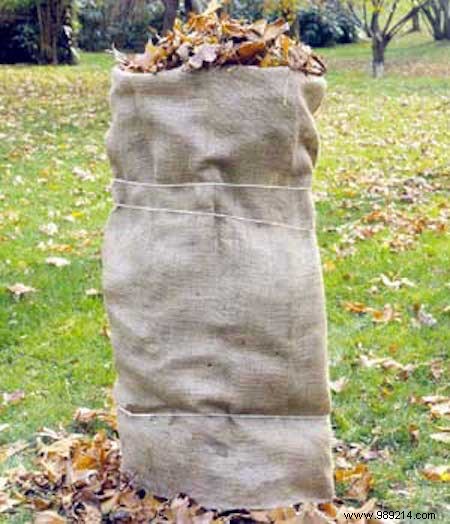
Climbing roses face fierce winter winds. In frosty regions, wrap canes in burlap or detach from trellises and lay flat on the ground. Cover with leaves, wood chips, or soil mulch.
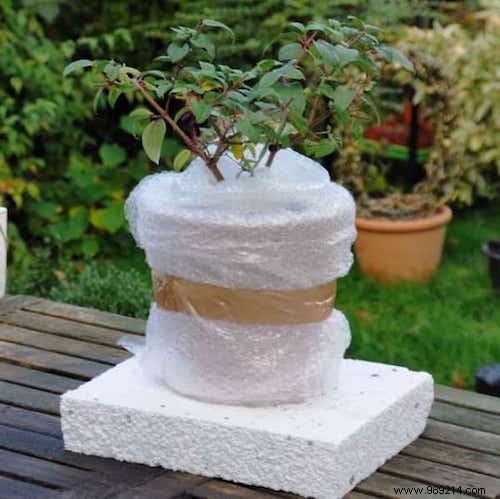
Wrap pots in burlap or bubble wrap for insulation, mulch the base, and add a polystyrene sheet underneath in areas with persistent freezes.
Your roses are now fortified against winter! Add extra mulch after heavy frosts, and let snow act as a natural blanket. For year-round color, consider frost-tolerant flowers too.
