
A thriving rose garden starts with proper maintenance. To create a harmonious landscape, regular pruning is essential—it prevents overcrowding, promotes strong growth, and enhances disease resistance. Pruning also shapes roses into elegant forms that delight the eye. As seasoned horticulturists, we've compiled proven tips for effective rose pruning.
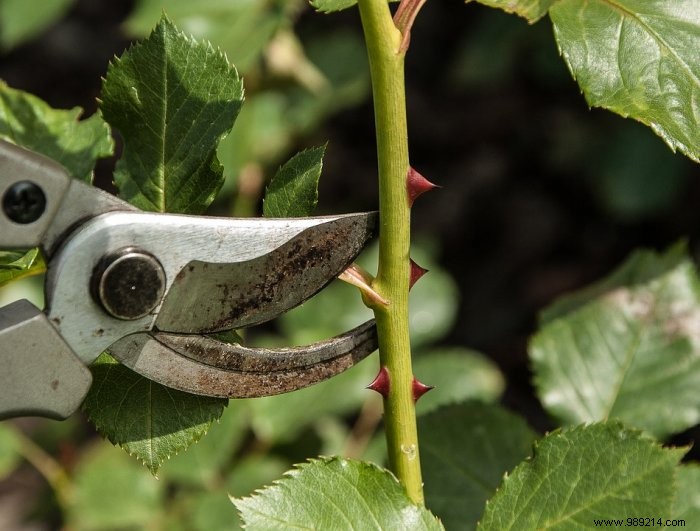
To prune roses without harming the plant, identify branches that need removal. Clear the plant's center to improve airflow and reduce risks from diseases or pests, making maintenance easier.
Remove crossing branches to prevent rubbing and damage. Focus on the 'eyes'—buds where new growth emerges. Always cut just above an outward-facing eye to encourage an open, vase-like structure.

Aim for cuts that slope outward from the bud, directing water away and preventing rot. Choose sharp, high-quality pruners to ensure clean cuts that heal quickly.
Before pruning, disinfect tools with alcohol to avoid spreading diseases across plants. Dull blades cause jagged cuts that invite infection—keep yours razor-sharp for best results.

Prune these vigorously in late winter to early spring (March to early June) for robust regrowth. Shorten lateral branches while leaving main axial stems intact.
These spread outward, so retain about five strong branches and spare young shoots. Wait until after the last frost—late February to April—for pruning.
Prune in March, keeping vigorous branches with potential for blooms (3-5 eyes per stem). Remove old, weak growth to maintain compactness and vigor.
